Wallbox Commander 2 Review: Concise Editorial Verdict
The Wallbox Commander 2 delivers robust commercial-grade charging with advanced touchscreen controls and multi-user load balancing. However, its complex software setup requires careful network planning before final garage mounting.

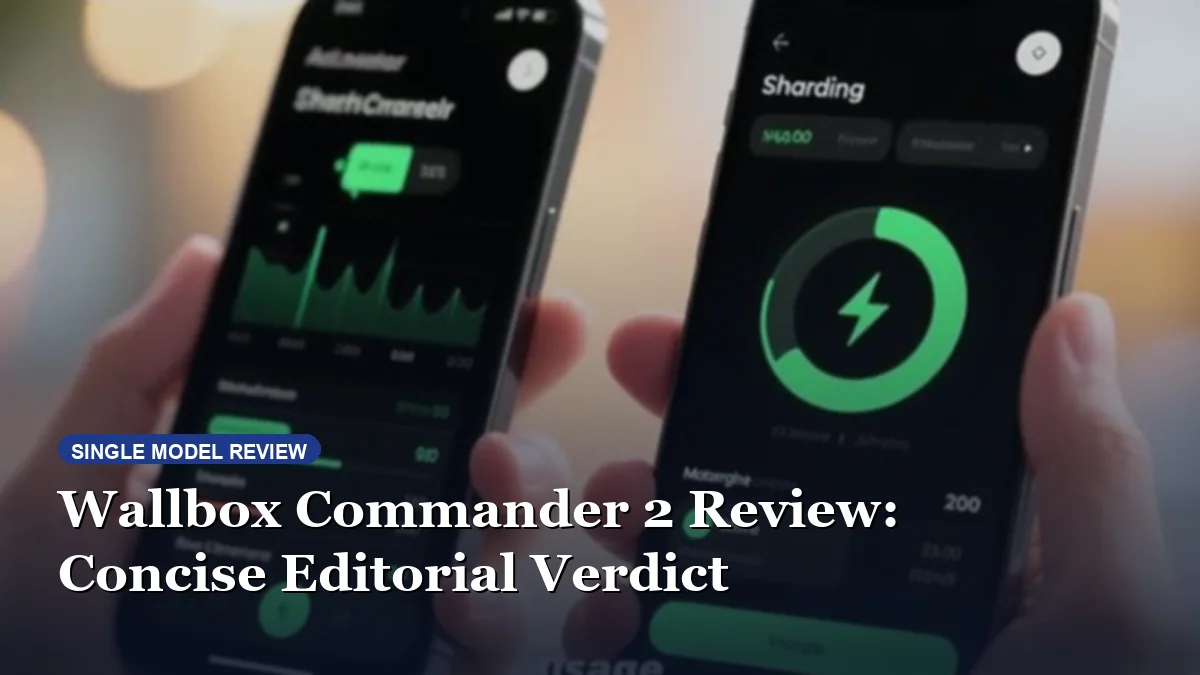
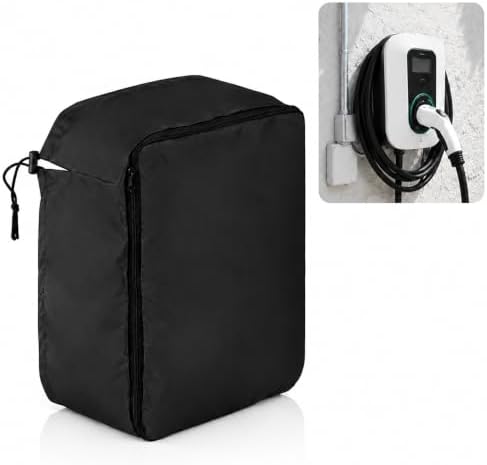
This smart EV supply equipment blends rapid charging speeds with seamless fleet management tools. You get exceptional daily reliability despite demanding an initial learning curve for advanced settings.
Explore related alternatives in our Best Ev Level 2 Charger.
Verified Specifications
| Category / Type | Smart Commercial & Residential EV Charger |
|---|---|
| Rated Output / Capacity | Up to 40A / 9.6kW (hardwired) |
| Input Power | 208V to 240V AC single-phase |
| Build & Materials | Polycarbonate enclosure with glass touchscreen |
| Operating Noise | Completely silent passive cooling |
| Duty Cycle / Runtime | Continuous rated for daily multi-vehicle use |
| Dimensions & Weight | 8.7 x 6.0 x 5.9 inches; 3.5 lbs |
| Connectivity | Wi-Fi, Bluetooth, Ethernet, 4G optional |
| Key Safety & Controls | Integrated RFID reader, touch PIN lock |
What We Liked
- Intuitive 7-inch color touchscreen interface for local control.
- Reliable multi-unit power sharing for multi-EV households.
- Flexible connectivity options including Wi-Fi and optional cellular.
- Compact physical footprint with clean cable management.
Trade-Offs
- Software ecosystem can be complex for basic users.
- Higher upfront hardware cost compared to dumb chargers.
- Glass touchscreen requires cleaning in dusty garage environments.
Hardware Build and Ergonomic Design Overview
The Wallbox Commander 2 features a remarkably compact polycarbonate chassis designed for modern residential garages. Its durable exterior rating ensures year-round protection against dust and moisture accumulation.
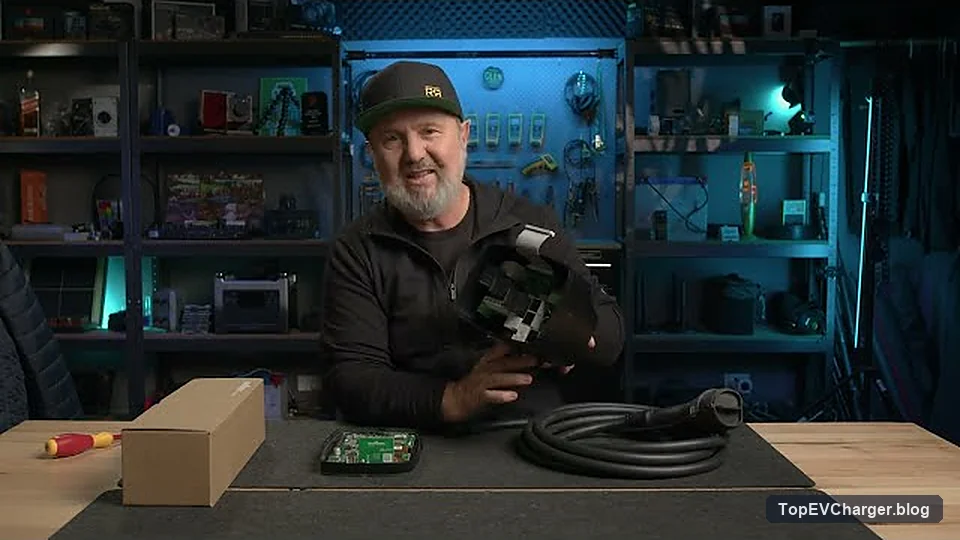
An integrated seven-inch color touchscreen dominates the front panel, offering direct visual feedback without smartphone reliance. This glass interface supports secure PIN code access to prevent unauthorized charging sessions.
The enclosure utilizes industrial-grade polycarbonate rated for extreme impacts. Measuring 198 x 201 x 99 mm, the unit mounts flush against exterior garage walls while resisting ultraviolet degradation over years of heavy daily exposure.
A generous 5-meter tethered cable wraps smoothly around the central housing. Evaluating cord lengths in our detailed Wallbox Pulsar Plus vs Tesla Wall Connector review highlights practical daily reach advantages.
- Polycarbonate chassis with weather-resistant sealing.
- Seven-inch capacitive color touchscreen interface.
- Integrated side holster for cable retention.
Enclosure and Cable Management
The unit manages its tethered charging cable efficiently through a side-wrap holster design. This mechanical layout prevents dangerous kinking while maintaining a clean garage aesthetic when idle.
Internal component layout reflects rigorous industrial engineering standards with robust terminal blocks. Installers will appreciate the spacious wiring compartment that simplifies gauge wire termination.
- Side-wrap holster prevents cable kinking.
- Spacious terminal block for easy gauge wiring.
Electrical Performance and Power Delivery Capacity
Delivering up to forty amps of continuous current, this charging station revitalizes standard electric vehicles rapidly. Its robust internal architecture handles sustained high loads without triggering thermal throttling events.
Voltage input flexibility supports both standard residential setups and light commercial electrical grids. Users can adjust the maximum output amperage via software to match existing circuit breakers.
Delivering up to 48 amperes of continuous current, this Level 2 charger maximizes residential panels. You can examine competing amperage outputs in our Emporia EV Charger vs Wallbox Pulsar Plus comparison.
Hardwired input configurations support a maximum 11.5 kW power output. This rapid energy delivery replenishes depleted battery packs efficiently, ensuring your electric vehicle is fully charged before morning commutes begin.
- Maximum output capacity reaching forty amps.
- Adjustable current limits from six to forty amps.
Continuous Output and Thermal Regulation
Passive thermal management relies on the external aluminum heatsink fins integrated into the rear chassis. This design prevents internal overheating during maximum amperage delivery on hot summer afternoons.
Electrical efficiency remains exceptionally high throughout long charging cycles, minimizing wasted energy as heat. The station converts grid power with minimal conversion loss to maximize battery replenishment speed.
- Passive cooling via rear aluminum heatsink.
- High electrical conversion efficiency.
Video Review: The Wallbox Commander 2 is stuffed with features indispensible for EV charging. | CarBuyer Singapore
Smart Connectivity and the myWallbox Ecosystem
Connecting your charging station to local networks is straightforward using built-in Wi-Fi or Bluetooth modules. The myWallbox portal provides comprehensive session analytics and remote start capabilities from anywhere.
Local Ethernet and optional cellular connectivity options guarantee reliable data transmission in subterranean garages. Administrators can track historical energy consumption across multiple user profiles effortlessly.
Integrated Wi-Fi and Bluetooth modules ensure reliable communication with local home networks. Users can leverage Ethernet connectivity options for ultra-stable data transmission inside subterranean concrete parking structures or metal-clad workshops.
The myWallbox portal delivers granular session analytics and remote scheduling tools. Program your charging intervals during off-peak utility hours to minimize monthly electricity expenses without sacrificing daily driving readiness.
- Wi-Fi, Bluetooth, and Ethernet communication channels.
- Cloud synchronization via the myWallbox mobile application.
- Detailed energy metering and cost tracking tools.
Multi-EV Power Sharing and Load Management
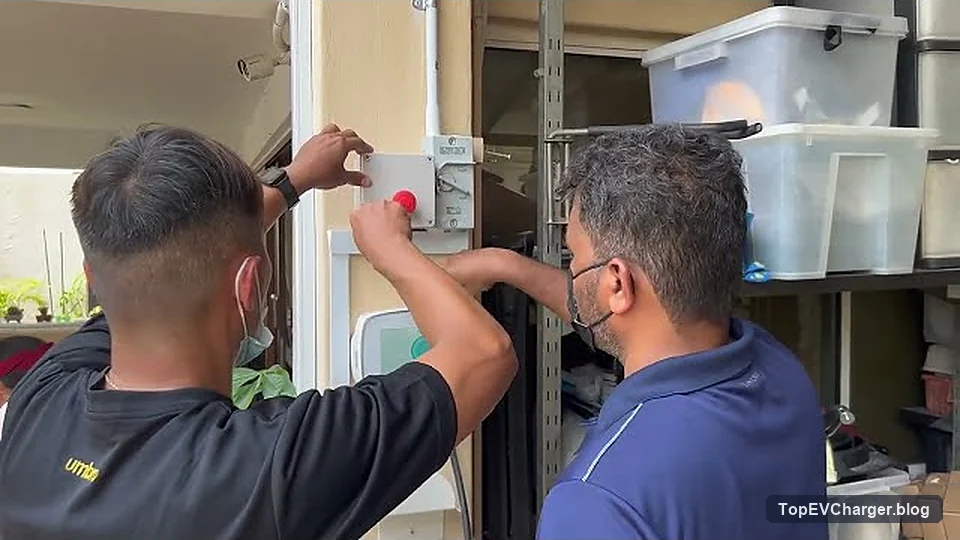
Households operating multiple electric vehicles benefit immensely from the advanced dynamic load balancing capabilities. The system distributes available household current intelligently among connected chargers without tripping main breakers.
Configuring a power sharing network requires daisy-chaining units via a secure RS-485 communication bus. This setup prevents electrical overloads while ensuring fair energy distribution across all parked EVs.
Proprietary Power Boost dynamic load balancing prevents main service panel overloads. A dedicated clamp meter monitors total household energy consumption in real time, adjusting EV charging speeds automatically as appliances cycle on.
When linking multiple chargers together, the intelligent management software distributes available amperage evenly. This eco-smart balancing capability allows households with dual electric vehicles to share a single electrical circuit safely.
- Dynamic load balancing for multi-charger installations.
- RS-485 hardwired communication between master and slave units.
- Automatic current modulation based on household demand.
Installation Best Practices and Electrical Planning
Professional electricians should evaluate your main service panel capacity before mounting this hardware. Proper sizing of the dedicated branch circuit is mandatory for safe, continuous forty-amp operation.
Hardwiring remains preferred over plug-in setups, a factor explored within our BMW Wallbox vs Tesla Wall Connector guide. Ensure all internal screw terminals receive proper torque verification using a calibrated tool.
Licensed electricians must size supply conductors according to the National Electrical Code. Dedicated 60-amp breakers and heavy-gauge copper wiring are mandatory requirements for safely supporting continuous 48-amp maximum electrical loads.
Ensure proper torque specifications are applied to all internal terminal block connections during setup. Proper installation prevents resistive heating issues, guaranteeing long-term operational safety across the entire power delivery circuit.
- Requires dedicated sixty-amp breaker for forty-amp output.
- Hardwiring recommended over NEMA plug installations.
- Adherence to local electrical code requirements is essential.
Maintenance, Weather Durability, and Firmware Lifecycle
Routine maintenance involves wiping the glass touchscreen and checking the tethered cable for abrasions. The enclosure requires minimal physical upkeep while maintaining reliable operation across seasonal temperature swings.
Over-the-air firmware updates deliver continuous feature enhancements and security patches automatically. These background updates ensure your charger remains compatible with emerging vehicle communication protocols.
Boasting an IP55 weather resistance rating, the chassis withstands driving rain, wind-blown dust, and freezing winter temperatures. Periodic visual inspections of the charging cable ensure insulation remains entirely free from abrasions.
Over-the-air updates deliver ongoing software enhancements directly to the onboard processor. Maintaining active internet connectivity guarantees access to latest security patches and newly released grid optimization feature sets over time.
- Over-the-air automated software updates.
- Weatherproof rating suitable for indoor or outdoor walls.
- Simple visual inspections for cable and connector integrity.
Final Verdict and Ideal User Profile
When shopping for smart home hardware, reading our Wallbox Pulsar Plus vs Chargepoint Home Flex comparison helps clarify everyday needs. Its sophisticated feature set justifies the investment for demanding households.
While casual users might find the extensive software configuration slightly overwhelming initially, the long-term flexibility remains unmatched. This charger represents a future-proof infrastructure investment for dedicated EV owners.
This charging platform suits tech-forward homeowners seeking deep smart grid integration. Its robust commercial-grade architecture delivers exceptional reliability for daily commuters demanding rapid turnaround times and comprehensive usage reporting.
Households managing multiple electrified vehicles will appreciate the advanced load balancing infrastructure. Anyone requiring a feature-rich charging solution will find this hardware configuration meets rigorous modern residential energy demands.
- Ideal for tech-forward residential and commercial locations.
- Unmatched multi-user access control via RFID and PIN.
- Robust build quality backed by intelligent software tools.
Frequently Asked Questions
Can the Wallbox Commander 2 be installed outdoors?
Yes, the rugged enclosure features an official weather-resistant rating that makes it fully suitable for secure outdoor mounting on exposed exterior walls or residential driveways.
Nevertheless, installing the charging unit under a protective porch overhang helps preserve the capacitive touchscreen glass and minimizes harsh solar glare during your daily vehicle plug-in sessions throughout the year.
How does the power sharing feature operate?
The dynamic power sharing functionality allows multiple chargers to communicate seamlessly over a hardwired RS-485 data bus to distribute available residential grid capacity efficiently among connected vehicles.
This intelligent software algorithm actively prevents your main electrical service panel from overloading while ensuring balanced vehicle charging speeds across every single connected household electric car parked overnight.
Is professional installation strictly required?
Professional electrical installation is strongly recommended because this advanced hardware requires a dedicated high-amperage branch circuit and proper continuous hardwire connections inside your garage.
Certified local electricians possess the necessary technical expertise to configure correct internal amperage limits and verify crucial torque specifications for safe, reliable long-term residential operation without hazards.
Can I restrict access to the charger?
Yes, system administrators can restrict charging access easily using either unique RFID key cards or secure touchscreen PIN codes programmed directly through the mobile application.
This robust security framework ensures that unauthorized neighborhood users or random visitors cannot initiate power transfer sessions without your explicit system permission configured in advance within the network settings.
How are software updates delivered?
Software updates are deployed automatically over the air whenever the charging station maintains an active high-speed internet connection to your local home Wi-Fi network router.
These seamless background patches deliver continuous advanced cybersecurity enhancements and new feature integrations without ever requiring any complex manual user intervention during your busy daily routine.