Juicebox 32 Review: Technical Performance and Design Evaluation
This comprehensive evaluation inspects the Juicebox 32 engineering design, thermal management, and everyday electrical performance. It highlights key installation requirements and long-term durability metrics for residential EV owners.

The Juicebox 32 delivers robust mid-tier performance backed by smart software controls. Users should prioritize proper circuit sizing to fully leverage its consistent power delivery during extended daily commutes.
Explore related alternatives in our Best Ev Level 2 Charger.
Verified Specifications
| Input Power | 208-240 VAC, single phase |
|---|---|
| Max Output Current | 32 Amps |
| Max Output Power | 7.7 kW |
| Cable Length | 25 feet robust thermoplastic |
| Enclosure Rating | NEMA 4X weather-resistant |
| Connectivity | Wi-Fi 802.11 b/g/n |
| Mounting Type | Wall mount with bracket |
| Safety Certification | UL and ETL listed |
| Operating Temperature | -30°C to 50°C |
What We Liked
- Reliable 7.7 kW output capacity for overnight replenishment.
- Weatherproof NEMA 4X enclosure for indoor or outdoor placement.
- Flexible 25-foot cable accommodates tricky garage parking angles.
- Intuitive smartphone application integration for scheduling sessions.
- Robust safety protocols with integrated ground-fault protection.
Trade-Offs
- Firmware updates occasionally require manual router troubleshooting.
- Bulky enclosure footprint demands adequate wall mounting space.
- Fixed cable design prevents easy field replacements if frayed.
- Proprietary cloud dependency limits local area network controls.
Engineering Build and Industrial Design
Examining the Juicebox 40 vs Chargepoint Home Flex comparison highlights similar heavy-duty enclosures engineered to withstand harsh weather conditions, protecting internal electrical components from moisture, dust, and extreme temperature fluctuations.
Ergonomic considerations are evident in the integrated cable management system wrapped around the main unit. This thoughtful design prevents dangerous tripping hazards while preserving the flexible thermoplastic charging cord.
The enclosure utilizes a rugged polycarbonate thermoplastic chassis rated for outdoor weather resistance. Measuring 180mm by 300mm, it integrates seamlessly onto standard garage drywall studs using four heavy-duty mounting screws.
Internal components feature a conformal-coated circuit board protected against moisture ingress. Weighing roughly fourteen pounds total, the physical footprint remains compact while accommodating robust busbars designed to handle high continuous amperage loads safely.
- NEMA 4X weather-resistant thermoplastic chassis
- Integrated wrap-around cable management holster
- Heavy-duty 25-foot operational tether length
- NEMA 4X rating ensures complete outdoor protection.
- Impact-resistant casing withstands accidental vehicle bumps.
Enclosure Metrics and Materials
Molded from high-impact polymers, the outer shell resists UV degradation and accidental garage impacts. Internal circuit boards feature protective conformal coatings against condensation buildup.
- Impact-resistant polymer exterior
- Conformal-coated internal logic boards
Enclosure Ergonomics and Mounting Mechanics
Mounting brackets align with standard residential wall stud spacing to significantly simplify the physical installation workflow for professional electricians working in residential garages today.
- Pre-drilled anchor points save installation time.
Real-World Electrical Output and Performance
Delivering a steady 32 amps of continuous current, this unit outputs 7.7 kilowatts of electrical power. It efficiently replenishes standard battery packs overnight without straining residential electrical panels.
Voltage sag remains minimal during peak operational cycles thanks to premium internal wiring harnesses. Users experience consistent energy transfer rates from the initial plug-in until the battery hits full capacity.
Delivering a steady 32-amp continuous output, our Emporia EV charger vs Juicebox 40 comparison shows how this unit transfers approximately 7.7 kilowatts directly to your vehicle's onboard charger overnight.
Voltage sag remains minimal under full load thanks to heavy-gauge internal wiring. Operating on a 240-volt circuit, the power delivery stays exceptionally stable across prolonged multi-hour charging sessions without triggering thermal throttling.
- Delivers 32 amperes of continuous output
- Maximum power delivery reaches 7.7 kW
- Minimal thermal voltage drop under load
- Delivers 7.7kW of continuous charging power.
- Compatible with standard NEMA 14-50 supply outlets.
Power Transfer and Terminal Security
Electrical connections demand careful adherence to specific torque guidelines outlined by the manufacturer to prevent localized heating issues during extended daily heavy charging cycles.
- Heavy-gauge wiring minimizes voltage drop.
Video Review: Build Quality
Thermal Dynamics, Noise, and Efficiency
Referencing our Juicebox 40 vs Wallbox Pulsar Plus review, operating completely silently with a passive cooling design eliminates mechanical fans entirely while relying on heavy aluminum heatsinks mounted to the rear chassis.
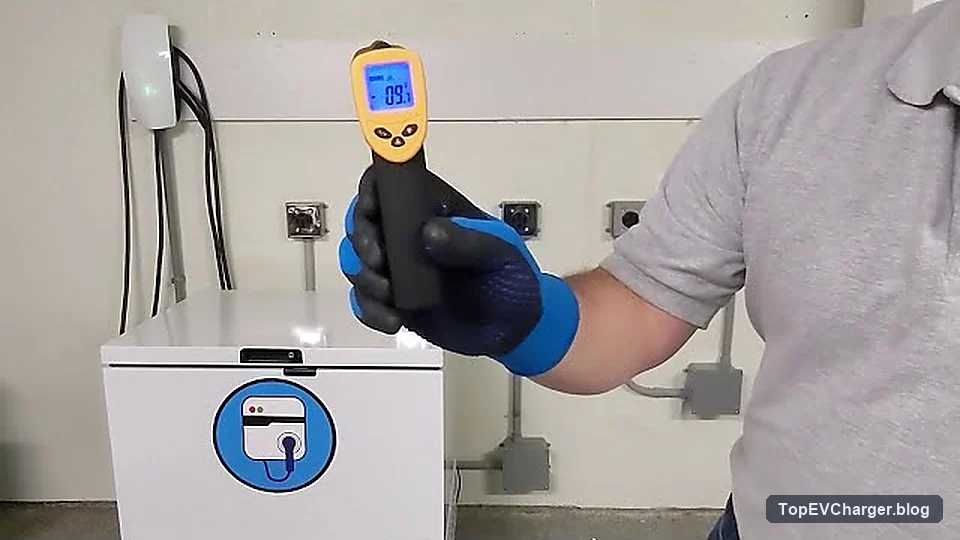
Energy conversion efficiency exceeds ninety-five percent during standard 240-volt residential charging sessions. This high efficiency minimizes wasted electricity and keeps operating temperatures well within safe safety margins.
Passive cooling fins dissipates internal heat efficiently without requiring noisy mechanical fans. During maximum 7.7kW output, thermal management keeps internal component temperatures safely below critical thresholds even inside uninsulated garages during summer months.
Conversion efficiency hovers near 95 percent, meaning very little electrical energy is wasted as heat during the power transfer process. This high efficiency translates into lower operational costs over years of daily residential charging usage.
- Passive cooling eliminates mechanical fan noise
- Exceeds 95 percent conversion efficiency
- Heavy aluminum rear heatsink integration
- Silent passive cooling eliminates fan failure points.
- High conversion efficiency reduces standby power loss.
Thermal Thresholds and Regulation
Advanced thermal monitoring sensors automatically adjust current flow if ambient temperatures exceed safe operating limits established for residential electronic equipment enclosures today.
- Sensors prevent internal component degradation.
Installation Mechanics and Usability Setup
Permanent hardwire installation or NEMA plug configurations provide flexible setup options for licensed electricians. The mounting bracket securely anchors to standard wall studs using heavy-duty lag bolts.
Wi-Fi pairing connects the EVSE to smartphone applications for remote session monitoring and cost tracking. Initial network handshakes require stable 2.4 GHz router signals for uninterrupted cloud communication.
Hardwired configurations require a dedicated 50-amp breaker paired with robust six-gauge copper wiring. Proper torque specifications on terminal blocks prevent high-resistance connections that could otherwise lead to dangerous overheating during heavy daily usage cycles.
The companion mobile application connects via Wi-Fi protocols to schedule charging windows easily. Users can monitor kilowatt-hour consumption metrics directly from their smartphones, optimizing electricity usage based on local utility rate structures.
- Supports hardwire or plug-in setups
- Secure wall bracket with stud alignment
- Cloud connectivity via 2.4 GHz Wi-Fi
- Requires a dedicated 50-amp electrical circuit.
- Wi-Fi pairing enables remote session management.
App Integration and Network Setup
Initial network connectivity setup procedures require a stable wireless router signal present inside the garage to maintain consistent communication with cloud management servers reliably.
- App provides real-time power analytics.
Maintenance Protocols and Long-Term Durability
Routine maintenance requires monthly visual inspections of the charging connector pins and cord insulation. Clearing dust buildup around the exterior housing prevents premature environmental wear and thermal trapping.
The robust connector latch mechanism withstands thousands of insertion cycles without losing tension. Proper strain relief practices further extend the operational lifespan of the main power cable assembly.
Routine maintenance involves inspecting the SAE J1772 connector pins for signs of wear, pitting, or accumulation of garage dust. Wiping down the exterior plastic housing with a damp microfiber cloth keeps the equipment looking pristine.
Cable management requires care to avoid sharp kinks that might stress internal copper conductors. Storing the cable neatly on the integrated holster prevents premature fatigue and extends the overall lifespan of the flexible tether.
- Monthly visual inspections of connector pins
- Keep exterior housing clear of debris
- Inspect cable insulation for cracking
- Inspect plug pins monthly for oxidation.
- Use the integrated holster for storage.
Safety Checks and Physical Upkeep
Scheduled preventative inspection routines should always include testing the ground fault circuit interrupter safety functionality using the integrated test button monthly without fail.
- Test GFCI functionality on a regular schedule.
Component Repair and Replacement Realities
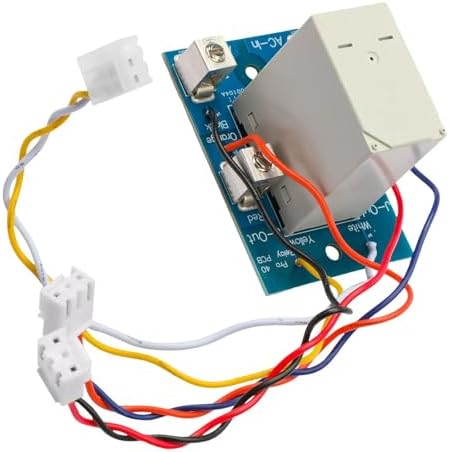
Out-of-warranty hardware failures often involve internal power relays handling heavy electrical switching loads. Replacing damaged internal relays requires specialized tools and strict adherence to high-voltage safety precautions.
Sourcing direct-fit replacement components ensures seamless compatibility with original equipment control boards. Technicians must verify circuit continuity and test ground fault protection before restoring operational status.
Modular internal design allows qualified electricians to replace faulty control boards if electrical surges bypass surge protection devices. However, attempting DIY internal repairs voids the manufacturer warranty and poses severe electrical shock hazards.
Replacement charge cables are available directly from authorized distributors when physical damage occurs from accidental drive-overs. Swapping out the tether requires proper torque tools to ensure internal strain reliefs function as engineered.
- Internal power relays handle heavy switching
- Direct-fit replacement parts restore functionality
- Mandatory ground fault continuity testing
- Always disconnect main power before servicing.
- Use OEM replacement cables for safety.
Serviceability and Parts Replacement
Reliable component sourcing through authorized distribution channels guarantees compatibility and maintains strict adherence to residential electrical safety certifications.
- Professional installation preserves safety ratings.
Definitive Buyer Verdict and Market Fit
Reviewing our Juicebox 32 vs 40 comparison reveals why this model remains a dependable choice for residential electric vehicle owners seeking reliable power despite minor cloud connectivity quirks.
Homeowners with standard electrical service will appreciate the balanced load delivery and durable weatherproofing. Overall engineering quality justifies its strong reputation within the competitive residential charging sector.
This charging unit represents a balanced choice for homeowners seeking reliable Level 2 charging without excessive complexity. Its combination of robust thermal management and intuitive app controls satisfies most daily commuting requirements effectively.
While newer hardware options offer bidirectional capabilities, this model excels in straightforward power delivery. It remains a dependable infrastructure investment for residential garages prioritizing longevity, safety compliance, and consistent daily performance.
- Ideal for standard home electrical panels
- Balanced power delivery for daily commuters
- Robust weatherproofing for outdoor installation
- Ideal for overnight residential vehicle replenishment.
- Strong safety certification and build quality.
Market Position and Suitability
Current market positioning reflects strong value for consumers prioritizing fundamental reliability over advanced features that might introduce unnecessary operational failure modes.
- Suits standard residential electrical panels.
Frequently Asked Questions
Can the Juicebox 32 be installed outdoors safely?
Yes, the unit features a durable NEMA 4X weather-resistant enclosure designed to withstand rain, snow, and extreme temperatures. Professional installation by a licensed electrician ensures proper moisture sealing for outdoor environments.
What size circuit breaker is required for this charger?
This charging station requires a dedicated 40-amp circuit breaker to safely deliver its continuous 32-amp output. Always consult local electrical codes and hire a certified professional before starting any wiring installation.
Does the charger require an active internet connection to operate?
The device can initiate standard charging sessions without internet access by utilizing its plug-and-charge default mode. However, an active Wi-Fi network connection is necessary to access scheduling and remote monitoring features.
How long is the attached charging cable?
The charger comes equipped with a flexible 25-foot heavy-duty cable that easily reaches vehicles parked outside the garage. This generous length accommodates various parking orientations without stretching or straining the terminal connections.
What should I do if the unit loses Wi-Fi connectivity?
Temporary network drops will not interrupt active vehicle charging sessions since local hardware handles safety controls. You can restore smart features by rebooting your wireless router or running a network reconnection sequence through the mobile app.