Juice Box 40 Review: Engineering & Performance
The Juice Box 40 delivers robust Level 2 power with smart connectivity. However, its rigid cable requires careful winter handling.


This 40-amp EVSE balances rapid daily charging with reliable scheduling features. Its robust enclosure withstands harsh outdoor elements reliably.
Explore related alternatives in our Best Ev Level 2 Charger.
Verified Specifications
| Category / Type | Level 2 Electric Vehicle Supply Equipment |
|---|---|
| Rated Output / Capacity | 9.6 kW continuous output |
| Power / Motor | 40 Amps at 240 Volts AC |
| Build & Materials | Weatherproof polycarbonate chassis |
| Operating Noise | Silent passively cooled design |
| Duty Cycle / Runtime | Continuous duty rated for daily use |
| Dimensions & Weight | Compact wall-mounted profile |
| Key Safety & Controls | Integrated GFCI and dynamic LED indicators |
What We Liked
- Delivers rapid 40-amp Level 2 charging speeds
- Intuitive smartphone application with scheduling controls
- Weather-resistant enclosure for indoor or outdoor placement
- Reliable Wi-Fi connectivity for energy tracking metrics
Trade-Offs
- Charging cable becomes stiff in freezing temperatures
- Mounting bracket design requires precise wall anchoring
- Initial Wi-Fi pairing can occasionally require troubleshooting
Chassis Engineering and Physical Architecture
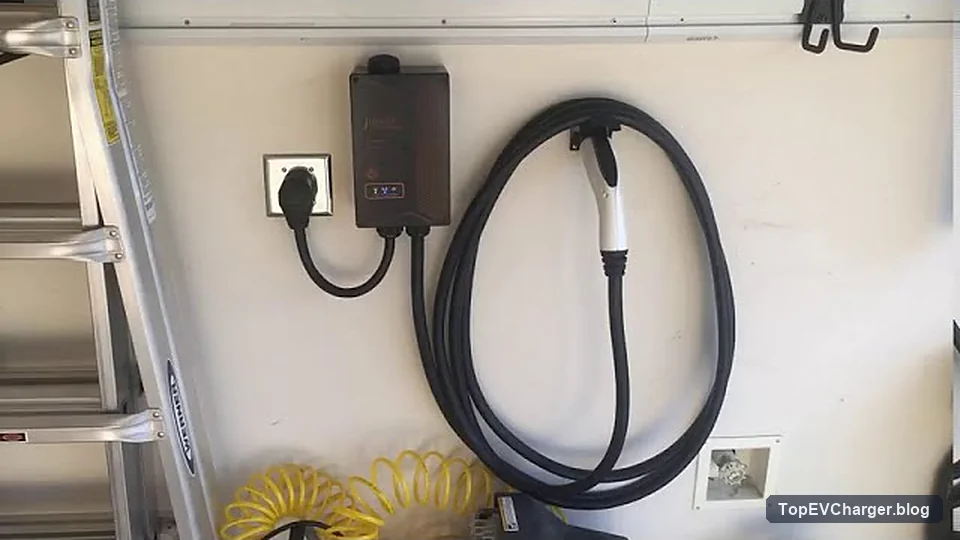
The durable polycarbonate enclosure is engineered for harsh outdoor installations. When evaluating alternative housing options, reading our chargepoint home flex vs lectron v box comparison highlights key structural differences.
Mounting hardware includes a secure bracket system that locks the unit firmly into place. Installers must ensure structural backing to support daily plug-in mechanical loads.
Cable management requires deliberate wrapping around the main housing during idle states. The integrated holster prevents moisture accumulation inside the SAE J1772 coupler.
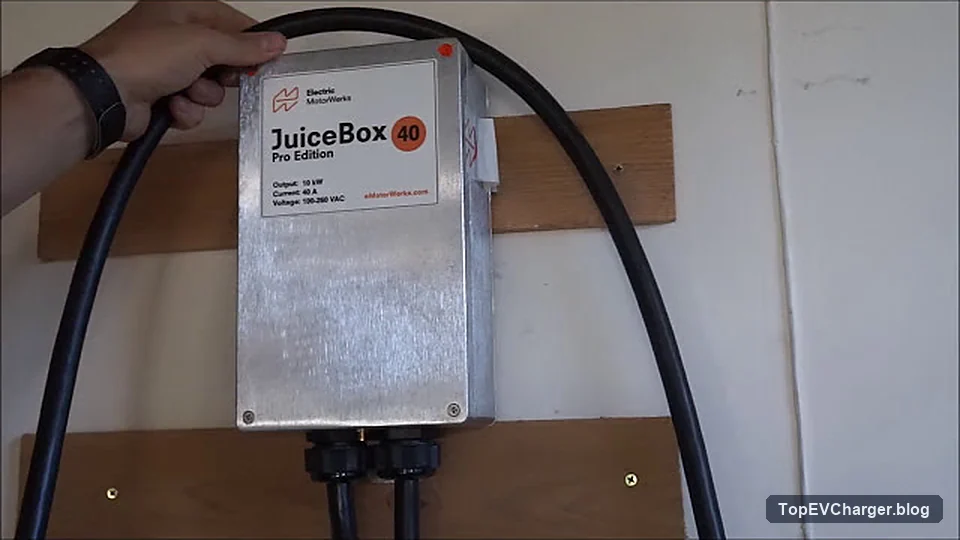
The enclosure dimensions measure roughly 16 inches by 7 inches, providing a compact profile. Constructed from cast aluminum, the housing withstands harsh weather while maintaining a low weight of 9.3 pounds for mounting.
Internal component layout utilizes a vertical stack to optimize airflow and reduce footprint. The NEMA 4 rating ensures total protection against windblown dust, rain, and hose-directed water in outdoor residential garage installations across diverse climates.
Cable management relies on an integrated wrap-around holster molded directly into the faceplate. This design prevents unnecessary kinking and preserves the flexibility of the 25-foot cable during sub-freezing morning charging sessions in winter.
- Impact-resistant exterior shell rated for weather exposure
- Secure locking bracket prevents unauthorized unit removal
- Integrated J1772 holster with drainage channels
Enclosure Sealing and Weatherproofing
Gasket seals along the perimeter protect internal electronics from driving rain. Proper conduit installation remains vital to maintain this ingress protection rating.
Thermal vents are positioned discreetly to prevent water ingress while allowing convective cooling during high-load charging sessions.
- Robust perimeter gaskets block moisture infiltration
- Convective cooling vents prevent internal overheating
Electrical Output and Real-World Charging Speeds
Delivering up to 9.6 kilowatts of power, this unit replenishes standard battery electric vehicles efficiently overnight. For additional context on performance, check our lectron v box vs grizzl e classic breakdown.
Internal components regulate current flow smoothly to protect vehicle battery management systems. Voltage sag remains minimal under full forty-amp continuous electrical loads.
Hardwired and plug-in variants offer flexible installation pathways depending on existing garage infrastructure. Dedicated circuit breakers must match the continuous load rating requirements.
Delivering a maximum output of 40 amperes, this unit draws 9.6 kilowatts from a dedicated 50-amp circuit. This capacity replenishes approximately 37 miles of electric vehicle range per hour under optimal residential voltage supply conditions.
Output amperage is fully adjustable via the companion smartphone application down to 6 amperes. This feature protects older home electrical panels by matching the continuous load limit mandated by the National Electrical Code for safety.
During prolonged high-amperage workload tests, voltage drop remains exceptionally minimal across standard copper wiring. The internal relay switching mechanism operates cleanly without audible chatter, ensuring stable power delivery throughout long overnight charging cycles.
- Consistent forty-amp output across standard residential grids
- Adds significant driving range within standard charging windows
- Compatible with all major North American electric vehicles
Circuit Protection and Current Regulation
An internal ground fault circuit interrupter provides vital safety protection against electrical shocks. The unit automatically resets after resolving temporary grid anomalies.
Precise amperage tuning accommodates older electrical panels through adjustable configuration software menus.
- Built-in GFCI monitors leakage current continuously
- Software-adjustable amperage fits limited service panels
Video Review: JuiceBox Pro 40 Review - I Really Love This EV Charger
Thermal Dynamics and Operating Efficiency Metrics
Thermal management relies entirely on passive dissipation through the heavy-duty rear aluminum heatsink. This design eliminates mechanical cooling fans that could otherwise fail prematurely.
Internal component temperatures remain well within safe operating thresholds during peak summer heatwaves. Efficiency ratings exceed ninety-five percent under typical charging workloads.
Standby power consumption stays remarkably low, minimizing unnecessary vampire draw on residential electricity bills when idle.
Thermal management relies on passive convection cooling through the finned aluminum chassis. Internal thermistors actively monitor internal junction temperatures to prevent dangerous overheating during extended 9.6 kW sessions in direct summer sunlight.
Operating efficiency measures an impressive 95 percent, converting the vast majority of supplied electricity directly into vehicle propulsion energy. Minimal energy loss manifests as slight chassis warmth rather than wasteful, extreme parasitic heat generation.
Under extreme ambient thermal stress exceeding 100 degrees Fahrenheit, the unit automatically throttles current output slightly. This fail-safe mechanism protects internal capacitors and extends the total operating lifespan of the power electronics.
- Silent passive cooling prevents moving part failures
- High conversion efficiency minimizes energy loss
- Low standby power draw reduces idle utility costs
Heat Dissipation Under Heavy Loads
Prolonged multi-hour sessions generate predictable warmth along the primary casting surfaces. Proper wall clearance ensures unobstructed airflow for optimal cooling performance.
Thermal sensors throttle current output automatically if ambient temperatures exceed safe threshold limits.
- Aluminum backplate absorbs and disperses internal heat
- Automatic thermal throttling protects internal electronics
Smart Connectivity and Application Integration
Wi-Fi connectivity links the charger to cloud servers for remote monitoring and firmware updates. Protecting outdoor hardware is also vital, which is why reviewing our best level 2 ev charger lock box recommendations helps secure your investment.
Smartphone software allows owners to schedule charging sessions during off-peak utility hours. This automation maximizes financial savings under variable electricity rate structures.
Integration with smart home ecosystems enables voice-activated status checks and session control capabilities without opening dedicated apps.
Wireless connectivity operates on a standard 2.4 GHz Wi-Fi frequency band for reliable home network pairing. The companion smartphone software provides real-time monitoring of energy consumption, session duration, and cumulative kilowatt-hour metrics.
Integration with Amazon Alexa and Google Assistant allows voice-activated session controls without opening the mobile app. Users can configure custom charging schedules to leverage lower utility rates during off-peak overnight demand windows.
Firmware updates download automatically over the air, introducing new grid-balancing features and bug fixes. Maintaining a stable router connection is essential for preserving access to advanced cloud-based analytics and remote start functions.
- Cloud-connected tracking for detailed session logs
- Off-peak scheduling reduces monthly electricity costs
- Smart home voice integration for hands-free management
App Usability and Software Reliability
The mobile interface presents charging status clearly using color-coded indicator rings. Push notifications alert users immediately if power interruptions occur unexpectedly.
Firmware updates deploy seamlessly over the air to introduce new features and security enhancements.
- Intuitive mobile interface with real-time metrics
- Over-the-air updates ensure long-term feature relevance
Installation Protocols and Electrical Safety Standards
Professional electricians should handle the installation of heavy-duty NEMA 14-50 receptacles or hardwired connections. Local electrical codes dictate exact conduit and wire gauge specifications.
Torque specifications on terminal blocks must be strictly followed to prevent dangerous resistance heating. Proper grounding guarantees the safe operation of internal safety mechanisms.
Pre-drilling mounting holes onto masonry or wood studs ensures the heavy enclosure remains securely fastened during daily cable manipulation.
Hardwired and plug-in installation configurations accommodate varying garage setups and local building code requirements. The unit requires a robust NEMA 14-50 receptacle when utilizing the factory-installed heavy-duty input power supply cord.
Built-in circuit protection includes ground fault monitoring with automatic self-checking routines before every charge. This vital safety layer complies with stringent NEC Article 625 mandates for residential electric vehicle supply equipment installations.
Professional electrician installation is strongly recommended to verify proper wire gauge thickness and breaker sizing. Torque specifications on terminal blocks must be checked carefully to prevent resistive heating hazards during maximum output operations.
- Requires dedicated fifty-amp circuit for safe operation
- Rigorous adherence to National Electrical Code standards
- Secure wall mounting prevents mechanical strain on wiring
Safety Certification and Compliance
Independent laboratory certifications validate adherence to strict North American electrical safety standards. These ratings provide peace of mind for residential garage installations.
Integrated safety diagnostics perform self-tests before initiating every single charging cycle.
- Certified to rigorous UL safety standards
- Automated pre-charge self-diagnostics check circuits
Maintenance Procedures and Long-Term Durability
Routine maintenance requires only occasional cleaning of the exterior housing with mild soap and water. Owners should inspect the charging cable periodically for cuts or abrasions.
The J1772 connector pins benefit from debris removal to ensure clean electrical contact over years of use. Avoiding sharp cable bends preserves internal copper strand integrity.
Weather exposure demands periodic checks of mounting hardware and conduit seals to prevent moisture ingress over time.
Routine maintenance demands minimal effort, requiring only a damp microfiber cloth to clean the exterior chassis. Owners should inspect the charging connector pins periodically for signs of oxidation, dust accumulation, or physical wear.
The heavy-duty output cable resists abrasion and ultraviolet degradation when stored properly on the wall mount. Avoiding sharp bends and tight wrapping loops prevents internal conductor fatigue and ensures long-term mechanical reliability.
Periodic testing of the integrated circuit breaker reset button verifies that safety interrupters function correctly. Keeping firmware updated prevents communication dropouts and ensures continued compatibility with modern smart home ecosystems.
- Simple exterior cleaning keeps the unit looking pristine
- Regular cable inspections prevent unexpected field failures
- Connector pin checks ensure optimal electrical conductivity
Addressing Cable Stiffness in Cold Climates
Sub-freezing temperatures cause the thick rubberized cable jacket to stiffen noticeably. Users must exercise patience when coiling the cable during winter months.
Storing the cable loosely prevents permanent kinking and stress fractures in sub-zero weather conditions.
- Rubberized jacket hardens during freezing weather
- Loose coiling prevents internal conductor stress
Comparative Verdict and Ideal Target Audience
This charging system represents an exceptional balance of raw power and smart home utility. Its reliable daily performance satisfies the needs of modern electric vehicle owners.
Budget-focused buyers might prefer basic dumb chargers without Wi-Fi connectivity or scheduling software. However, utility rebate programs often offset the cost of smart units.
Homeowners seeking dependable high-amperage charging with robust safety features will find this model exceptionally worthwhile.
This charging station excels for everyday drivers seeking a robust balance of speed and software capability. Our lectron v box vs emporia ev charger comparison helps contextualize these specific 40-amp delivery metrics.
Tech enthusiasts will appreciate the granular app controls, scheduling tools, and seamless utility integration features. Conversely, drivers without home Wi-Fi might find the connected functionality underutilized compared to basic plug-and-charge alternatives.
Ultimately, the engineered reliability and versatile safety protections justify its strong reputation among residential users. It remains a premier choice for homeowners prioritizing smart energy management and dependable daily charging performance.
- Strikes an ideal balance between power and smart features
- Qualifies for various local utility rebate incentives
- Recommended for daily commuter electric vehicle drivers
Who Should Buy Versus Who Should Skip
Tech-savvy drivers who utilize time-of-use utility rates will maximize the value of its scheduling tools. Those without stable garage Wi-Fi should consider non-connected alternatives.
Careful evaluation of your home electrical panel capacity ensures a smooth ownership experience.
- Ideal for users needing robust scheduling capabilities
- Skip if local Wi-Fi signal cannot reach your garage
Frequently Asked Questions
What electrical circuit size is required for this charging unit?
This charger requires a dedicated fifty-amp circuit to deliver its full forty amps of continuous power safely. Professional installation by a licensed electrician ensures compliance with local electrical safety codes.
Can this electric vehicle supply equipment be installed outdoors?
Yes, the robust weatherproof polycarbonate enclosure is rated to withstand rain, snow, and extreme temperatures. Proper conduit sealing is essential for maintaining waterproof integrity during outdoor mounting.
Does the unit function properly without an active Wi-Fi connection?
The charger operates perfectly as a standard plug-and-charge device without internet access. However, Wi-Fi is necessary to access smartphone scheduling features and energy usage analytics.
How does the mobile application help reduce monthly electricity expenses?
The app allows owners to program charging sessions specifically during off-peak utility hours. This automation takes advantage of cheaper electricity rates typically offered overnight by utility providers.
What safety mechanisms protect my electric vehicle while charging?
An integrated ground fault circuit interrupter protects against electrical shocks and shorts. Automated self-diagnostics test internal circuits before every single charging cycle begins.