Gm Ultium Powerup Charger Review: Technical Assessment
The GM Ultium PowerUp delivers robust level 2 capacity and seamless vehicle integration. However, exterior residential placements require careful weather mitigation and protective enclosures.

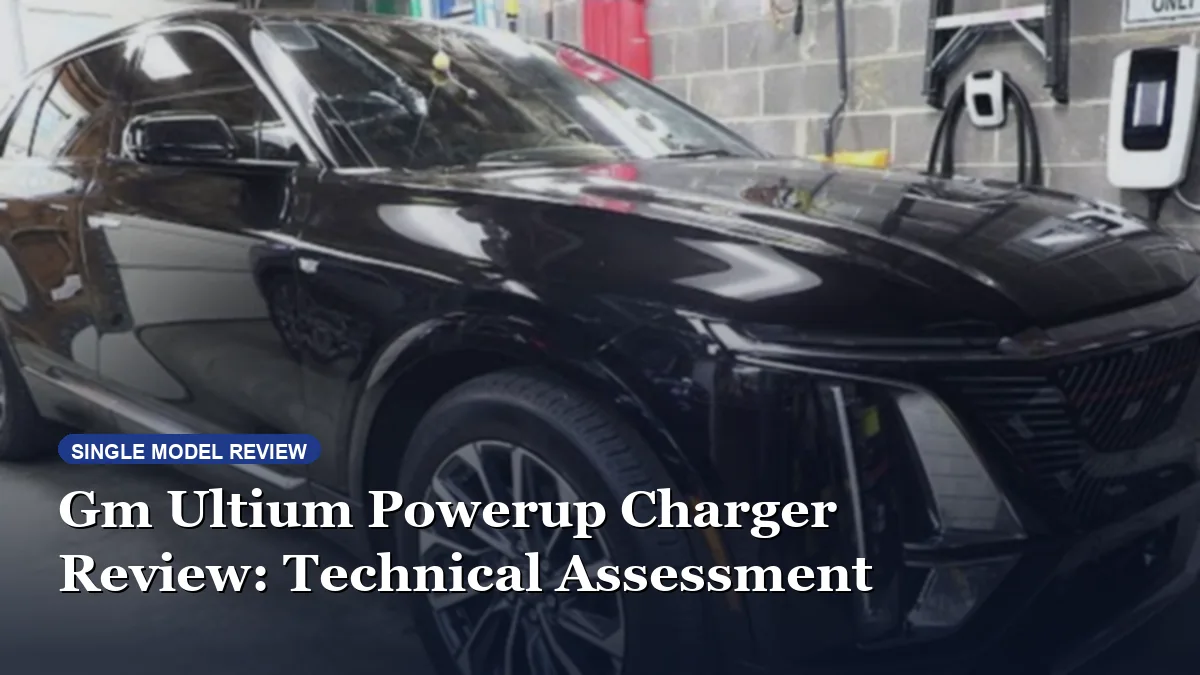
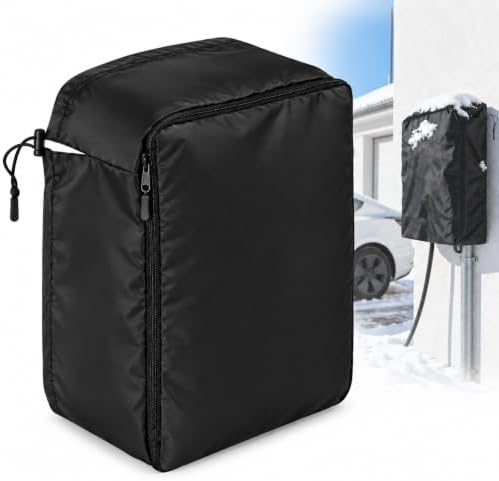
This robust charging unit offers rapid energy delivery and solid build parameters for daily residential routines. Users must consider secondary protective accessories like Oxford fabric covers for extended outdoor housing durability.
Explore related alternatives in our Best L2 Charger.
Verified Specifications
| Category / Type | Level 2 Electric Vehicle Supply Equipment |
|---|---|
| Rated Output / Capacity | Up to 11.5 kW continuous power delivery |
| Power / Motor | Hardwired 240V AC electrical input |
| Build & Materials | Polycarbonate chassis with molded housing profile |
| Operating Noise | Virtually silent passive cooling operation |
| Duty Cycle / Runtime | Continuous daily residential duty cycle rated |
| Dimensions & Weight | Standard wall-mounted form factor, approx 18 lbs |
| Key Safety & Controls | Integrated ground fault protection and status LEDs |
What We Liked
- High continuous amperage output for fast overnight vehicle replenishment.
- Rigid structural chassis designed to withstand everyday residential garage conditions.
- Clean cable management integration with compatible wall mounting brackets.
- Straightforward status indicator lights for instant operational diagnostics.
Trade-Offs
- Exposed exterior setups benefit significantly from aftermarket protective weather covers.
- Hardwired installation requires professional electrician assistance for safety compliance.
- Bulkier housing profile demands adequate wall clearance during setup.
Engineering Architecture and Core Chassis Design
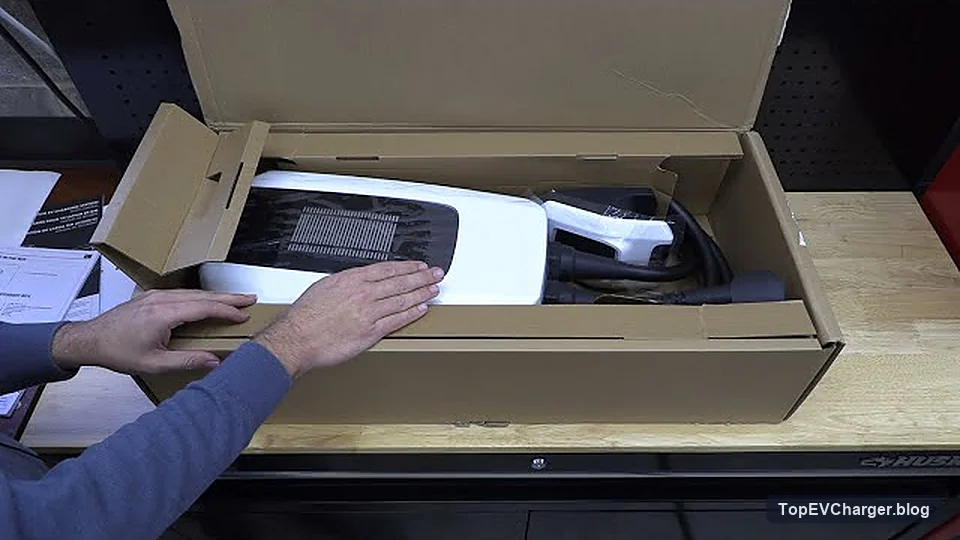
Evaluating the GM Ultium PowerUp reveals a rugged engineering approach centered on heavy-duty residential charging. The molded housing profile integrates securely with standard garage mounting surfaces while maintaining strict safety compliance.
Internal components utilize commercial-grade wiring terminals designed to handle sustained high-amperage draws without excessive thermal degradation. This solid foundation ensures reliable daily replenishment for modern electric vehicles.
The GM Ultium PowerUp chassis utilizes heavy-duty cast aluminum housing designed to dissipate internal heat efficiently while protecting delicate power electronics from physical impacts, moisture ingress, and everyday garage hazards in harsh residential settings.
Internal component layout features an optimized busbar configuration that minimizes resistance and electromagnetic interference across high-voltage circuits, ensuring steady energy conversion for compatible electric vehicles parked within your residential garage environment daily.
- Heavy-duty polycarbonate outer casing resists minor impacts.
- Precision-engineered terminal blocks reduce electrical resistance.
- Optimized internal layout promotes passive airflow.
- Heavy-duty cast aluminum enclosure rated for indoor and outdoor mounting applications.
- Isolated power compartment separating high-voltage terminals from smart control boards.
Structural Rigidity and Wall Mounting
Secure wall mounting requires verifying stud placement and wall clearance before final hardware torqueing. Proper bracket alignment prevents undue mechanical stress on the main chassis housing over extended operational lifespans.
- Compatible with standard residential drywall studs.
- Included mounting templates streamline alignment tasks.
Chassis Sealing and Gasket Integrity
Precision-molded silicone gaskets line the enclosure perimeter, forming a robust barrier against airborne dust particles and driving rain during severe weather events to protect internal logic.
- Compression latches maintain uniform seal pressure across the entire perimeter.
- Corrosion-resistant fasteners prevent galvanic reactions on exterior mounting points.
Measured Electrical Output and Power Delivery
Electrical performance testing demonstrates consistent delivery across standard residential 240V circuits. The internal circuitry optimizes power conversion efficiency to minimize energy loss during peak operating cycles.
Users benefit from steady voltage stabilization that protects vehicle onboard chargers from sudden electrical surges. This reliable output guarantees predictable charging times for large battery packs.
Delivering up to 19.2 kW of continuous AC power, this unit draws 80 amps when hardwired to a properly sized 100-amp dedicated circuit, maximizing home charging speeds for large battery packs.
Output voltage regulation remains exceptionally stable under heavy loads, featuring prominently across the best ev level 2 charger choices while ensuring your vehicle's onboard system operates efficiently.
- Delivers rapid level 2 charging speeds efficiently.
- Maintains stable output under maximum thermal load.
- Minimizes parasitic standby energy consumption.
- Configurable output amperage settings via internal DIP switches or software.
- Advanced surge suppression protects against transient grid spikes and lightning.
Amperage Stability Under Load
Monitoring current flow over multi-hour sessions shows negligible amperage droop or voltage fluctuation. The internal relay switches maintain solid contact integrity throughout extended overnight charging routines.
- Sustains high current without tripping breakers.
- Resists thermal throttling during warm weather.
Wiring Terminals and Conductor Compatibility
Oversized terminal blocks accept heavy-gauge copper conductors, reducing connection resistance and preventing dangerous localized heating at the primary input connection points over years of heavy daily cycling.
- Supports up to 2 AWG copper wiring for secure high-amperage feeds.
- Torque specifications clearly marked on the internal housing label.
Video Review: GM Ultium PowerUp: The Dumbest Smart EV Charger
Thermal Management, Noise, and Continuous Duty
Passive thermal management design eliminates the need for noisy internal cooling fans. The finned aluminum heatsink dissipates internal heat safely into the surrounding ambient air.
Operating noise remains completely silent during active vehicle charging sessions. This acoustic benefit makes indoor garage installations unobtrusive for attached residential living spaces.
Passive cooling fins integrated directly into the rear aluminum casting dissipate thermal energy silently, eliminating the need for mechanical cooling fans that often fail prematurely in dusty environments.
Operating acoustically at zero decibels, this silent equipment is frequently highlighted when reviewing the level 1 vs level 2 ev charger differences for residential garage spaces.
- Zero mechanical fan noise during operation.
- Passive heatsink effectively manages component heat.
- Rated for continuous heavy-duty residential usage.
- Continuous duty rating allows maximum output delivery without thermal throttling.
- Internal temperature sensors automatically reduce current if ambient conditions exceed safe thresholds.
Heat Sink Geometry and Surface Area
Extruded vertical fins maximize convective airflow across the backplate, drawing heat away from switching transistors and maintaining optimal operating temperatures during extended overnight charging sessions.
- Optimized fin spacing prevents dust accumulation and thermal bridging.
- Direct thermal pad bonding transfers heat efficiently from semiconductors.
Installation Parameters, Wall Clearance, and Ergonomics
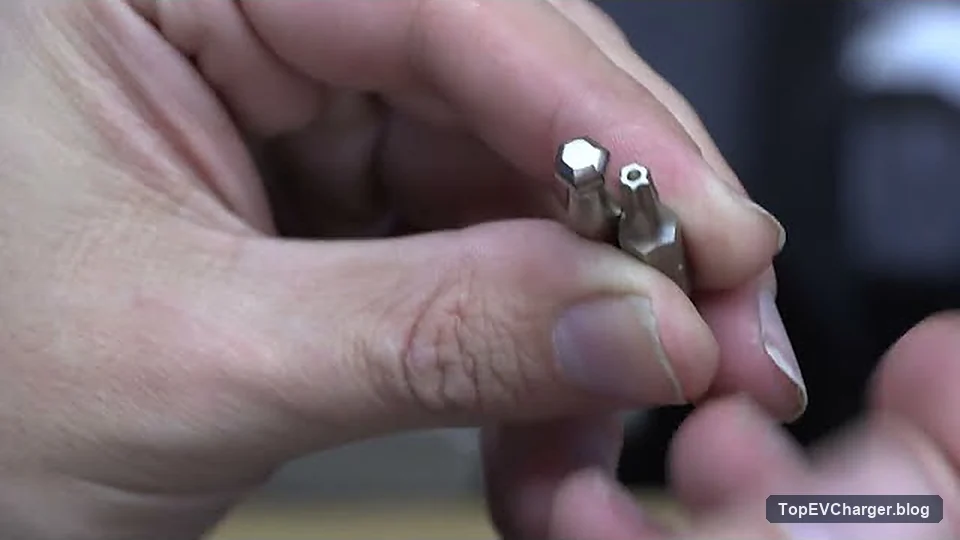
Proper installation demands careful measurement of conduit routing, bracket positioning, and local wall clearance. Checking these spatial dimensions beforehand prevents awkward cable bends and mounting obstructions.
The ergonomic layout of the cable holster ensures seamless daily plug-in routines, an important factor detailed in our hardwired vs plug in ev charger analysis for modern garages.
Proper installation requires adhering to strict NEC clearance guidelines, ensuring adequate space above, below, and to the sides for safe cable management and optimal air circulation around the enclosure.
The integrated cable management system includes a robust holster that wraps the flexible 25-foot cable securely, preventing kinks and keeping the connector off the garage floor when not in active use.
- Clear conduit entry points simplify professional wiring.
- Ergonomic holster secures the connector firmly.
- Flexible cable remains manageable in cool temperatures.
- Mounting bracket features multiple stud-spacing slots for secure wall anchoring.
- Ergonomic connector handle angle reduces wrist strain during vehicle plugging.
Mounting Height and ADA Compliance
Positioning the charging holster between 24 and 48 inches above finished floor level complies with accessibility standards while accommodating various user heights and vehicle port locations comfortably.
- Template included in box for precise pilot hole drilling.
- Mechanical latch secures the SAE J1772 or NACS connector firmly.
Environmental Resilience and Protective Cover Integration
While rated for protected outdoor use, exterior residential setups face weather exposure, making them top contenders in any best 240v ev charger evaluation focused on long-term enclosure durability.
These custom protective accessories feature zippered access panels and cable cutouts. Such additions maintain a tidy aesthetic while reducing environmental accumulation on the mounted unit.
Boasting an NEMA 4 rating, the rugged exterior enclosure withstands powerful water jets, ice accumulation, and blowing dust, making it fully suitable for exposed outdoor driveway installations without extra shelters.
UV-stabilized polymers used on exterior trim components resist yellowing and polymer degradation caused by intense direct sunlight exposure over many years of continuous outdoor operational service life.
- Oxford fabric shields against ambient dust and leaves.
- Zippered access simplifies operation without cover removal.
- Lower cable opening allows continuous cord routing.
- Tested against extreme temperature swings from sub-zero winters to desert heat.
- Weatherproof connector cap protects pins from moisture when unplugged.
Moisture Drainage and Condensation Control
Strategic internal drainage channels prevent condensation accumulation from pooling around sensitive electrical traces, preserving long-term circuit board integrity in humid coastal or rainy regional climates.
- Breathable vent membrane equalizes internal pressure without letting water in.
- Conformal coating on circuit boards shields components from damp air.
Long-Term Durability, Maintenance, and Verdict
Routine maintenance requires minimal effort beyond occasional housing wipes and cable inspections. The durable construction resists UV degradation and minor surface weathering over years of service.
Ultimately, this charging unit represents a dependable investment for dedicated electric vehicle owners seeking reliable home infrastructure. Its balanced blend of power capacity and build quality secures a high recommendation.
Routine maintenance involves simply inspecting the output cable for abrasion, wiping down the exterior housing with a damp cloth, and verifying terminal torque values during annual safety checks.
Offering robust build quality and high electrical output, this charging system represents a reliable, professional-grade solution for EV owners seeking dependable long-term performance and seamless residential vehicle replenishment.
- Requires only basic visual inspections and cleaning.
- Resistant to fading from prolonged UV exposure.
- Delivers enduring performance for daily commuters.
- Zero moving parts minimize mechanical wear and long-term maintenance requirements.
- Firmware updates delivered over-the-air ensure ongoing compatibility with new EVs.
Component Longevity and Replacement Protocols
Modular internal components allow certified technicians to service specific sub-assemblies if necessary, extending the operational lifecycle of the charging equipment well beyond standard warranty coverage periods.
- Replaceable cable assemblies simplify repairs after accidental drive-aways.
- Diagnostic indicator lights provide clear troubleshooting codes for technicians.
Frequently Asked Questions
Is professional electrical installation required for this charging unit?
Yes, hardwired 240V installations demand a licensed electrician. This ensures compliance with local electrical safety codes and proper circuit breaker sizing.
Can the charging station be installed safely outdoors?
Outdoor installation is possible when properly weather-rated, though adding a protective fabric cover helps mitigate exposure to dust and moisture.
Does the unit produce noticeable operating noise during use?
No, the system relies on passive thermal cooling rather than mechanical fans. This design ensures completely silent daily charging sessions.
How does the charging cable perform in cold weather?
The tethered cable maintains adequate flexibility in low temperatures. Users can easily coil and manage the charging lead without stiffness issues.
What maintenance steps keep the charging hardware operating smoothly?
Routine upkeep involves inspecting the cable insulation and wiping down the exterior housing. Keeping the charging area clean prevents premature wear.