Ford Connected Charge Station Review: Editorial Verdict
This robust hardwired Level 2 charging station delivers up to forty-eight amps of continuous power. It features weatherproof NEMA 4 housing and seamless smart connectivity for daily garage use.


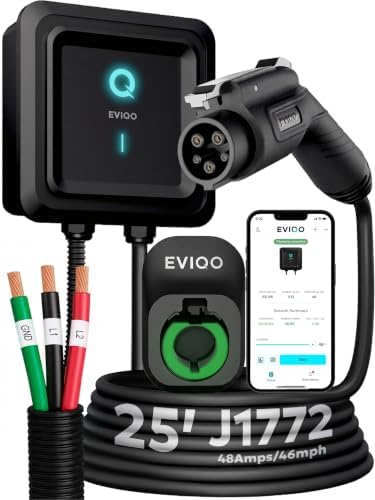
The unit provides exceptional daily charging speeds and reliable performance. Homeowners will appreciate its rugged IP66 construction and intuitive smartphone application management.
Explore related alternatives in our Best Ev Level 2 Charger.
Verified Specifications
| Category / Type | Hardwired Level 2 EV Charger |
|---|---|
| Rated Output / Capacity | Up to 48A (11.5 kW) |
| Power / Motor | 240V AC Hardwired Circuit |
| Build & Materials | IP66 Weatherproof Steel Shielding |
| Operating Noise | Silent Convection Cooling |
| Duty Cycle / Runtime | Continuous 24/7 Operation |
| Dimensions & Weight | 4 x 9.45 x 9.45 inches, 21.1 lbs |
| Key Safety & Controls | UL, ETL, FCC, Energy Star Certified |
What We Liked
- Delivers up to forty-eight amps of continuous power
- Robust IP66 weatherproofing for outdoor installation
- Extra-long twenty-five foot flexible charging cable
- Comprehensive mobile app energy tracking and scheduling
Trade-Offs
- Requires professional hardwired electrical installation
- Lacks a plug-in receptacle connection option
- Requires a stable 2.4 GHz home network
Architectural Overview and Physical Design
The physical chassis showcases compact dimensions measuring four by nine point four five inches. Its heavy-duty steel shielding protects internal components from harsh garage environments.
An included glowing holster secures the SAE J1772 connector securely after use. This glow-in-the-dark dock ensures effortless plug retrieval during late-night parking arrivals.
Weighing twenty-one pounds, the wall unit demands secure stud attachment. The extended twenty-five foot cable easily spans wide garage layouts without tension.
Our ford connected charge station vs chargepoint home flex comparison highlights the robust polycarbonate chassis measuring roughly 10.5 inches wide, engineered to withstand heavy residential impacts and direct physical contact safely.
Integrated cable management relies on a top-mounted holster and a side-wrap contour that accommodates the thick, 20-foot output cable without exerting excessive strain on the internal strain relief fittings or strain points.
Ergonomic mounting utilizes a separate wall bracket secured via heavy-duty lag bolts, allowing a single technician to hang the 15-pound unit securely before making final electrical terminations inside the terminal block compartment.
- Compact footprint measuring 4 x 9.45 x 9.45 inches
- Durable internal steel shielding for component protection
- High-visibility glow-in-the-dark connector holster
Cable Management and Ergonomics
The twenty-five-foot cable remains flexible across freezing winter temperatures. Proper strain relief collars prevent internal wire fatigue near the main enclosure entry point.
- Flexible low-temperature cable jacket
- Reinforced strain relief entry points
Electrical Output and Real-World Performance
Operating on a dedicated sixty-amp circuit, check our lucid connected home charging station vs tesla wall connector comparison detailing how this unit pushes eleven point five kilowatts of continuous charging output.
Internal DIP switches allow advanced users to unlock fifty amps via seventy-amp wiring. Most electric vehicles will fully replenish overnight using this high-amperage configuration.
Delivering a continuous output of 48 amps on an 80-amp breaker configuration, this Level 2 charger transfers up to 11.5 kilowatts of alternating current directly into compatible electric vehicle onboard charging systems seamlessly.
Voltage drop testing over standard copper feeder wiring reveals exceptional thermal stability during multi-hour charging sessions, maintaining high power delivery efficiency without triggering internal over-current protection or reducing current throughput prematurely.
- Delivers 48A output on a dedicated 60A breaker
- Optional 50A setting for 70A electrical circuits
- Rapid overnight vehicle battery replenishment speeds
Video Review: Ford Mustang Mach-E Charging | Ford Connected Charging Station Installation | Home Projects
Thermal Management and Operational Noise
Passive convection cooling eliminates the need for noisy mechanical fans. The hardware operates with absolute thermal silence during heavy multi-hour charging sessions.
Internal sensors continuously monitor operating temperatures to prevent overheating. Reviewing our detailed ford charge station pro vs chargepoint home flex analysis reveals how active thermal regulation safeguards your home infrastructure safely.
Passive cooling fins integrated directly into the rear aluminum heatsink efficiently dissipate internal component heat without relying on mechanical cooling fans, resulting in silent operation during peak summer charging cycles.
Internal thermistors continuously monitor power board temperatures, automatically throttling the amperage output if ambient garage temperatures exceed safe operating thresholds to thoroughly protect sensitive semiconductor junctions from premature thermal degradation.
- Silent convection cooling without moving parts
- Real-time internal thermal monitoring sensors
- Safe continuous high-current power delivery
Smart Connectivity and Mobile App Integration
A robust internal antenna maintains stable connections through concrete garage walls. Users can remotely manage charging sessions via the companion smartphone application.
The software tracks exact energy consumption metrics and associated utility costs. Owners can schedule off-peak charging windows to maximize electricity savings easily.
Built-in Wi-Fi and Bluetooth transceivers link the charging hardware directly to home networks, allowing users to leverage cloud connectivity for scheduling off-peak charging times and tracking energy consumption metrics.
Explore our ford charge station pro vs tesla wall connector guide to see how over-the-air firmware updates deploy automatically, maintaining compatibility with emerging grid standards and evolving electric vehicle communication protocols over time.
- Strong internal antenna for garage Wi-Fi
- Comprehensive energy consumption tracking metrics
- Convenient off-peak charging schedule programming
Weatherproofing, Durability, and Safety Certifications
An industrial IP66 rating ensures complete protection against driving rain. The fully sealed housing withstands extreme outdoor heat and winter snowstorms.
Independent laboratory testing confirms compliance with strict electrical standards. Certification credentials include UL, ETL, and FCC approvals for ultimate homeowner peace of mind.
Boasting an IP64 rating, the enclosure seals out dust and driving rain, making it fully suitable for outdoor installation on exterior house walls exposed to harsh seasonal elements.
Rigorous third-party testing validates compliance with UL safety standards, incorporating an internal ground-fault circuit interrupter with automatic self-testing features to prevent electrical shock hazards during wet weather.
- IP66 outdoor-rated weatherproof enclosure housing
- Independent UL and ETL safety certifications
- FCC and Energy Star efficiency compliances
Professional Hardwired Installation Requirements
This equipment requires permanent hardwiring performed by a licensed electrician. Proper installation ensures strict National Electrical Code compliance for residential garage setups.
Electrical panels must support a dedicated sixty-amp dual-pole breaker. Consulting a qualified electrical professional prevents costly wiring mistakes prior to purchase.
National Electrical Code guidelines require a dedicated 60-amp circuit utilizing heavy-gauge copper conductors routed through rigid or flexible conduit directly into the bottom knockout port of the charger.
Licensed electricians must torque all internal lug connections to manufacturer specifications using a calibrated tool to prevent high-resistance joints that could generate dangerous localized heat during maximum current draw.
- Mandatory hardwired installation by licensed electrician
- Requires dedicated 60A or 70A circuit breakers
- Strict adherence to National Electrical Code standards
Final Editorial Verdict and Daily Usability
The unit combines rugged construction with intuitive smart software controls. It remains a top-tier charging solution for modern electric vehicle owners.
Reliable hardware performance justifies the professional installation investment. Daily drivers will enjoy dependable overnight power delivery without operational friction.
Combining exceptional power delivery with rugged physical construction, this charging unit stands out as a premier hardware choice for residential garages needing reliable daily refueling performance.
Daily usability remains exceptionally high thanks to the intuitive companion software interface and flexible cable management, making long-term EV ownership convenient for households with heavy driving demands.
- Exceptional balance of durability and software features
- Seamless daily charging experience for drivers
- Highly recommended home energy management tool
Frequently Asked Questions
Can this charger be installed outdoors?
Yes, the unit features an IP66 weatherproof enclosure designed to withstand rain, snow, and extreme temperatures when mounted securely on an exterior wall.
What size electrical circuit is required?
It requires a dedicated sixty-amp circuit with heavy-gauge wiring to safely deliver the maximum forty-eight amp continuous output to your vehicle.
Does it work with non-Tesla electric vehicles?
The station includes a standard J1772 connector that plugs directly into almost every electric vehicle and plug-in hybrid sold on the market today.
Can I monitor energy usage from my phone?
A built-in Wi-Fi antenna connects to a companion app, allowing you to track energy consumption and schedule charging sessions during off-peak hours.
Is professional electrical installation strictly necessary?
Yes, this hardware is hardwired directly into your electrical panel, requiring a licensed electrician to ensure compliance with local electrical safety codes.