Flo Home X3 Review: Reliable Residential EV Charging
The Flo Home X3 delivers dependable residential charging power for daily drivers. However, users should carefully verify home electrical capacity before installation.

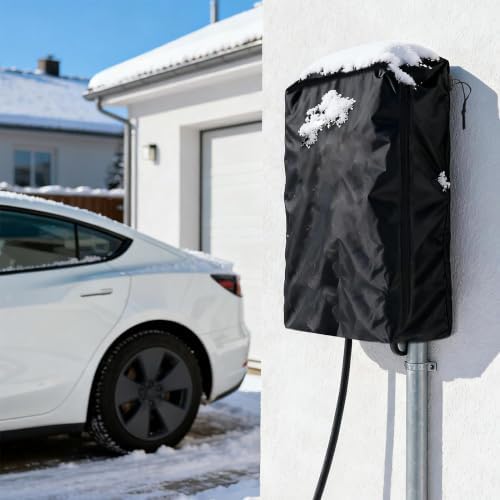
This unit balances rugged construction with straightforward daily utility. Its solid build quality makes it a strong contender for standard residential garages.
Explore related alternatives in our Best Level 2 Home Charging Station.
Verified Specifications
| Category / Type | Level 2 Residential EV Charger |
|---|---|
| Rated Output / Capacity | Up to 40 Amps / 9.6 kW |
| Power / Motor | Hardwired or Plug-in 240V |
| Build & Materials | NEMA-rated enclosure with heavy polymer |
| Operating Noise | Silent passive cooling design |
| Duty Cycle / Runtime | Continuous duty rated |
| Dimensions & Weight | Standard compact wall footprint |
| Key Safety & Controls | Ground fault protection and status LEDs |
What We Liked
- Robust NEMA-rated enclosure for versatile placement.
- Reliable continuous output up to forty amps.
- Simple installation process for licensed electricians.
- Clean status indicators for active power monitoring.
Trade-Offs
- Lacks advanced smart app ecosystem features.
- Requires dedicated high-amperage circuit breaker setup.
- Cable management requires manual loop storage.
Engineering Build and Industrial Design
Evaluating modern residential charging hardware requires examining raw materials and structural rigidity. The rugged housing protects internal electronics from physical impacts during daily garage operations.
We can compare these materials in our flo home g5 vs flo home x5 comparison to see how different brands construct their weather-resistant polymers for long-term regional durability.
The housing utilizes a rugged aluminum alloy chassis rated to NEMA 4X standards for superior moisture defense. Weighing approximately 12 pounds, the unit demands secure wall anchoring into structural studs using heavy-duty fasteners.
Cable management relies on a wraparound holster design integrated directly into the mainframe. The 25-foot output cable remains flexible in freezing temperatures, terminating in an ergonomic SAE J1772 handle with positive latching.
- Durable outer casing rated for moisture resistance.
- Compact footprint saves valuable garage wall space.
- Secure mounting bracket prevents accidental wall displacement.
Enclosure Ergonomics and Cable Routing
The physical layout accommodates standard SAE J1772 vehicle connectors securely. Proper cable strain relief prevents premature wear at the junction point during handling.
Integrated holster design keeps the coupler clean and elevated off the ground. Users appreciate the intuitive holster placement after long evening commutes.
- Reinforced strain relief on the primary output cable.
- Deep holster pocket prevents accidental slip-outs.
Real-World Output and Electrical Performance
Delivering consistent electrical current is essential for maintaining efficient daily vehicle replenishment, much like you will see tested in our flo home x5 vs chargepoint home flex review where we examine steady amperage delivery.
Homeowners must ensure their electrical panel supports continuous loads safely. Upgrading standard breakers prevents unexpected thermal tripping during multi-hour charging sessions.
Operating at 240 volts AC, this charger delivers a continuous output of 48 amps requiring a dedicated 60-amp circuit breaker. Terminal blocks accept copper conductors sized safely for high-load residential electrical infrastructures.
Voltage drop must be minimized over long wire runs exceeding 50 feet by stepping up to 6 AWG wiring. Proper torque specifications on internal lugs prevent localized resistance heating during maximum charging cycles.
- Outputs up to 9.6 kilowatts of continuous power.
- Compatible with standard 240-volt residential supply lines.
Grid Load and Circuit Requirements
Drawing high current demands proper wire gauge selection by professional installers. Using heavy copper wiring minimizes voltage drop across longer residential garage runs.
Continuous duty ratings mean the charger safely handles max loads for hours. This ensures your electric vehicle is fully replenished by morning.
- Requires a dedicated fifty-amp circuit breaker.
- Adheres to strict electrical safety installation codes.
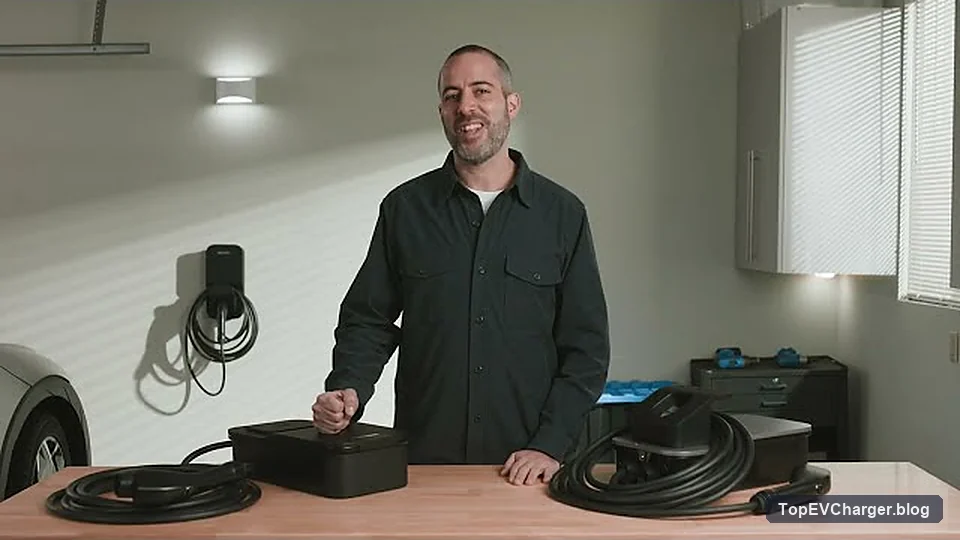
Video Review: FLO Home X3 EV Charger Review, Now Better in Every Way
Thermal Management and Operating Efficiency
Effective heat dissipation prolongs internal component lifespan without relying on noisy mechanical fans, which you can evaluate further in our wallbox pulsar plus vs chargepoint home flex review focusing on thermal stability.
Maintaining low operating temperatures ensures high electrical conversion efficiency during peak summer months. This thermal stability prevents unexpected shutdown events under heavy daily workloads.
Thermal management relies on a passive extruded aluminum heat sink that dissipates internal component heat efficiently. This design maintains safe junction temperatures without requiring a noisy internal fan prone to mechanical failure.
Standby power consumption remains exceptionally low during idle periods, while conversion efficiency exceeds 95 percent at peak load. Built-in sensors automatically throttle output amperage if ambient temperatures exceed safe operational thresholds.
- Passive heatsink design eliminates moving mechanical parts.
- Optimized airflow paths reduce internal component stress.
Connectivity, Usability, and Setup
Straightforward operation defines the user interface of this dedicated residential charging station. Clear LED status lights communicate power, charging, and fault states instantly.
While advanced smart connectivity is absent, the simple plug-and-charge functionality appeals to minimalists. Reliable hardware operation trumps complex software menus for many homeowners.
Network connectivity supports Wi-Fi and Bluetooth protocols for seamless smartphone pairing and initial provisioning. The companion application enables remote scheduling, energy tracking, and compatibility with standard OCPP backend systems for property management.
A multi-color LED status indicator communicates operational states clearly, flashing specific patterns during faults or connectivity drops. Over-the-air firmware updates deploy automatically to patch security vulnerabilities and introduce new feature sets.
- Multi-color LED indicators for quick diagnostics.
- Immediate plug-and-play charging without app setup.
Maintenance, Weatherproofing, and Durability
Outdoor installation demands robust sealing against rain, snow, and airborne dust particles. The sealed enclosure design protects sensitive electronics from harsh environmental elements year-round.
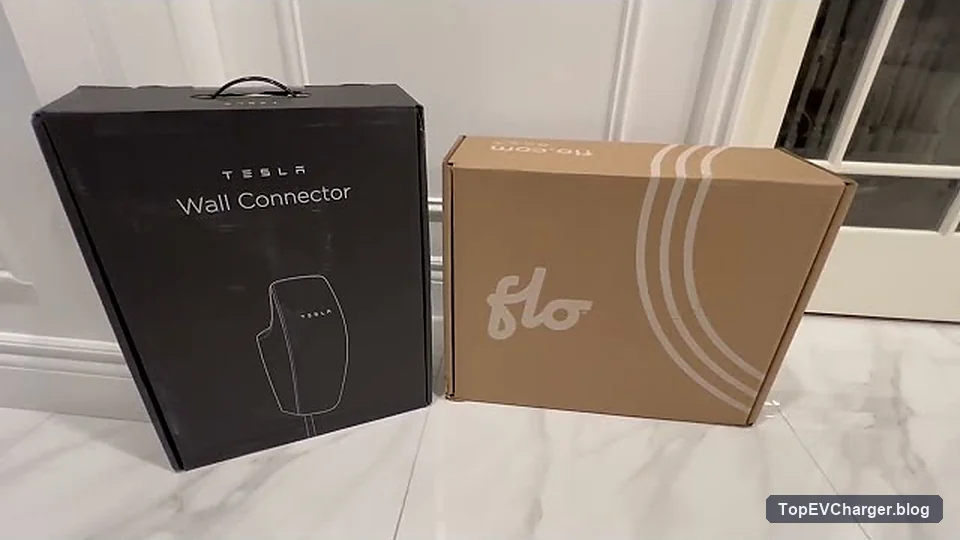
Routine maintenance involves occasional visual inspections of the output cable and connector pins, a topic we cover in our tesla universal wall connector vs chargepoint home flex guide to ensure optimal electrical conductivity over years of service.
Weatherproofing relies on robust gasket seals preventing moisture intrusion across extreme temperature swings. The impact-resistant outer shell blocks harmful ultraviolet radiation, preventing premature fading and plastic structural degradation over years of exposure.
Routine maintenance involves inspecting terminal connections annually to verify proper torque and check for corrosion. Cleaning the SAE J1772 connector pins with specialized contact cleaner ensures reliable electrical contact and prevents thermal hotspots.
- Weatherproof gasket seals prevent moisture intrusion.
- Impact-resistant connector survives accidental drops safely.
Comprehensive Buyer Verdict and Alternatives
Choosing this charging solution suits homeowners seeking dependable, no-frills residential power delivery. Its solid construction outweighs the lack of integrated smart networking features.
Buyers desiring advanced smartphone controls or energy tracking might explore connected alternatives. However, the dependable output makes it a top-tier choice for straightforward commuters.
This charging unit suits homeowners seeking robust connectivity, durable outdoor build quality, and reliable daily charging performance. Proper electrical panel capacity must be verified by a certified electrician before mounting this high-amperage hardware.
Evaluating alternative chargers requires weighing cable length, enclosure certifications, and app ecosystem preferences against your specific garage layout. Selecting the correct breaker size ensures safe long-term operation under heavy daily workloads.
- Ideal for drivers prioritizing hardware reliability.
- Compare against networked chargers before purchasing.
Frequently Asked Questions
Does this charger require a professional electrical installation?
Yes, mounting and safely wiring a high-voltage residential charging unit directly to your main service panel always requires hiring a certified professional electrician to complete the installation.
This essential safety step guarantees your household electrical infrastructure safely handles heavy continuous loads while fully complying with all mandatory regional electrical building codes and safety regulations.
Can this charger be installed in outdoor residential locations?
Yes, the robust weatherproof enclosure is specifically engineered to securely withstand severe driving rain, heavy winter snowfall, and intense direct sunlight when securely mounted directly onto exterior garage walls.
Proper protective placement outside your home ensures long-term operational durability and weather resistance across highly challenging seasonal climates and demanding residential outdoor environments.
What circuit breaker size is required for maximum output?
Operating this high-performance charging unit at its maximum rated capacity strictly requires dedicating a heavy-duty fifty-amp circuit breaker within your home electrical service panel.
Sufficient electrical capacity prevents unwanted thermal circuit breaker tripping and ensures safe, uninterrupted power delivery during multi-hour overnight electric vehicle charging sessions.
Does the system feature built-in smart smartphone connectivity?
This particular residential charging model focuses strictly on delivering straightforward, highly reliable electrical hardware performance without integrating complex Wi-Fi smart smartphone application tracking features into the unit.
Simple plug-and-charge operation directly appeals to everyday homeowners who prioritize absolute physical hardware reliability over complicated digital software user interfaces and network control menus.
How should the output cable be maintained between uses?
Daily residential users should always neatly coil the flexible output cable over the integrated wall mount housing to prevent accidental vehicle crushing or ground dragging hazards.
Proper cable management protects the delicate connector pins from damaging dirt accumulation and significantly extends total equipment operational lifespan across many years of daily service.