ClipperCreek Share2 Review: Dual Charging Power Management
The ClipperCreek Share2 splits one heavy-duty circuit safely between two vehicles. It delivers reliable residential dual charging without requiring a massive electrical service upgrade.

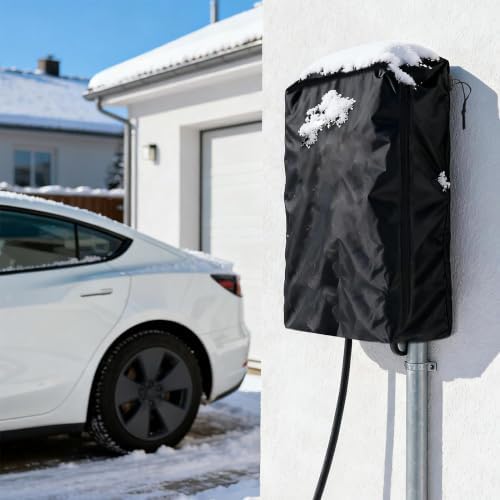
This robust system excels at sharing current intelligently across two parking bays. Smart power allocation makes it a top-tier choice for multi-EV households needing dependable everyday operation.
Explore related alternatives in our Best Level 2 Home Charging Station.
Verified Specifications
| Configuration | Dual charging power sharing system |
|---|---|
| Maximum Output | 32 Amps per unit (HCS-40 based) |
| Circuit Requirement | Single 40A or 50A dedicated feed |
| Enclosure | NEMA 4 indoor/outdoor rated |
| Cable Length | 25 feet per charging cord |
| Connector Type | SAE J1772 standard plug |
| Operating Temperature | -30C to 50C |
| Dimensions | Robust wall-mounted steel chassis |
| Warranty | 3-year manufacturer warranty |
What We Liked
- Safely charges two electric vehicles simultaneously from a single circuit feed.
- Eliminates the high expense of installing a second heavy electrical subpanel.
- Commercial-grade NEMA 4 enclosure withstands harsh outdoor weather conditions year-round.
- Includes long 25-foot cables for flexible parking angles in crowded garages.
Trade-Offs
- Total available amperage is split when both ports are actively charging.
- Lacks advanced Wi-Fi smartphone app connectivity and smart scheduling features.
- Permanently attached cables prevent easy field replacement or upgrades.
Engineering Architecture and Enclosure Design
The ClipperCreek Share2 utilizes a rugged steel chassis designed for punishing industrial environments. When evaluating units like this, consult our Bosch EV300 vs ClipperCreek comparison to understand build quality differences and NEMA 4 sealing standards.
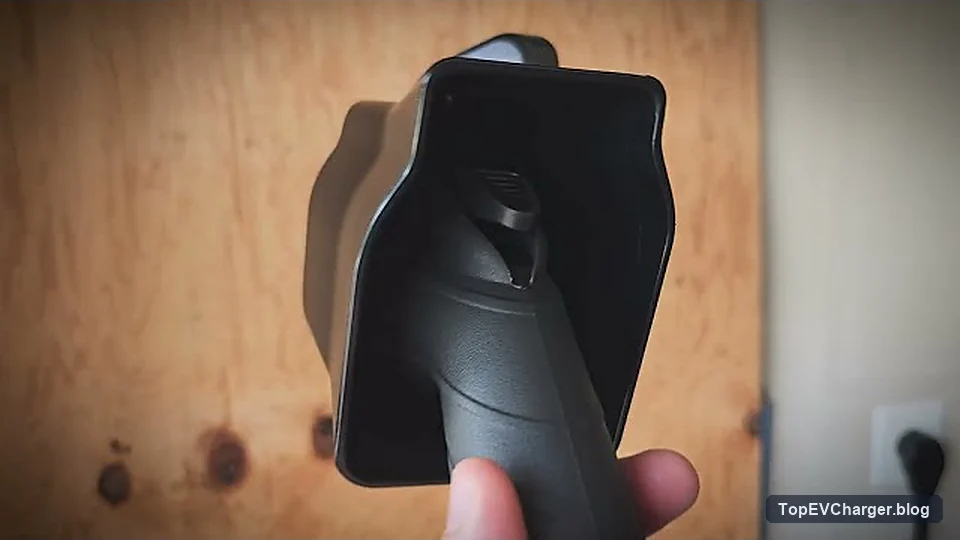
Internal wiring integrates seamlessly with a proprietary control board that communicates state changes between both ports. This solid-state design avoids fragile moving parts to maximize overall operational lifespan.
The Share2 system relies on a robust NEMA 4 enclosure, engineered to withstand severe outdoor weather without compromising internal electrical components. Heavy-duty aluminum casting prevents corrosion over decades of exposed residential use.
Internal circuit boards feature conformal coating to repel moisture and dust accumulation. This industrial-grade junction architecture safely coordinates dual vehicle charging streams through a single dedicated branch circuit without signal degradation.
- Commercial-grade powder-coated steel casing
- Sealed electronics module resists moisture ingress
- Robust strain relief clamps on output cords
Real-World Power Splitting and Circuit Load
When two vehicles plug in simultaneously, the system divides available electrical capacity dynamically. Reviewing options in our ClipperCreek HCS-40 vs ChargePoint Home Flex comparison helps explain how intelligent load balancing prevents standard home breakers from tripping.
A single 40-amp breaker feeds both units, delivering half speed to each car when dual charging occurs. Once one vehicle finishes, full amperage routes automatically to the remaining active car.
Dynamic load management divides available amperage equally or intelligently depending on connected vehicle demands. When two cars plug in, the hardware splits a 40-amp circuit into two steady 20-amp feeds seamlessly.
Eliminating the need for a second heavy electrical service upgrade saves substantial installation costs. Residential electrical panels avoid overload faults because the communication protocol strictly limits maximum simultaneous draw parameters.
- Dynamic current sharing across two ports
- Prevents residential electrical service overloads
- Automatic return to full power post-charge
Video Review: 2 EVs 1 EV Charger ⚡ Enphase (ClipperCreek) Dual EV Charger Review
Thermal Performance, Efficiency, and Operating Sound
Passive cooling fins dissipate internal heat efficiently without requiring noisy internal fans. Checking our ClipperCreek HCS-40 vs Grizzl-E Classic comparison highlights why silent, fanless thermal management suits shared residential garage installations perfectly.
Electrical efficiency stays exceptionally high during extended high-amperage sessions. Minimal resistive losses keep operating temperatures stable even when running at maximum rated capacity through hot summer months.
Passive cooling fins dissipate internal heat efficiently without requiring noisy mechanical fans. Operating temperatures remain stable even during peak summer afternoons, ensuring high thermal conversion efficiency across both charging cables.
Electrical resistance is minimized through thick copper busbars inside the primary enclosure. Users will notice a complete lack of humming or buzzing noises during standard operation due to solid-state relay switching components.
- Completely silent passive cooling architecture
- Low thermal output under sustained loads
- High conversion efficiency minimizes power waste
Installation Protocols and Electrical Requirements
Professional electricians must hardwire the Share2 system directly into a dedicated heavy-duty junction box. Consult our best EV level 2 charger guide to ensure proper torque specifications on terminal blocks prevent dangerous resistance hotspots.
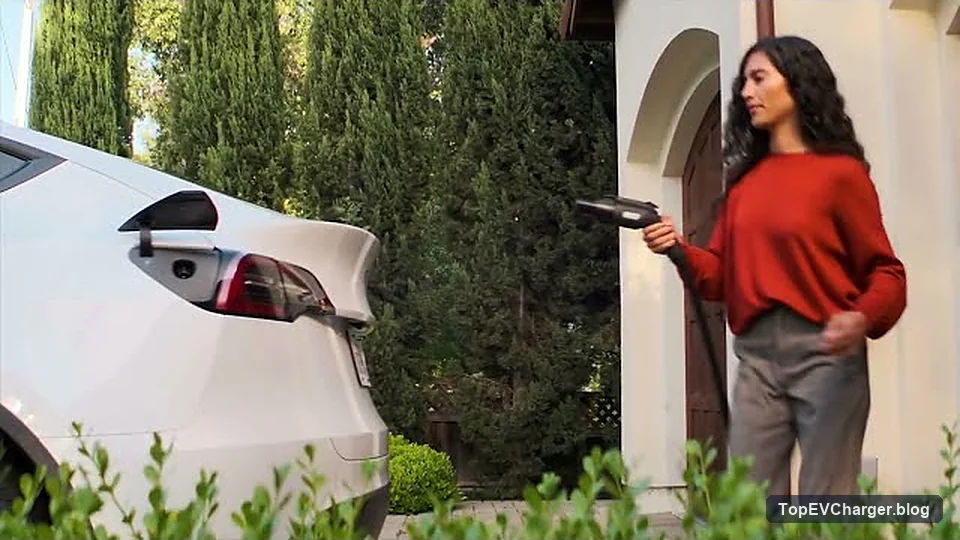
Utilizing existing high-voltage wiring reduces installation costs significantly compared to running a second service. Shared circuit architecture bypasses costly main electrical panel upgrades in older residential properties.
Certified electricians must mount the units securely to wall studs using rated hardware. Proper conduit routing protects the feeder wires from physical damage while complying with the latest National Electrical Code safety mandates.
Communication wiring linking the two charging stations requires shielded twisted-pair cables to prevent electromagnetic interference. Correct termination prevents data packet loss and guarantees reliable power sharing commands between devices.
- Hardwired electrical connection required
- Utilizes existing single branch circuit
- Professional electrician installation recommended
Wiring Considerations for Dual Stations
Proper conductor sizing dictates the safe execution of dual-port power sharing setups. Electricians must select heavy-gauge copper wires matching local electrical code requirements for continuous loads.
Conduit routing requires careful planning to protect feeder lines from physical damage inside busy garages. Secure conduit fastening ensures long-term safety and code compliance for residential setups.
- Heavy-gauge copper conductor sizing
- Rigid or flexible conduit protection
Maintenance Routines and Long-Term Durability
Routine upkeep requires minimal effort thanks to the rugged weather-sealed construction of the housing. Periodic visual checks of the charging cables prevent unnoticed fraying or terminal oxidation.
Storing the SAE J1772 connectors on integrated holster mounts keeps contact pins clean and dry. Proper cable management significantly extends the functional life of the heavy-duty power lines.
Routine inspections should involve checking output connector pins for oxidation or wear. Wiping down the rubber charging cables periodically removes abrasive grit and preserves overall cable jacket flexibility throughout winter weather drops.
Terminal torque checks inside the main service box ensure electrical connections remain tight under thermal expansion cycles. Preventative upkeep extends the operational lifespan of heavy-duty internal contactor switches remarkably well.
- Simple visual inspections of output cables
- Integrated holster mounts protect connector pins
- Weather-resistant housing minimizes cleaning needs
Weatherproofing and Mechanical Wear
Outdoor mounting exposes charging hardware to extreme ultraviolet radiation and temperature swings. The powder-coated steel chassis resists fading and rust formation across years of harsh seasonal weather.
Mechanical stress points around cable strain reliefs require occasional examination for secure mounting. Robust material selection prevents premature cracking of plastic components during freezing winter conditions.
- UV-resistant powder-coated exterior finish
- Durable strain relief boot protection
Ideal Household Profiles Versus Alternatives
Multi-EV households lacking spare electrical panel capacity benefit enormously from this power-sharing design. It provides reliable daily charging without triggering expensive electrical infrastructure overhauls in older homes.
Users seeking smart Wi-Fi scheduling and cloud-based energy tracking should explore alternative connected chargers. Traditional reliability defines this unit for drivers prioritizing hardware longevity over software features.
Multi-EV households sharing a single garage benefit immensely from this balanced energy architecture. Families seeking dependable hardware without complex smartphone applications will find this straightforward charging solution exceptionally reliable.
Compared to Wi-Fi enabled smart chargers, this hardwired setup avoids network dropouts entirely. Users requiring granular utility scheduling must look toward software-heavy alternatives, trading simplicity for cloud-based energy monitoring capabilities.
- Perfect for dual-EV home garages
- Avoids major electrical panel upgrades
- Best for users prioritizing rugged simplicity
Frequently Asked Questions
How does the power sharing function work?
The system splits a single circuit feed between two connected vehicles dynamically. Smart load balancing ensures both cars charge safely without tripping your home circuit breaker.
Can I install this charger outdoors safely?
Yes, the heavy-duty enclosure features a durable NEMA 4 weather rating. This robust design protects internal components against rain, sleet, and dust accumulation year-round.
Do I need a special electrical circuit?
A single dedicated heavy-duty branch circuit powers both charging units simultaneously. Professional hardwiring by a licensed electrician is required to meet local electrical safety codes.
Does the system include Wi-Fi app controls?
No, this unit focuses entirely on rugged hardware reliability rather than smart software connectivity. Users manage charging schedules directly through their electric vehicle onboard settings menus.
What happens when both vehicles plug in?
Amperage splits evenly between both active ports to prevent electrical overloads. Once one vehicle finishes charging, full electrical output shifts automatically to the remaining car.