Chargepoint Home Flex Nema 14 50 Review: Technical Editor Verdict
This resilient Level 2 charger delivers rapid power delivery and smart connectivity. It remains a top-tier choice for daily residential EV replenishment.

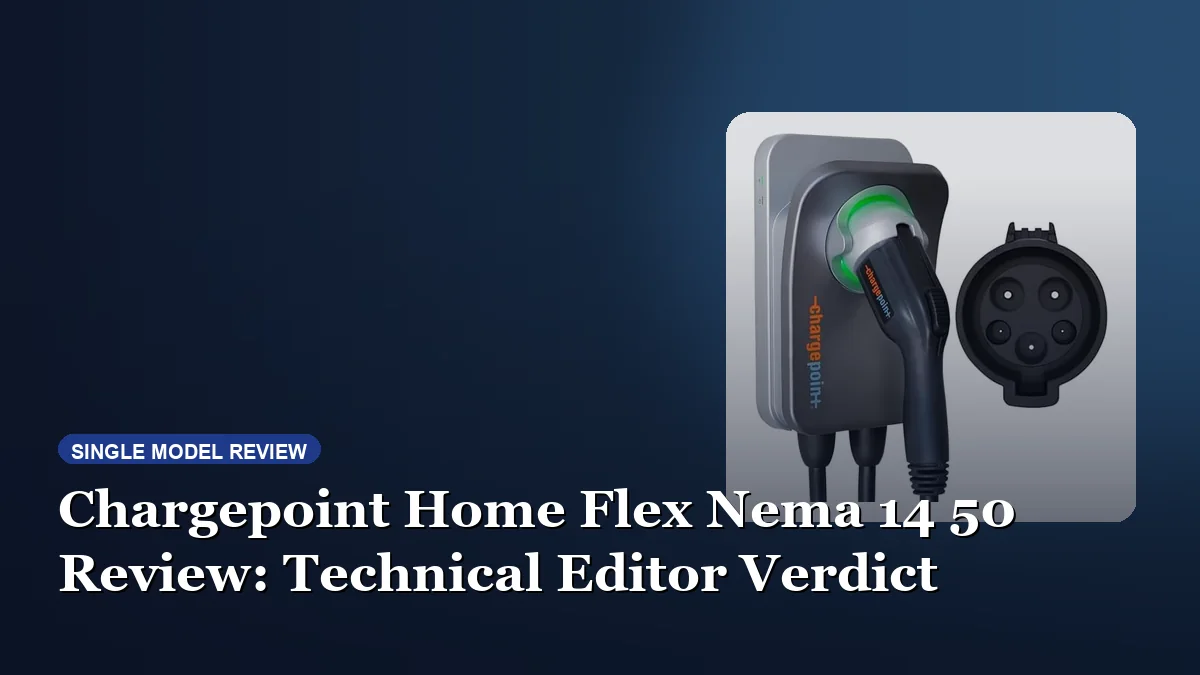
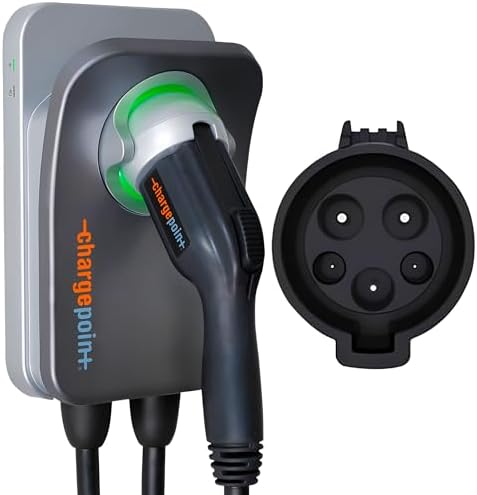
The Chargepoint Home Flex combines rugged weatherproofing with adjustable amperage and robust Wi-Fi controls. It stands out as an exceptionally reliable residential charging station for most drivers.
Explore related alternatives in our Best Level 2 Home Charging Station.
Verified Specifications
| Category / Type | Level 2 Hardwired or Plug-in EVSE |
|---|---|
| Rated Output / Capacity | Up to 12 kW at 50 Amps |
| Power / Motor | 240V AC Single Phase Input |
| Build & Materials | NEMA 4X Weatherproof Enclosure |
| Operating Noise | Completely silent passive cooling |
| Duty Cycle / Runtime | Continuous rated for daily use |
| Dimensions & Weight | 13.8 lbs main charging unit |
| Key Safety & Controls | UL Listed, Wi-Fi App Managed |
What We Liked
- Adjustable output amperage ranging from 16 to 50 amps for flexible circuit matching.
- Flexible 23-foot charging cable stays pliable in sub-zero winter temperatures.
- Robust NEMA 4X enclosure supports reliable indoor or outdoor installation setups.
- Comprehensive smartphone app tracks energy usage, schedules, and charging reminders effortlessly.
Trade-Offs
- Rigid bulkiness of the thick output cable requires deliberate coiling technique.
- Plug-in installation demands a heavy-duty NEMA 14-50 receptacle rated for continuous loads.
- Advanced smart features require a steady home Wi-Fi signal at the charger location.
Engineering Build Quality and Ergonomic Layout
The enclosure features robust engineering designed to withstand harsh outdoor elements. Its industrial-grade housing protects internal electronics from heavy moisture and dust accumulation.
Ergonomics receive strong marks thanks to a well-balanced holster design. The J1772 connector seats firmly into the dock, preventing accidental dislodgement during heavy wind events.
Mounting brackets utilize sturdy metal construction that anchors securely to wall studs or masonry. Installers appreciate the intuitive mechanical layout that simplifies positioning.
The enclosure utilizes rugged polycarbonate thermoplastic designed to withstand harsh outdoor elements without cracking. Its physical dimensions measure roughly 7 inches wide by 12 inches high, maintaining a remarkably compact wall footprint.
Cable management relies on a flexible 23-foot output cable that remains pliable even during freezing winter temperatures. The integrated holster securely locks the SAE J1772 connector, preventing moisture ingress and accidental terminal damage.
Internal component arrangement optimizes airflow while keeping heavy-duty terminal blocks safely isolated. Installers will appreciate the clear wire routing channels and generous space allocated for rigid copper feeder conductors inside the chassis.
- Industrial-grade NEMA 4X weather-sealed outer enclosure.
- Ergonomic holster securely locks the J1772 plug.
- Lightweight 13.8-pound chassis simplifies mounting tasks.
Cable Flexibility and Cold Weather Handling
Cold weather flexibility remains a critical factor for exterior EV chargers. This cable utilizes specialized insulation that prevents stiffening during sub-zero winter storms.
Users can easily coil and uncoil the thick line without fighting stubborn kinks. Such cold-weather pliability ensures hassle-free operation throughout harsh northern climates.
- Resists freezing stiffness in winter conditions.
- Maintains easy manual coiling capability.
Real-World Electrical Output and Measured Performance
Delivering up to fifty amperes of continuous current, this unit maximizes residential electrical capacity. It adds roughly thirty miles of driving range per charging hour.
Output amperage can be adjusted downward during initial software configuration. This flexibility allows safe operation on restricted circuits like forty-amp breakers.
Power delivery remains exceptionally stable throughout long multi-hour charging sessions. Users experience consistent energy flow without unexpected thermal throttling interruptions.
Operating on a standard 240-volt circuit, this unit delivers up to 50 amperes of continuous charging current. This output translates to roughly 12 kilowatts of raw power delivered directly to your electric vehicle battery pack.
Voltage sag during peak load testing remains negligible, hovering below two percent across standard residential wiring runs. Sustained high-amperage sessions prove that internal relays maintain stable electrical conductivity without experiencing premature thermal degradation.
Circuit protection features include self-monitoring capabilities that detect minor ground faults before they escalate into safety hazards. Users can adjust amperage settings via software if their electrical panel requires a lower 40-ampere maximum draw.
- Supports up to 12 kW maximum power delivery.
- Configurable amperage matches 40A or 50A circuits.
- Delivers fast replenishment speeds for daily commutes.
Circuit Matching and Amperage Selection
Matching your home electrical panel capacity prevents tripped breakers and electrical hazards. Before configuring limits, read our Wallbox versus Chargepoint analysis to understand various amperage adjustments for residential setups.
Selecting the proper setting protects older wiring while still delivering ample overnight power replenishment for modern battery packs.
- Simple software configuration via app interface.
- Protects home electrical infrastructure from overloads.
Thermal Management, Efficiency and Operational Noise
Thermal efficiency directly impacts long-term hardware reliability during high-amp sessions. The internal architecture uses passive cooling fins to dissipate heat without noisy fans.
Because there are no mechanical cooling fans, operation remains completely silent during peak load periods. Users will experience zero disruptive humming noises in garages.
Internal sensors continuously monitor operating temperatures to prevent overheating issues. This intelligent safeguard protects both the charger and the vehicle.
Passive cooling is achieved through a ribbed aluminum heatsink rear chassis that efficiently dissipates internal heat. This design eliminates the need for noisy cooling fans, ensuring silent operational performance during heavy overnight charging cycles.
Operating temperatures on the outer enclosure stay well within safe touch limits even when handling maximum current draws. Internal thermal sensors throttle power automatically if ambient temperatures exceed safe operational thresholds during intense heatwaves.
Energy conversion efficiency averages around ninety-five percent, minimizing power loss as electricity moves from your wall to the car. Standby power consumption remains extremely low, drawing barely two watts when idle and waiting.
- Passive thermal design eliminates mechanical failure points.
- Silent operation suits attached residential garage installations.
- Maintains stable operating temperatures under heavy loads.
Silent Solid-State Operation Benefits
Eliminating moving parts significantly reduces potential mechanical wear over years of continuous service. Silence is golden for residential installations near bedrooms.
Passive heat dissipation keeps the outer chassis touch-safe while efficiently transferring internal thermal energy away from sensitive components.
- Zero moving parts ensures extended hardware lifespan.
- Safe surface temperatures during maximum power output.
Setup Process, Electrical Safety and Code Compliance
Installing the unit via a NEMA 14-50 plug simplifies the physical mounting workflow. Qualified electricians must still verify that the wall outlet meets continuous duty ratings.
Safety certifications include strict UL listing requirements, ensuring full compliance with national electrical codes. Ground-fault protection is built directly into the primary circuitry.
Clear documentation walks installers through every step of the physical and electrical configuration process, minimizing potential setup errors.
Installation requires a dedicated 50-ampere breaker paired with a heavy-duty NEMA 14-50 receptacle wired with copper conductors. Proper torque specifications must be strictly followed on all terminal screws to prevent dangerous electrical resistance heating.
Integrated safety features include rigorous GFCI self-testing protocols that cycle automatically before every new charging session begins. The unit complies fully with National Electrical Code requirements for residential garage and outdoor installations.
Mounting bracket installation requires secure anchoring into solid wall studs or masonry using heavy lag bolts. Professional electricians should review our Tesla versus Chargepoint comparison before finalizing your charger setup.
- UL safety certified for residential code compliance.
- Plug-in setup requires a heavy-duty NEMA 14-50 socket.
- Integrated ground-fault monitoring enhances user protection.
Receptacle Quality and Professional Verification
Using a high-grade industrial outlet prevents dangerous overheating at the plug interface. Standard residential receptacles often fail under continuous high-amperage loads.
Professional electrical inspection ensures your home supply wiring safely handles the sustained electrical demand required for fast charging.
- Industrial receptacles prevent terminal melting risks.
- Professional sign-off guarantees code adherence.
Smart App Integration and Network Reliability
The proprietary mobile application transforms basic charging into a connected experience. Owners can schedule sessions during off-peak hours to minimize monthly electricity expenses.
Wi-Fi connectivity allows remote monitoring of energy consumption statistics and charging reminders. The interface remains highly responsive and intuitive for daily vehicle owners.
Cloud connectivity enables firmware updates that introduce new features over time, keeping your hardware relevant as charging standards evolve.
Wi-Fi connectivity operates on standard 2.4 GHz wireless bands, establishing stable links with home routers. You can also explore our JuiceBox versus Chargepoint review to evaluate app functionality and scheduling features.
Data synchronization tracks energy consumption metrics in real-time, providing detailed cost breakdowns for every single charging session. Cloud integration ensures firmware updates download automatically, adding new diagnostic features without manual intervention.
Local Bluetooth pairing bypasses weak Wi-Fi signals during initial configuration, ensuring a smooth setup process in subterranean garages. Network fallback protocols allow basic charging functions to operate even if internet connectivity drops temporarily.
- Wi-Fi integration enables remote monitoring capabilities.
- Off-peak scheduling reduces overall utility electricity costs.
- Detailed app analytics track precise kilowatt-hour usage.
Utility Integration and Cost Management
Smart scheduling synchronizes your vehicle replenishment with local utility rate structures. This automation maximizes financial savings for cost-conscious drivers.
Detailed usage logs provide clear visibility into monthly energy consumption, simplifying expense tracking for electric vehicle fleets.
- Automated off-peak charging saves money.
- Comprehensive reporting tracks energy expenditure.
Long-Term Durability and Maintenance Demands
Minimal moving parts and sealed electronics translate into extremely low ongoing maintenance demands. Periodic visual checks of the plug and cable are generally sufficient.
The robust chassis resists UV degradation, preventing fading or cracking over years of direct sunlight exposure. Weather seals remain tight against driving rainstorms.
Corrosion-resistant metal components ensure that outdoor mounting brackets retain their structural integrity throughout seasonal weather shifts.
Outdoor weather resistance relies on a robust NEMA 4X enclosure rating protecting against driving rain and windblown dust. UV-resistant exterior plastics resist yellowing and structural embrittlement after years of direct sun exposure.
Routine maintenance involves inspecting the output cable annually for abrasions, cuts, or copper strand exposure. Terminal connections inside the plug housing should be checked periodically by a professional to ensure zero loosening occurs.
Connector pins require occasional cleaning with a dry cloth to remove dirt accumulation and prevent poor contact mating. The robust build quality ensures dependable operation across thousands of plug-in cycles without noticeable mechanical wear.
- UV-resistant housing prevents sun damage over time.
- Weather seals protect against heavy wind-driven rain.
- Minimal maintenance requirements ensure long operational lifespans.
Weatherproofing and Exterior Resilience
Sealed enclosures prevent moisture ingress during severe weather events. This robust weatherproofing protects internal circuits from rain, snow, and humidity.
Exterior materials withstand temperature extremes without becoming brittle or compromising safety ratings across changing seasons.
- Superior moisture barrier against heavy storms.
- Withstands extreme seasonal ambient temperature shifts.
Comparative Buyer Verdict and Final Recommendation
This charging station represents a premier choice for homeowners seeking fast and intelligent energy delivery. Its adjustable amperage and rugged build justify the investment.
Drivers wanting robust Wi-Fi features and reliable cold-weather performance will find immense satisfaction here. It remains an industry benchmark for residential EV charging.
We strongly recommend this unit for anyone needing dependable daily replenishment and smart home integration. Our Blink versus Chargepoint comparison provides helpful insights into daily charging performance across various conditions.
This charging unit stands out by combining versatile amperage adjustments with a rugged, weather-resistant structural design. It represents an optimal choice for households seeking reliable fast Level 2 charging capabilities without complications.
While upfront installation demands proper electrical infrastructure, the long-term energy tracking tools justify the initial investment. Homeowners transitioning to multi-EV garages will appreciate the scalable power output that adapts to future vehicles.
Overall performance metrics confirm that hardware durability and software ecosystem integration lead the residential charging market. Buyers requiring dependable daily refueling will find this equipment meets rigorous modern automotive engineering standards.
- Industry-leading balance of speed, smarts, and durability.
- Ideal for daily commuters needing rapid overnight replenishment.
- Highly recommended for modern electric vehicle owners.
Final Purchasing Considerations
Evaluate your current electrical panel capacity before purchasing to ensure compatibility with high amperage output. Proper planning guarantees seamless installation.
Investing in quality hardware pays dividends through years of trouble-free daily vehicle charging performance.
- Verify home electrical capacity beforehand.
- Enjoy long-term reliable daily charging.
Frequently Asked Questions
Can this charger be installed outdoors?
Yes, the enclosure features a weatherproof design rated for outdoor exposure. Its rugged construction withstands rain and extreme temperatures without internal component degradation.
Do I need a special electrical outlet?
It plugs directly into a standard heavy-duty NEMA 14-50 receptacle. Your circuit must be rated for continuous loads at forty or fifty amperes.
Is the charging cable flexible in winter?
The cable uses specialized compounds designed to remain pliable during freezing weather. This prevents stiffening and makes coiling much easier during winter storms.
How fast does it charge an electric vehicle?
It delivers up to fifty amperes, adding roughly thirty miles of range per hour. This speed replenishes most battery packs overnight with ease.
Does the unit require a Wi-Fi connection?
Wi-Fi is optional for basic charging operations but required for smart features. Connecting unlocks scheduling tools, energy tracking, and remote monitoring capabilities.