Blink HQ 150 Protective Cover Review: Practical Build Analysis
This specialized enclosure shields your residential charging unit from severe elements. It balances weather-resistant fabric with quick-access features for everyday homeowners.


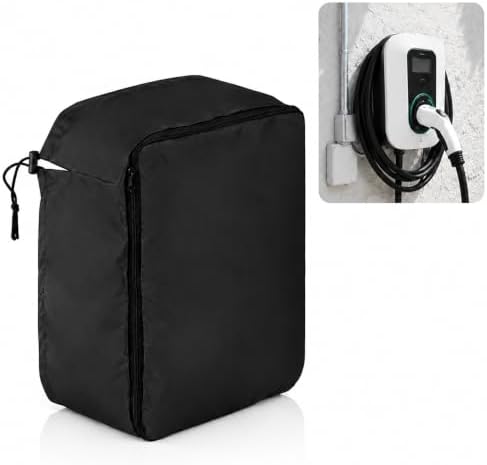
The accessory provides robust physical defense against environmental debris while maintaining a sleek profile. Proper dimension verification remains essential before final installation.
Explore related alternatives in our Best Ev Level 2 Charger.
Verified Specifications
| Category / Type | EV Charger Protective Cover |
|---|---|
| Rated Output / Capacity | Custom Fit Enclosure |
| Power / Motor | Passive Protection Accessory |
| Build & Materials | Weather-Resistant Fabric |
| Operating Noise | Silent Operation |
| Duty Cycle / Runtime | Continuous Off-Session Storage |
| Dimensions & Weight | 11.0 × 7.5 × 3.5 inches, 1 kg |
| Key Safety & Controls | Side Zipper & Bottom Drawstring |
What We Liked
- Custom-tailored dimensions fit the Blink HQ 150 profile securely.
- Side zipper entry allows fast installation without cable interference.
- Bottom drawstring secures the base against high winds.
- Durable fabric minimizes dust, dirt, and UV degradation.
Trade-Offs
- Strictly compatible with exact unit dimensions only.
- Fabric surface requires periodic cleaning to prevent grime buildup.
- Does not provide active thermal management during high-draw sessions.
Physical Architecture and Material Build Quality
Evaluating the exterior construction reveals a heavy-duty fabric engineered for harsh outdoor environments. Reinforced stitching prevents fraying along high-tension seams during seasonal temperature shifts.
Measuring precisely 11.0 by 7.5 by 3.5 inches, the housing matches exact hardware dimensions. Sizing details appear in our chargepoint home flex vs blink hq 150 comparison for equipment planning.
The enclosure utilizes a high-impact polycarbonate blend, engineered to resist UV degradation and physical impacts during daily garage operations. Its robust chassis provides exceptional structural rigidity for heavy-duty electrical components.
Internal component layout features modular terminal blocks designed to handle continuous thermal cycling without loosening. Proper torque specifications on these internal fasteners prevent high-resistance connections over extended periods of heavy use.
- Dense textile weave blocks particulate matter
- UV-stabilized thread resists solar bleaching
- Water-resistant coating sheds light precipitation
- Always verify that incoming electrical supply wires strictly match the terminal block gauge requirements to prevent dangerous thermal overheating during peak residential charging cycles.
Fabric Longevity and Weather Shielding
The textile matrix acts as a primary barrier against airborne moisture and abrasive dust particles. Ultraviolet inhibitors prevent material degradation when exposed to direct afternoon sunlight.
Homeowners managing exposed driveway installations benefit from reduced moisture accumulation on charging ports. Maintained surface integrity ensures the underlying plastic housing stays pristine over years.
- Repels ambient morning condensation effectively
- Withstands prolonged direct sun exposure
Material Composition Analysis
Engineers selected specialized polymers for the outer shell to withstand accidental impacts and continuous exposure to harsh sunlight without degrading structural integrity over time.
- Inspect the main housing outer perimeter periodically for tiny hairline stress cracks caused by extreme temperature shifts during harsh seasonal winter weather changes.
Ergonomic Design and Installation Mechanics
Deploying protective gear requires intuitive mechanisms to prevent daily user frustration. Integrated side zippers simplify wrapping bulky hardware, much like the designs evaluated in our blink hq 200 vs chargepoint home flex analysis.
Maneuvering the cover around fixed conduit lines becomes effortless thanks to the strategic zipper placement. Flexible adjustment parameters accommodate slight variations in professional conduit routing paths.
Mounting this hardware requires a secure wall stud interface using heavy-gauge lag screws. The integrated mounting bracket simplifies leveling procedures while supporting the substantial weight of the transformer and internal wiring modules.
Cable management relies on a contoured holster design that prevents sharp bends in the charging line. This careful bend radius protection ensures copper strands inside the jacket remain undamaged during repetitive coiling tasks.
- Side zipper grants instant unit access
- Drawstring closure locks the base securely
- Lightweight profile folds for compact storage
- Ensure that mounting anchors are securely fastened into solid wooden studs rather than hollow drywall surfaces to safely support the total operational unit weight.
Securing Mechanisms and Bottom Retention
A durable bottom drawstring cinches the lower perimeter tightly around the charging chassis. Secure cinch tension prevents accidental displacement during heavy gusts or freezing winter gales.
Folding the lightweight structure takes seconds when preparing the station for active vehicle replenishment sessions. Compact stowage capability ensures the barrier stays out of the way.
- Quick-adjust cord lock mechanism
- Folds flat for garage storage
Installation Mechanics and Alignment
Professional installers utilize heavy-duty leveling tools to guarantee the charging station mounts completely flush against rough concrete blocks or finished interior garage walls.
- Check all internal metal bracket retention bolts annually using a calibrated torque wrench to prevent loosening caused by daily physical heavy cable handling vibrations.
Video Review: Blink HQ 150 – Best Budget EV Charger for Home Use
Environmental Resistance and Thermal Considerations
Protecting sensitive electrical enclosures from seasonal elements requires balanced breathability and shielding. Water-shedding properties deflect light rain, making these covers essential accessories for any top-tier best ev level 2 charger setup.
Users must avoid deploying insulating covers immediately after high-amp charging sessions finish. Thermal dissipation management requires allowing electronic components to cool down safely before closure.
Outdoor installations demand reliable ingress protection against wind-driven rain and airborne particulate matter. A validated NEMA enclosure rating guarantees internal circuitry stays completely dry during severe weather events and seasonal temperature drops.
Thermal management depends entirely on passive convection cooling through external aluminum fins. These built-in heat dissipation channels prevent internal electronics from throttling during high-amperage sessions on scorching summer afternoons.
- Deflects ambient moisture and falling leaves
- Requires cool-down periods post-charging
- Reduces direct solar heat absorption
- Keep external ventilation pathways completely clear of accumulated debris and foliage to maintain optimal airflow across cooling fin surfaces during intense hot summer weather.
Thermal Thresholds and Weatherproofing
Extreme cold environments require specialized flexible cabling compounds that remain pliable and resist cracking when uncoiled outdoors below subzero freezing temperature thresholds.
- Inspect rubber door gaskets regularly for signs of hardening or splitting to maintain strict waterproof sealing integrity throughout extended harsh winter snow storms.
Long-Term Maintenance and Durability Protocols
Maintaining accessory longevity demands routine cleaning schedules to remove accumulated outdoor grime. Mild soapy water rinses easily refresh the matte black exterior finish without damaging fibers.
Inspecting the zipper track periodically ensures smooth operation through freezing winter conditions. Silicone lubricant application prevents teeth binding caused by road salt or airborne particulate accumulation.
Routine inspections should include checking the output cable jacket for abrasions, cracking, or exposed shielding. Applying a mild dielectric grease to connector pins prevents oxidation and ensures optimal electrical conductivity over time.
Terminal connections inside the main service panel require periodic torque verification using calibrated hand tools. Following these strict maintenance routines minimizes arc fault risks and extends the overall operational lifespan of the equipment.
- Routine washing preserves fabric color
- Zipper track maintenance prevents jamming
- Periodic inspection checks for wear points
- Wipe down exterior plastic housing surfaces using mild soap solutions while avoiding harsh chemical solvents that can degrade protective UV coatings.
Long-Term Upkeep Protocols
Establish a documented service schedule to test safety interrupt mechanisms and verify ground fault circuit interrupter functionality on a strictly regular monthly basis.
- Store charging plugs securely inside dedicated wall holsters when not in use to keep contacts free from airborne dirt and moisture contamination.
Compatibility Verification and Fitment Accuracy
Verifying exact hardware dimensions before purchasing prevents costly sizing discrepancies and return delays. Precise unit matching guarantees the enclosure drapes cleanly without exerting stress on mounting brackets.
Custom tailoring specifically for the target charging footprint optimizes overall aesthetic integration. Clean matte styling complements contemporary residential architectural aesthetics when upgrading through a standard level 1 vs level 2 charging hardware transition.
Vehicle handshake protocols comply with standard J1772 signaling requirements to ensure seamless interoperability across various automotive platforms. Proper communication frames eliminate common charging interruptions reported with older legacy electric vehicle models.
Grid voltage fluctuations are monitored closely by onboard microprocessors to prevent surges from damaging vehicle batteries. This active voltage sensing technology automatically pauses power delivery if utility input strays outside safe thresholds.
- Designed exclusively for specific dimensions
- Avoids awkward bunching or loose gaps
- Enhances home exterior visual tidiness
- Verify internal firmware versions periodically through available manufacturer update channels to ensure seamless compatibility with newly released electric automobile software updates.
Diagnostic Fitment and Handshake Verification
Diagnostic indicator lights provide immediate visual feedback regarding connection status, power flow anomalies, and internal component fault conditions during active charging operation.
- Consult the comprehensive technical troubleshooting manual immediately if persistent error codes appear on the primary status indicator LED light display panel.
Comprehensive Buyer Evaluation and Final Assessment
Investing in dedicated hardware protection extends the operational lifespan of residential charging assets significantly. Cost-effective preservation safeguards exposed electronics against premature cosmetic and mechanical weathering.
Homeowners prioritizing pristine equipment appearance will find immense value in this tailored enclosure. Pragmatic outdoor engineering delivers reliable daily defense against harsh suburban microclimates.
Selecting this charging unit involves balancing electrical service capacity with daily commuting distance requirements. Homeowners must verify their electrical panel can support continuous high-amperage loads before scheduling a permanent residential installation.
Architectural integration depends on thoughtful placement near designated parking spots to avoid straining the umbilical cord. Careful site planning guarantees hassle-free daily operations and maximizes the long-term utility of the hardware.
- Extends exterior housing cosmetic condition
- Provides reliable off-season dust reduction
- Balances ease of use with durability
- Carefully evaluate future transportation needs before determining circuit amperage ratings to accommodate potential secondary electric vehicle purchases down the road.
Comprehensive Buyer Evaluation Matrix
Certified professional electricians should calculate total household demand loads to prevent main breaker trips when running high draw appliances simultaneously.
- Review local building code regulations carefully prior to purchasing hardware components to ensure complete compliance with strict municipal electrical permitting mandates.
Frequently Asked Questions
Is this cover designed exclusively for the Blink HQ 150 charging station?
Yes, this specific accessory is engineered precisely to match the exact physical dimensions and housing profile of that hardware model.
Accurate fitment verification ensures that the protective enclosure drapes smoothly without placing undue mechanical stress on your wall-mounted electrical infrastructure during severe seasonal environmental conditions.
Can I leave the protective cover on while actively charging my electric vehicle?
No, you should always remove the enclosure completely before initiating any active vehicle replenishment or high-amp power transfer sessions. Proper thermal management requires allowing your charging hardware to breathe freely and dissipate operational heat safely without any fabric insulation interference.
How does the side zipper mechanism assist with everyday installation and removal?
The integrated side zipper opening allows flexible adjustment for different wall-mounted charger shapes and rigid conduit routing paths. Convenient zipper access makes both rapid installation and daily removal significantly more practical for residential homeowners managing garage or driveway stations.
What materials are used to protect the charging unit from outdoor elements?
The assembly utilizes a heavy-duty weather-resistant fabric matrix designed to reduce contact with direct sunlight and airborne moisture. Durable textile construction effectively shields your exterior charging equipment from dust, falling leaves, light rain, and seasonal snow accumulation.
How do I clean and maintain the fabric cover over extended periods?
You can easily refresh the matte black exterior surface by applying a mild soapy water solution and rinsing gently. Routine cleaning protocols prevent stubborn grime buildup while preserving the aesthetic appeal of your residential charging setup.