What Size Breaker For 40 Amp EV Charger Circuit Rules
Selecting the correct circuit breaker prevents electrical failures and equipment damage. Understanding local electrical codes ensures safe and reliable home vehicle charging every single day.

You need a 50 amp breaker for a 40 amp EV charger to safely handle continuous electrical loads under the National Electrical Code requirements.
Looking for matching picks? See our Best 32 Amp Ev Charger.
Practical Quick-Reference Table
| Scenario / Metric | Recommended Target | Why It Matters |
|---|---|---|
| Charger Output | 40 Amps | Delivers rapid residential vehicle power safely. |
| Breaker Size | 50 Amps | Complies with the NEC continuous load rule. |
| Wire Gauge | 6 AWG Copper | Prevents dangerous heat buildup in walls. |
| Connection Type | Hardwired or NEMA 14-50 | Handles high thermal output reliably. |
| Voltage Supply | 240 Volts | Standard residential level two power standard. |
| Panel Capacity | 100A to 200A | Ensures home can support simultaneous loads. |
NEC 625.42 and Continuous Electrical Load Demands
Residential electric vehicle supply equipment operates under strict national regulations. The National Electrical Code requires specific sizing formulas to ensure safety during prolonged energy delivery sessions.
Continuous loads run for three hours or longer without stopping. Because electric vehicles draw maximum current for extended periods, circuits experience sustained thermal stress every single day.
Failing to account for this continuous draw leads to tripped breakers or melted insulation. Proper engineering demands applying a mandatory multiplier to protect your household wiring infrastructure completely.
Inspectors look closely at these calculations during permit reviews. Following established electrical codes guarantees your charging station operates reliably without risking unexpected property damage or hazards.
The National Electrical Code classifies electric vehicle supply equipment as a continuous load. This requires conductors and circuit breakers to handle maximum output plus a safety margin lasting past three hours.
Article 625.42 dictates that EV chargers operate at eighty percent of their maximum branch circuit rating. Therefore, a forty-amp charging device inherently demands a minimum fifty-amp dedicated supply circuit configuration.
Thermal expansion occurs inside residential breaker panels when high amperage draws persist for hours. Designing systems strictly around NEC requirements mitigates risks of premature breaker tripping and insulation degradation.
Failing to account for continuous load multipliers often triggers thermal magnetic trips. Review our 50 amp vs 60 amp breaker ev charger analysis to ensure downstream equipment matches your capacity limits.
- Continuous loads require specialized circuit protection.
- National Electrical Code governs residential EV hardware.
- Sustained draw creates significant thermal energy inside walls.
- Proper permits ensure compliance with local building codes.
The 125% Multiplier Rule Explained
The mathematical formula multiplies your charger output by one point two five. This rule scales up component ratings to prevent overheating during multi-hour charging sessions.
Applying this factor translates directly into selecting oversized circuit breakers. Never install a breaker that matches your charger output without this mandatory safety buffer applied.
- Mandatory math protects home wiring systems.
- Multipliers prevent overheating during long charges.
Calculating Circuit Breaker Amperage Requirements
Determining the right breaker involves simple multiplication. Take your charger maximum continuous amperage rating and multiply that specific number by one point two five.
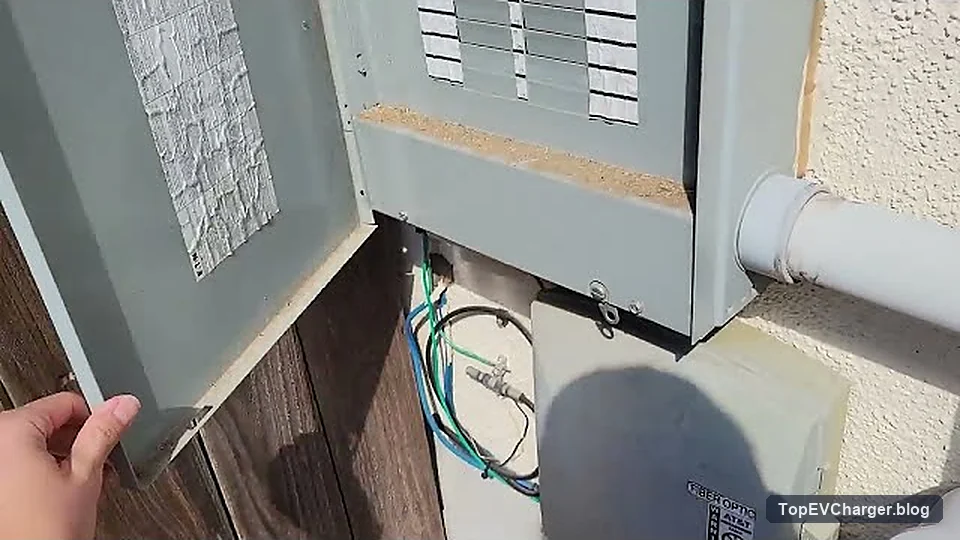
For a forty amp charging device, forty multiplied by 1.25 equals fifty amps. This exact calculation dictates why a standard forty amp breaker is insufficient.
Installing an undersized protective device causes nuisance tripping. The thermal breaker mechanism detects sustained forty amp currents and shuts off power to prevent wire degradation.
Always match your breaker to the calculated continuous load value. This prevents premature equipment wear and maintains a steady electrical current throughout every single charging cycle.
Determining correct breaker sizing requires applying the standard 125% multiplier mandated by electrical safety codes. Multiply forty amps by one point two five to reach the mandatory fifty-amp threshold.
Standard residential panels accommodate double-pole breakers designed to supply 240 volts across dual ungrounded hot conductors. This balanced power delivery reduces overall current draw per individual wire strand.
Never install an undersized breaker on a continuous circuit because sustained loads trigger protection. Compare requirements using our 40 amp vs 50 amp breaker ev charger guide before purchasing hardware.
Consult local building authorities before starting any major electrical modification project. Municipal amendments occasionally impose stricter guidelines regarding panel capacities, rapid shutdown switches, and conduit routing methods.
- Multiply charger amperage by 1.25 for safety.
- A 40A charger demands a 50 amp breaker.
- Undersized breakers trigger frequent nuisance shutdowns.
- Correct math prevents thermal damage to panels.
Common Misconceptions About Breaker Sizing
Many homeowners mistakenly assume matching breaker and charger amperages is safe. This common error ignores the rigorous demands placed on residential electrical infrastructure over time.
Relying on exact amp matches violates foundational safety codes. Always consult licensed electricians or official documentation before purchasing any residential electric vehicle charging equipment.
- Exact matches violate electrical safety codes.
- Always consult certified professionals before setup.
Video Walkthrough: Watch THIS before Selecting your EV Charger Circuit Breaker Size DIY
Wire Gauge Selection and Voltage Drop Factors
Selecting appropriate wire thickness matters just as much as breaker sizing. A fifty amp circuit paired with a 40 amp load requires robust copper conductors to handle current.
Most professional installations rely on six gauge copper wiring. Aluminum wire requires larger sizing due to higher resistance and must use anti-oxidant paste at terminal connections.
Long wire runs introduce voltage drop that reduces charging efficiency. Installers calculate distance to ensure the delivered voltage stays within acceptable limits for your specific vehicle.
Undersized wires act like heating elements inside your walls. Investing in thick conductors ensures energy transfers efficiently from your main electrical panel to the vehicle port.
Running power over extended distances introduces electrical resistance that causes noticeable voltage drop. For a fifty-amp circuit, using 6 AWG copper wire prevents excessive heat generation and energy loss.
Aluminum conductors require larger cross-sectional areas compared to copper due to higher internal electrical resistance. Installers choosing aluminum must step up to 4 AWG conductors for safe fifty-amp delivery.
Temperature ratings on wire insulation markings dictate maximum allowable ampacity under various environmental conditions. Select THHN copper wire rated for ninety degrees Celsius when routing cables through conduit.
Exceeding one hundred feet of total run length demands an immediate increase in conductor gauge size. This simple upgrade compensates for cumulative resistance and preserves charging efficiency over distance.
- 6 AWG copper is the gold standard.
- Aluminum wiring requires larger gauge sizing.
- Distance increases voltage drop across long runs.
- Proper wire prevents dangerous wall heating.
Outlet Specifications Versus Hardwired Installations
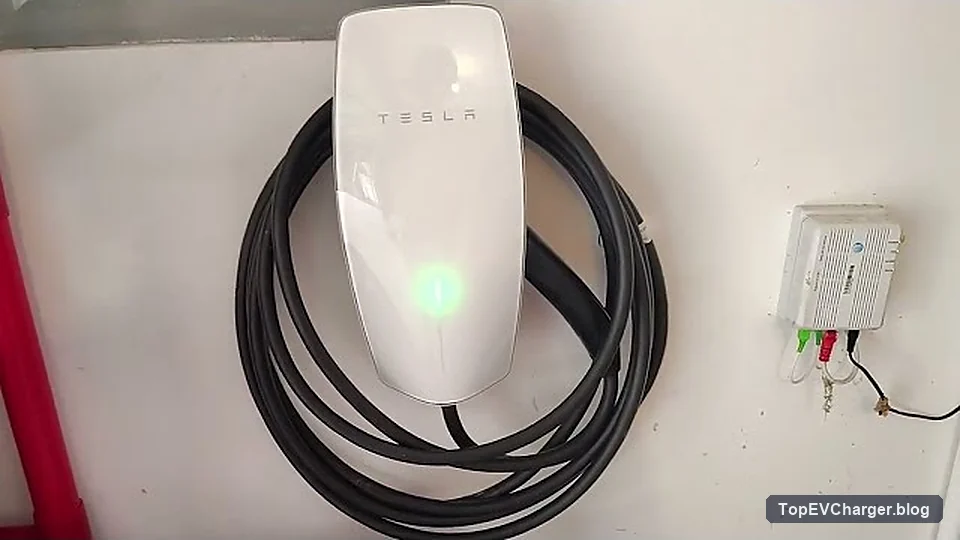
Choosing how to connect your charger changes installation requirements. A plug-in unit utilizes a heavy-duty NEMA 14-50 receptacle designed to withstand repeated plugging and unplugging cycles.
Receptacles require specialized industrial-grade outlets rated for high temperatures. Cheap commercial or residential grade outlets often fail under the sustained demands of electric vehicle charging.
Hardwiring eliminates potential failure points found in standard wall outlets. Connecting the charger directly to a junction box provides superior reliability and removes receptacle maintenance concerns.
Building codes increasingly mandate GFCI protection for garage outlets. Hardwired units sometimes integrate internal fault protection, simplifying panel breaker selection while keeping your garage completely safe.
Plug-in EV chargers require heavy-duty industrial receptacles like a NEMA 14-50 outlet to withstand frequent thermal cycling. Standard residential grade outlets quickly fail under prolonged high-amperage electrical loads.
Hardwired installations eliminate plug and socket points entirely, reducing potential resistance hot spots within the charging circuit. This method provides superior long-term reliability for high-power residential EV chargers.
Modern electrical codes mandate GFCI protection for all outdoor outlet installations supplying electric vehicle equipment. Hardwired units may also require GFCI breakers depending on local jurisdictional enforcement interpretations.
Torque screwdrivers are essential tools when terminating wires inside receptacle lugs or charger terminal blocks. Use our ev charger sizing calculator to determine proper wire gauges and breaker sizes.
- NEMA 14-50 outlets cap output at 40 amps.
- Industrial-grade receptacles prevent thermal failure.
- Hardwiring removes plug connection weak points.
- GFCI requirements vary by local building codes.
Residential Electrical Panel Capacity Constraints
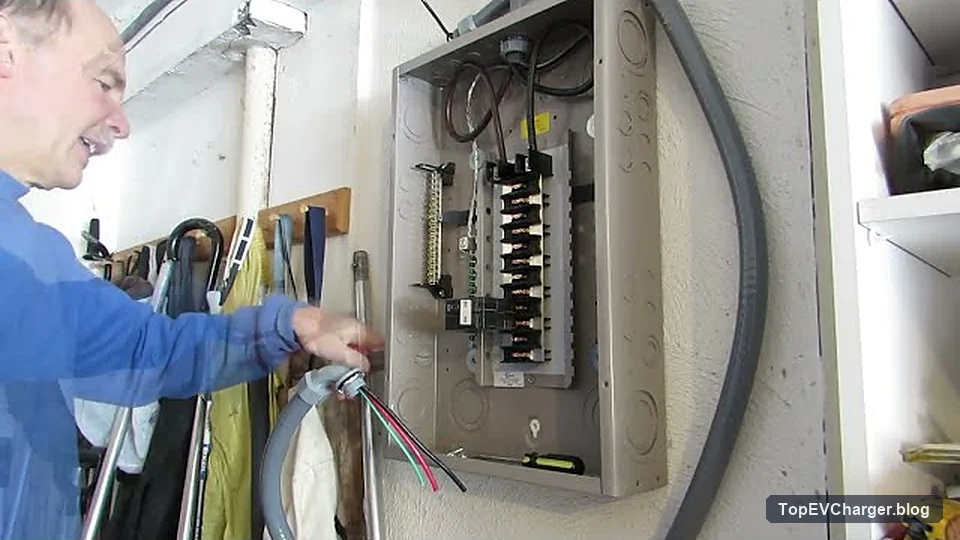
Before adding a heavy electrical load, evaluate your main panel. Many older homes feature 100 amp services that struggle to support continuous heavy draw charging systems safely.
Adding a fifty amp circuit requires calculating your home load demand. Professional electricians perform load calculations to ensure your main panel will not overload during peak hours.
If your panel lacks physical space, tandem breakers offer temporary relief. However, upgrading to a larger panel or installing an energy management system is often necessary.
Never overload a crowded panel to accommodate a new charger. Upgrading your service capacity protects your entire home from electrical fires and costly appliance damage.
Before adding a fifty-amp breaker, electricians must perform a load calculation to determine existing household energy consumption. Older homes with hundred-amp services often lack capacity for heavy vehicle chargers.
Upgrading to a 200-amp service is frequently necessary when integrating modern vehicle charging equipment into legacy properties. Homeowners should consult our best level 2 ev charger for 200 amp panel selections for compatible units.
Load management systems offer an alternative solution when physical panel capacity limits prevent installing larger breakers. These smart devices dynamically modulate charging speeds based on total home electrical demand.
Physical space inside the breaker panel also dictates whether a tandem breaker or subpanel is required. Never overcrowd a crowded panel box beyond its certified manufacturer design specifications.
- Panel capacity limits new heavy loads.
- Older 100A services often require upgrades.
- Load calculations prevent dangerous main overloads.
- Energy management systems help constrained panels.
Video Walkthrough: What Is The Recommended Circuit Breaker Size For Installing An EV Charger?
Practical Safety Standards and Professional Installation
Electrical work involving high amperage circuits carries inherent risks. Hiring a certified electrician ensures compliance with national and local codes while protecting your valuable vehicle investment.
Local building departments require permits and final electrical inspections. These official reviews verify that torque specifications, wire gauges, and breaker sizes meet stringent safety standards.
DIY installations void manufacturer warranties and homeowner insurance policies. Professional contractors carry liability insurance and guarantee their work against unexpected electrical failures or installation defects.
Prioritize safety over saving money on professional installation fees. Proper setup guarantees years of trouble-free charging for your electric vehicle without any hidden electrical hazards.
Compliance with OSHA and NEC guidelines safeguards both homeowners and property during electrical infrastructure upgrades. Hiring a licensed electrician ensures every connection meets rigorous regional building safety codes.
Professional installations always include comprehensive multimeter testing to verify correct voltage phase alignment and ground continuity. Skipping diagnostic checks risks damaging expensive vehicle power electronics systems.
Securing proper electrical permits protects property insurance validity in the event of an unexpected electrical fire. Unpermitted DIY installations often void coverage claims related to custom home charging equipment.
Post-installation thermal imaging inspections help identify high-resistance joints before they cause visible component failure. Rigorous quality control measures distinguish professional electrical work from hazardous shortcuts.
- Always hire licensed electricians for setup.
- Local permits and inspections are mandatory.
- DIY wiring voids equipment and home warranties.
- Professional torque specs prevent loose connections.
Frequently Asked Questions
Can I use a 40 amp breaker for a 40 amp charger?
Using a 40 amp breaker violates the mandatory National Electrical Code continuous load rule by failing to provide the required twenty-five percent safety margin.
You must install a 50 amp breaker along with matching six gauge wiring to prevent persistent nuisance tripping, severe thermal stress, and potential electrical fire hazards during extended vehicle charging sessions.
What wire size do I need for a 40 amp EV charger?
Running a forty amp charging device requires heavy-duty 6 AWG copper wire to safely handle the continuous electrical current without excessive resistance.
If you choose to use aluminum conductors instead, you must step up to a larger wire gauge and apply anti-oxidant compound to every single terminal connection.
Is a hardwired EV charger better than a plug-in setup?
Hardwired installations eliminate vulnerable plug-in connection points that frequently degrade under sustained thermal loads over years of daily vehicle charging use.
Additionally, hardwiring removes the strict requirement for expensive GFCI breakers at your main electrical panel depending on your local jurisdiction and specific code cycle.
Will a 50 amp breaker trip if my car pulls 40 amps?
A properly sized 50 amp circuit breaker will never trip during standard vehicle charging because it is engineered to handle forty amps continuously.
The 125 percent safety factor ensures the breaker operates well within its thermal threshold while delivering maximum power to your electric vehicle battery pack.
Do I need a permit to install a home EV charger?
Most local municipalities and building departments legally require official electrical permits and professional inspections for all dedicated home charging station installations.
Securing these permits ensures your new equipment complies with all regional safety codes and protects your homeowner insurance coverage against any future electrical claims.