Gfci Breaker Tripping Issues With Level 2 Ev Charger
When your home charging equipment repeatedly cuts power, understanding electrical fault mechanisms is essential. Proper diagnosis keeps your electric vehicle powered safely without unexpected service interruptions.

Ground fault interrupters trip because they detect millampere imbalances between hot and neutral wires. Always verify your wiring integrity before replacing expensive electrical components.
Looking for matching picks? See our Best Level 2 Ev Charger For Cabin.
Practical Quick-Reference Table
| Scenario / Metric | Recommended Target | Why It Matters |
|---|---|---|
| Current Imbalance | Under 5mA / 30mA | Prevents nuisance tripping while ensuring shock protection |
| Terminal Torque | Manufacturer Spec | Eliminates high-resistance hotspots and thermal faults |
| Conductor Material | Pure Copper Stranded | Reduces voltage drop over long garage runs |
| Enclosure Rating | NEMA 4X / IP65 | Blocks moisture and dust ingress effectively |
| Ground Resistance | Under 25 Ohms | Ensures fault currents dissipate safely into earth |
| Circuit Type | Dedicated 240V | Supports continuous high-amperage EV charging loads |
Identifying Breaker Types And Fault Detection Principles
Modern residential electrical panels incorporate specialized protection to shield users from severe shocks. A ground fault circuit interrupter constantly monitors current flow paths to detect dangerous leakage currents instantly.
Standard circuit breakers only respond to excessive thermal loads or short circuit surges. In contrast, GFCI protection devices measure the precise balance of electrical current traveling through active conductors.
Level 2 charging equipment draws substantial continuous amperage over extended operational periods. Any microscopic deviation in current return paths triggers an immediate circuit break to prevent potential electrical hazards.
Understanding these foundational safety mechanisms helps technicians isolate whether the fault originates inside the vehicle. Thorough testing procedures isolate the charging station from the home distribution panel effectively.
- Monitors active current balance across conductors continuously
- Triggers instantly upon detecting millampere leakage deviations
- Separates standard overcurrent from ground fault interruptions
- Protects users from dangerous residential electrical shock hazards
Differentiating Between Standard And Equipment Protection
Standard residential GFCIs operate at a five milliampere threshold for personnel protection. Equipment leakage circuit interrupters utilized for electric vehicle supply equipment typically operate at thirty milliamperes.
This higher threshold prevents nuisance tripping while maintaining adequate safety margins for high power automotive charging applications. Knowing your specific breaker rating ensures accurate troubleshooting during diagnostic evaluations.
- Personnel GFCIs trip at strictly five milliamperes
- Equipment devices utilize a thirty milliampere threshold
Analyzing Common Environmental And Hardware Triggers
Environmental conditions significantly influence the reliability of high amperage residential charging circuits. Outdoor installations exposed to heavy moisture frequently experience nuisance tripping due to water ingress.
Moisture accumulation inside weatherproof enclosures creates microscopic conductive paths for electricity. This unintentional leakage bypasses the primary insulation barrier and activates sensitive internal monitoring sensors immediately.
Hardware degradation over time also contributes heavily to unexpected electrical interruptions. Corroded terminals, loose mechanical connections, or damaged charging cables introduce internal resistance that destabilizes the circuit.
Thermal expansion from daily charging cycles can loosen screw terminals inside the junction box. Routine visual inspections help catch these physical anomalies before they trigger severe safety shutdowns.
- Moisture intrusion creates unintended electrical leakage pathways
- Corroded terminals introduce destabilizing circuit resistance
- Thermal cycling loosens mechanical connections inside boxes
- Physical cable damage triggers internal safety interlocks
Temperature Fluctuations And Thermal Stress
Ambient temperature swings cause metal components to expand and contract continuously. This mechanical stress can compromise terminal tightness inside NEMA enclosures, leading to intermittent connection failures.
Maintaining proper torque specifications on all electrical connections prevents localized overheating and reduces fault triggers. Always verify manufacturer guidelines for terminal torque requirements during initial setup.
- Thermal expansion loosens critical terminal connections
- Proper torque prevents dangerous localized overheating
Video Walkthrough: Level 1 EV charger tripping garage breaker overnight - cause and fix
Diagnostic Methods For Isolation And Pattern Testing
Systematic troubleshooting requires isolating variables to pinpoint the exact source of electrical disruption. Begin by testing your Level 2 equipment on a known working circuit at another location.
If the charging unit functions normally elsewhere, the issue likely resides within your home panel. Conversely, immediate tripping on multiple circuits points toward an internal fault within the charger.
Track the exact timing of each fault event to uncover underlying behavioral patterns. Tripping that occurs immediately upon connection suggests a hard short, whereas delayed trips indicate thermal buildup.
Utilizing a professional multimeter allows technicians to measure continuity and insulation resistance accurately. Never attempt internal component testing without first disconnecting the primary power supply completely.
- Test equipment on alternative circuits to isolate faults
- Log exact trip timing to identify thermal versus short issues
- Measure insulation resistance using calibrated multimeters
- Disconnect primary power before inspecting internal wiring
Analyzing Environmental Timing Triggers
Documenting weather conditions during each fault occurrence provides vital clues for technicians. Rainstorms or heavy morning condensation often correlate directly with moisture induced ground fault activations.
Correlating fault logs with vehicle charging timers helps determine if onboard charging modules are responsible. Comprehensive data collection streamlines the entire diagnostic process for electrical contractors.
- Track weather events alongside breaker trip logs
- Evaluate vehicle charging timers for anomalies
Evaluating Hardwired Configurations Versus Receptacles
Plug in Level 2 chargers rely on heavy duty wall receptacles like the NEMA 14 50 standard. These connection points introduce physical wear points that are vulnerable to environmental degradation.
Hardwired charging installations eliminate plug and socket interfaces entirely, removing common points of failure. Direct wire connections provide superior long term reliability for high amperage continuous loads.
Receptacle installations also mandate expensive dual function breakers that incorporate both GFCI and thermal protection. Eliminating the outlet can sometimes resolve persistent nuisance tripping linked to receptacle wear.
Review local electrical codes carefully before deciding between a plug in portable unit and hardwiring. Professional installation ensures your setup complies with all regional safety mandates and manufacturer specifications.
- Wall receptacles introduce mechanical wear points over time
- Hardwiring eliminates plug interfaces to boost reliability
- Dual function breakers are required for standard outlets
- Review regional building codes before altering setups
Receptacle Wear And Physical Degradation
Frequent insertion and removal cycles weaken the spring tension inside standard wall receptacles. Loose contact surfaces generate excessive heat and trigger thermal sensors within the circuit protection device.
Upgrading to industrial grade receptacles minimizes this risk significantly for high usage residential applications. Inspect your wall outlet periodically for any signs of discoloration or thermal stress.
- Spring tension degrades from repeated plug insertions
- Industrial grade outlets withstand heavy continuous usage
National Electrical Code Mandates And Safety Standards
Electrical installations must adhere strictly to current National Electrical Code regulations for safety compliance. Recent code editions mandate GFCI protection for virtually all residential electric vehicle supply equipment circuits.
These rigorous requirements aim to protect homeowners from catastrophic electrical shocks in damp locations. Navigating code updates requires close collaboration with certified electricians who understand regional enforcement variations.
Some older residential panels may experience compatibility conflicts with modern automotive charging hardware. Modern EV chargers feature active monitoring that can interact unfavorably with specific breaker brand designs.
Consult local building authorities clarifies whether specific exceptions apply to your garage installation project. Never bypass code mandates to resolve electrical faults, as doing so compromises home safety.
- Adhere strictly to current national electrical code mandates
- GFCI protection is required for residential EV circuits
- Resolve compatibility conflicts with approved breaker brands
- Consult local inspectors regarding regional code variations
Understanding Manufacturer Compatibility Guidelines
Charger manufacturers publish explicit compatibility lists detailing approved circuit breaker models. Selecting unlisted breakers can cause unpredictable behavior and premature equipment shutdowns during operation.
Always cross reference your hardware specifications with panel manufacturer documentation before purchasing replacement protective devices. Proper equipment matching guarantees stable performance over thousands of charging cycles.
- Follow manufacturer approved breaker compatibility lists
- Verify panel documentation prior to purchasing hardware
Video Walkthrough: Do I need a GFCI Circuit Breaker for EV Charging?
Practical Remediation Steps For Licensed Electricians
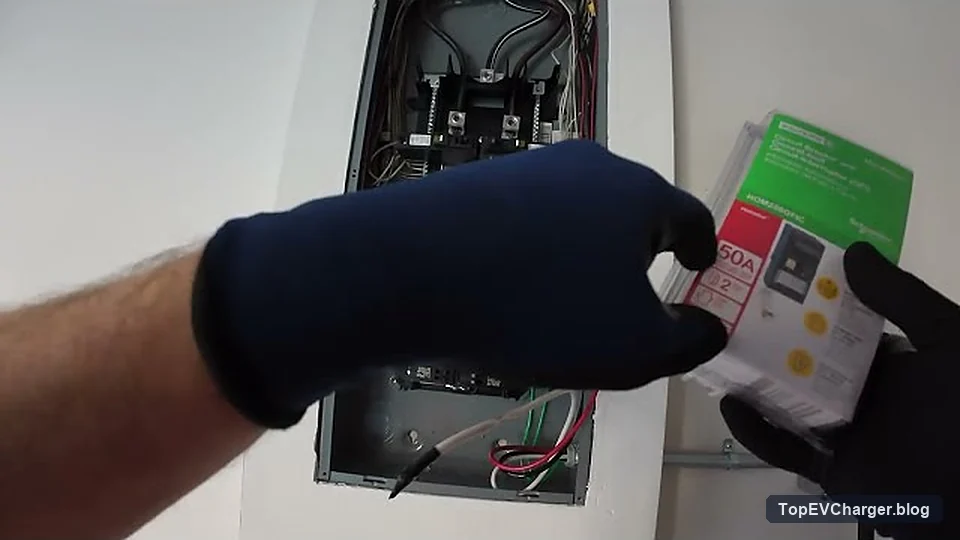
Resolving persistent electrical faults often requires professional intervention from a qualified service technician. Licensed electricians possess specialized diagnostic tools like megohmmeters to evaluate insulation integrity effectively.
Technicians will inspect the main service panel for loose neutral bars and improper grounding connections. A compromised ground path frequently masquerades as a ground fault, causing erratic circuit breaker tripping.
Replacing a faulty breaker with an updated model of the same brand can resolve internal wear issues. Professional evaluation ensures all replacement components meet strict UL listing standards and local codes.
Documenting every repair step creates a reliable maintenance history for future property reference. Professional oversight guarantees your charging system operates safely and efficiently under maximum continuous loads.
- Employ qualified technicians for complex electrical diagnostics
- Inspect main panels for loose neutral and ground bars
- Replace worn breakers with certified UL listed models
- Maintain thorough repair records for future reference
Verifying Proper Grounding System Integrity
A robust grounding electrode system is critical for stable electric vehicle charging performance. Electricians measure ground resistance to ensure fault currents dissipate safely into the earth without interference.
High resistance ground paths can trick sensitive monitoring devices into registering false ground faults. Comprehensive grounding checks eliminate hidden electrical anomalies that baffle DIY troubleshooting efforts.
- Measure ground resistance to confirm earth dissipation
- Eliminate hidden anomalies in residential grounding systems
Preventing Future Interruptions During New Installations
Proactive planning during the initial setup phase prevents frustrating electrical faults later on. Employing oversized conduit and copper conductors minimizes voltage drop and reduces thermal stress across the circuit.
Install weatherproof covers with locking mechanisms to protect outdoor outlets from driving rain and dust. Keeping connections dry stops moisture infiltration before it triggers sensitive ground fault monitoring sensors.
Schedule annual maintenance checks with a qualified professional to inspect panel connections and wiring. Routine servicing catches minor degradation before it escalates into full system shutdowns or hardware damage.
Investing in high quality components from reputable manufacturers ensures long term operational reliability. Proper installation practices safeguard your electric vehicle investment and provide worry free daily charging experiences.
- Use oversized conduit and copper wire to minimize stress
- Install locking weatherproof covers on outdoor outlets
- Schedule annual professional maintenance inspections
- Select reputable component brands for long term reliability
Selecting Premium Weatherproof Enclosures
Outdoor charging setups demand robust enclosures rated for extreme weather and UV exposure. High quality gasket seals prevent moisture intrusion during severe storms and heavy seasonal downpours.
Verify that all conduit fittings maintain a watertight seal to protect internal wiring terminations. Proper enclosure selection is vital for preventing environmental faults in exterior charging installations.
- Choose UV resistant enclosures for outdoor charging
- Ensure conduit fittings maintain watertight seals
Frequently Asked Questions
Why does my charger trip only when it rains?
Moisture infiltration creates microscopic conductive paths that trigger ground fault sensors. This environmental leakage requires immediate inspection of your outdoor enclosure seals.
Can I remove the GFCI breaker to stop annoying trips?
Removing mandatory safety breakers violates electrical codes and creates severe shock hazards. Always resolve the root cause instead of bypassing critical safety equipment.
Are hardwired chargers less prone to tripping?
Hardwired connections eliminate vulnerable plug interfaces and reduce overall resistance points. This direct wiring approach frequently resolves persistent nuisance tripping issues entirely.
How do I know if the fault is my car or charger?
Test your charging unit on a different circuit or location to isolate variables. If the unit trips elsewhere, the internal hardware is likely at fault.
What torque specification should electricians use on terminals?
Always follow the exact torque values printed in the manufacturer installation manual. Incorrect torque settings cause localized overheating and trigger thermal protection mechanisms.