Continuous Load 80 Percent Rule Ev Charging Calculations
Master home charging safety by applying standard electrical sizing formulas. Prevent thermal overloads using precise NEC calculation methods.

Apply the 125 percent multiplier to your continuous EV charger load to correctly size conductors and circuit breakers for safe, uninterrupted residential power delivery.
Looking for matching picks? See our Best Level 2 Ev Charger With Dynamic Load Balancing.
Practical Quick-Reference Table
| Scenario / Metric | Recommended Target | Why It Matters |
|---|---|---|
| Continuous Load Definition | 3 Hours or More | Generates steady thermal stress on conductors. |
| EV Charger Amperage (48A) | 60 Amp Breaker | Prevents nuisance thermal trips under load. |
| Minimum Copper Wire Size | 6 AWG THHN | Handles sustained 60A current safely. |
| Main Panel Capacity | 200 Amp Minimum | Supports total home demand plus EV load. |
| Ambient Temperature Limit | 30 Celsius Base | Prevents premature conductor insulation decay. |
| Torque Specification | Manufacturer Label | Eliminates high-resistance terminal hot spots. |
Electrical Circuit Demands And Sustained Power Loads
Residential electrical setups experience heavy demands when operating high-amperage equipment for hours daily. The National Electrical Code mandates specific safety margins to prevent hazardous overheating conditions inside residential walls.
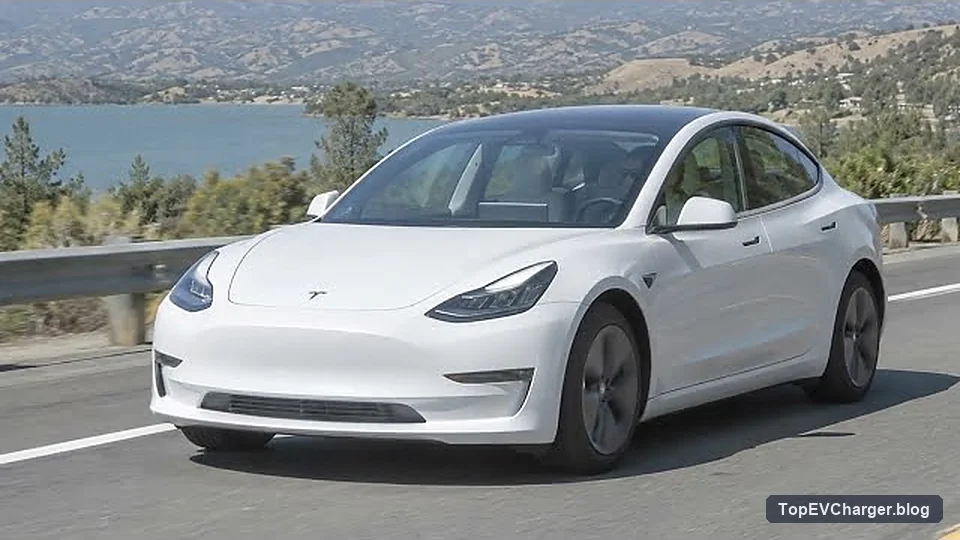
Electric vehicle supply equipment draws maximum rated current continuously during long overnight refueling sessions. Understanding these sustained operational profiles protects your home infrastructure from premature thermal fatigue and catastrophic failure.
Standard household appliances cycle on and off throughout normal daily routines. Conversely, electric vehicle chargers maintain a flat, uninterrupted peak current draw that challenges standard wiring configurations.
Electrical designers categorize loads based on duration to determine correct safety margins. Sustained draws exceeding three hours require special mathematical adjustments to maintain safe conductor temperature thresholds.
- Treat all EV chargers as continuous electrical loads.
- Account for multi-hour refueling sessions in every calculation.
- Protect residential framing from sustained thermal transfer.
- Maintain strict compliance with local electrical safety codes.
Evaluating Sustained Operational Profiles
Reviewing vehicle battery capacity helps determine daily circuit runtime expectations. Large battery packs require extended high-amperage delivery windows.
Monitoring equipment thermal output confirms whether your installation handles continuous power safely.
- Check daily charging duration patterns.
- Verify equipment duty cycle ratings.
National Electrical Code Continuous Current Definitions
The regulatory framework governing modern electrical installations defines continuous loads very precisely. Any circuit drawing maximum current for three hours or more falls under this strict safety classification.
Because electric vehicle refueling sessions frequently exceed three continuous hours, code enforcement officials classify them automatically. This classification triggers mandatory oversizing requirements for both breakers and copper conductors.
Reviewing our level 1 vs level 2 charging comparison highlights why proper electrical sizing matters. Ignoring these regulatory definitions leads directly to thermal degradation of wire insulation.
Code inspectors verify compliance by reviewing charger nameplate ratings against upstream protective devices. Proper documentation prevents costly installation delays and failed residential electrical inspections.
- Classify loads exceeding three hours as continuous.
- Apply code-mandated multipliers to nameplate amperage ratings.
- Ensure nameplate amperage matches circuit breaker sizing.
- Consult licensed electricians for complex installation reviews.
Interpreting Codebook Mandates
Navigating complex code sections requires focusing on specific articles governing branch circuits. Article 210 provides foundational rules for residential branch circuit ratings.
Cross-referencing equipment manufacturer specifications clarifies minimum installation requirements.
- Review Article 210 branch circuit rules.
- Match manufacturer specifications with code.
Video Walkthrough: You've Been Lied to - IGNORE The 80% Charge Rule
Mathematical Derivations For Circuit Breaker Sizing
Using our advanced ev charger sizing calculator simplifies mathematical multipliers. You must multiply the charger's maximum continuous output current by 1.25 to determine the minimum protective device rating.
For example, a forty-eight amp hardwired charger requires a minimum sixty amp circuit breaker. Operating this load on a smaller breaker causes immediate thermal tripping as internal components heat up.
This sizing formula guarantees that the circuit breaker operates well below its thermal trip threshold. Safety margins absorb minor voltage fluctuations without interrupting your vehicle refueling cycle.
Always select the next standard commercial breaker size up if your calculated value falls between ratings. Standard residential breaker panels support specific amperage tiers for reliable mechanical operation.
- Multiply maximum charger amperage by 1.25 factor.
- Round up to the next standard breaker size.
- Verify breaker thermal-magnetic trip characteristics match specs.
- Install matching copper conductors for the selected breaker.
Step-by-Step Amperage Calculations
Begin by identifying the exact continuous output amperage listed on the charger nameplate. Multiply that specific number by one point two five.
Select a circuit breaker matching or exceeding this calculated minimum threshold.
- Locate nameplate continuous amperage rating.
- Apply the standard 125 percent multiplier.
Conductor Ampacity Ratings And Thermal Derating Factors
Conductor wire sizing must match or exceed the selected circuit breaker rating. Using undersized wiring creates dangerous high-resistance points that generate excessive heat within wall cavities.
Copper conductors feature specific ampacity ratings based on cross-sectional gauge and insulation type. THHN copper wire is the standard choice for most residential garage branch circuits.
Environmental conditions like ambient garage temperatures require additional thermal derating calculations. Hot summer attics or unconditioned garages reduce the safe current-carrying capacity of building wires.
Always consult official conductor ampacity charts found within code manuals. Proper wire sizing prevents voltage drop and ensures efficient power delivery to your vehicle.
- Match wire gauge to circuit breaker rating.
- Use high-temperature rated THHN copper conductors.
- Apply environmental derating factors for hot spaces.
- Prevent excessive voltage drop over long runs.
Evaluating Ambient Temperature Impacts
Measure average seasonal temperatures inside your garage installation space. High ambient heat degrades wire insulation performance over time.
Increase wire gauge size when routing through exceptionally warm environments.
- Record peak seasonal garage temperatures.
- Select larger wire gauges for hot zones.
Residential Electrical Panel Load Calculation Frameworks
Before adding an electric vehicle charger, calculate total household electrical demand. The NEC Article 220 standard calculation method determines whether your main electrical service can handle the load.

Many older homes feature legacy one-hundred amp panels that cannot support modern continuous loads safely. Upgrading to a two-hundred amp service provides necessary headroom for heavy equipment.
Lighting, HVAC systems, and kitchen appliances consume significant portions of your available electrical capacity. Factoring these existing loads prevents overloading your main utility service entrance conductors.
Professional electricians perform comprehensive load calculations using historical utility billing data. This analysis ensures your home electrical system operates safely without tripping main breakers.
- Perform standard load calculations per Article 220.
- Assess main service panel capacity limitations.
- Account for large HVAC and kitchen appliance loads.
- Verify utility transformer and meter socket ratings.
Assessing Main Service Limitations
Examine your main utility panel main breaker for current rating numbers. Confirm that total calculated demand remains below the maximum service rating.
Consult your local electric utility provider regarding transformer capacities.
- Check main utility breaker rating label.
- Review historical home power consumption data.
Thermal Physics Behind Conductor Heating And Tripping
Electrical current flowing through a conductor encounters natural resistance that generates heat energy. Sustained high-amperage draws elevate wire temperatures significantly above ambient room conditions.
Circuit breakers utilize internal bimetallic strips that bend when exposed to excessive thermal energy. This mechanical movement triggers the tripping mechanism to disconnect power safely.
Nuisance tripping usually indicates that thermal energy is accumulating faster than it dissipates. Proper sizing ensures equilibrium where conductor operating temperatures remain safely within insulation limits.
Poor terminal connections exacerbate thermal accumulation by increasing local electrical resistance. Using a calibrated torque screwdriver prevents loose connections and dangerous hot spots.
- Understand electrical resistance and thermal generation.
- Monitor bimetallic strip behavior inside breakers.
- Prevent excessive heat accumulation in terminals.
- Use calibrated torque tools during installation.
Preventing Terminal Resistance Hot Spots
Inspect all mechanical wire terminations for proper tightness and seating. Loose screw terminals create high-resistance bottlenecks that generate extreme localized heat.
Apply approved antioxidant compounds on aluminum conductors if utilized.
- Check screw terminal torque specifications.
- Eliminate loose wire strands and gaps.
Diagnostic Steps For Nuisance Breaker Disconnections
When a charger breaker trips repeatedly, systematic troubleshooting isolates the underlying root cause. Start by measuring operating voltage and actual running current using a digital clamp meter.
Evaluating speeds through our level 2 vs dc fast charging analysis helps clarify expected power draws. Compare measured current values against the nameplate rating and breaker capacity limits.
Check circuit breaker temperature by carefully feeling the panel deadfront for abnormal heat. A hot breaker indicates high internal resistance or an overloaded circuit condition requiring replacement.
Verify that ambient garage temperatures do not exceed the breaker operating design limits. Excessively hot electrical closets degrade protective device sensitivity and cause premature tripping.
- Measure actual operating current with clamp meter.
- Compare running current to nameplate specifications.
- Inspect circuit breakers for abnormal thermal output.
- Check ambient panel enclosure temperature levels.
Using Diagnostic Multimeters Effectively
Connect digital multimeters to measure terminal voltage under active load conditions. Significant voltage drops indicate undersized wiring or poor terminations.
Record all diagnostic measurements for professional evaluation.
- Measure voltage drop under active load.
- Record peak operating current metrics.
Hardware Selection Criteria For High Draw Stations
Selecting robust electrical hardware ensures reliable, maintenance-free daily vehicle refueling operations. Commercial-grade components withstand sustained thermal stress much better than residential-grade alternatives.

Choose hardwired charger configurations whenever possible to eliminate vulnerable plug connections. Hardwiring reduces potential failure points and bypasses rigid NEC receptacle requirements.
Verify that all enclosures feature appropriate weather resistance ratings for your installation environment. Outdoor installations demand robust NEMA-rated housings to prevent moisture ingress.
Consulting our detailed l1 vs l2 charging guide ensures you select equipment certified by recognized testing laboratories. Uncertified hardware poses severe fire risks during long continuous charging sessions.
- Prioritize hardwired charging units over plug-in models.
- Select commercial-grade circuit breakers and enclosures.
- Ensure proper weather resistance ratings for outdoor setups.
- Verify independent laboratory safety certifications.
Evaluating Enclosure Protection Standards
Review NEMA enclosure classifications before mounting equipment in exposed locations. Adequate weather sealing protects internal electronics from moisture and dust.
Mount units securely to structural wall studs.
- Check NEMA rating specifications.
- Ensure secure wall mounting stability.
Frequently Asked Questions
What is the primary purpose of the continuous load rule in EV charging?
The rule prevents hazardous overheating by requiring a 125 percent sizing factor for circuits operating continuously. This guarantees wiring and breakers handle steady, multi-hour power draws safely.
How do I calculate the correct breaker size for a 40-amp EV charger?
Multiply the 40-amp continuous load by 1.25 to get 50 amps. Always select a 50-amp circuit breaker and matching copper conductors for this installation.
Why does my EV charger circuit breaker keep tripping during summer months?
High ambient garage temperatures reduce the thermal capacity of standard breakers. Excessive heat combined with continuous load triggers the bimetallic strip prematurely.
Can I use standard 14 AWG wire for a residential EV charger circuit?
No, standard 14 gauge wire is severely undersized for high-amperage vehicle chargers. You must use heavy-gauge copper conductors like 6 AWG THHN.
Are hardwired EV chargers safer than plug-in units for continuous loads?
Yes, hardwiring eliminates high-resistance receptacle connections that commonly fail. Direct wiring provides superior reliability during sustained multi-hour power delivery sessions.