Can A 100 Amp Panel Support Level 2 Charging Safely
Older homes often feature limited electrical capacities. Evaluating your existing service requires precise load calculations before installing high-draw equipment.


Yes, a 100-amp panel can support level 2 charging under specific low-amperage configurations. You must complete a full NEC load calculation to prevent main breaker overloads safely.
Looking for matching picks? See our Best Level 2 Ev Charger For 200 Amp Panel.
Practical Quick-Reference Table
| Scenario / Metric | Recommended Target | Why It Matters |
|---|---|---|
| Electrical Service | 100 Amps | Determines total available household power capacity. |
| Continuous Load Rule | 80% Maximum | Prevents overheating of main circuit breakers continuously. |
| Standard Level 2 Draw | 32A to 40A | Requires significant dedicated amperage from your service. |
| Low-Amperage Level 2 | 16A to 24A | Fits securely within older electrical service limits. |
| NEC Load Calculation | Mandatory Step | Ensures compliance with national safety standards. |
| Dynamic Load Management | Smart EVSE | Modulates charging speed based on home usage. |
What A 100-Amp Electrical Service Actually Means
Many residential properties built decades ago rely on a 100-amp service panel. This electrical capacity feeds every major appliance, lighting fixture, and HVAC system inside your dwelling.
Electrical codes enforce safety margins on these panels. Continuous loads cannot exceed eighty percent of the main breaker rating, leaving eighty amps for simultaneous household operations.
Adding an electric vehicle supply equipment unit introduces a heavy continuous load. Understanding this baseline capacity helps homeowners avoid costly breaker trips and hazardous wiring failures.
Older breaker boxes may also show physical wear or lack available physical slots. An expert physical inspection is required before connecting any modern high-draw vehicle charger.
A standard 100-amp service delivers a maximum continuous load limit of 80 amps under the National Electrical Code rule. Exceeding this thermal threshold risks tripping your main breaker switch.
- 100-amp panels supply a maximum continuous draw of eighty amps safely.
- Simultaneous appliance usage consumes significant portions of available household capacity.
- Physical breaker slot availability dictates whether a dedicated double-pole breaker fits.
- Aging copper or aluminum bus bars require thorough evaluation for thermal stress.
Evaluating Physical Panel Condition
Inspect your service panel for rust, corrosion, or outdated brand manufacturers. Certain historical breaker models pose well-documented fire risks during high continuous draws.
A qualified technician must verify that your bus bars remain completely uncompromised. Safety compliance always overrides faster speeds, making level 2 vs dc fast charging comparisons useful for home planning.
- Check for scorch marks around the main breaker terminals.
- Verify the panel manufacturer meets current fire safety listings.
Variable Power Demands Of Level 2 Chargers
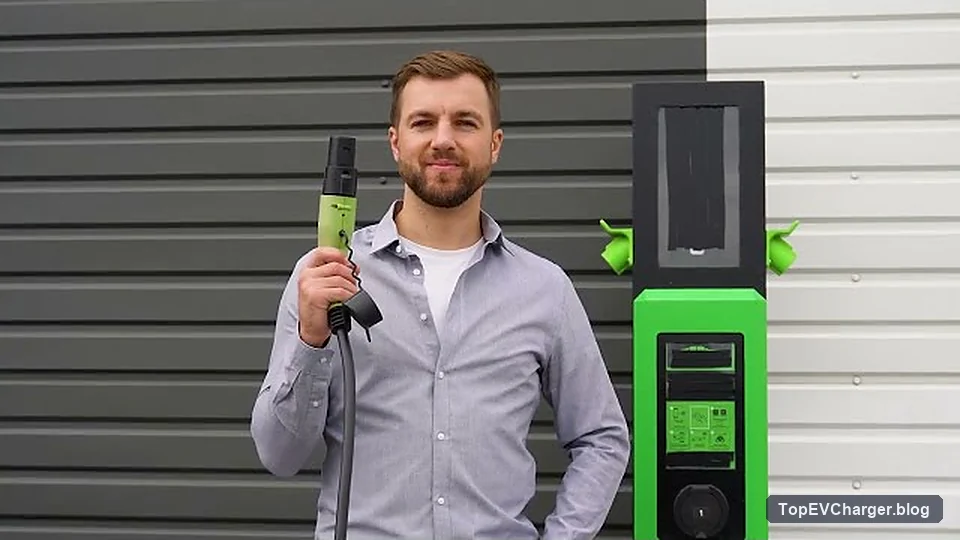
Not all level 2 chargers draw the same amount of electricity. Units range from smaller sixteen-amp models up to heavy forty-eight-amp or sixty-amp high-output systems.
Upgrading to a modern panel prevents overloads. Review our best level 2 ev charger for 200 amp panel options before buying heavy equipment.
Configuring your hardware to lower amperages drastically reduces electrical pressure. Dropping output to sixteen amps requires merely twenty amps of dedicated circuit capacity.
Adjustable amperage settings allow owners to match hardware output to available panel capacity. This flexibility keeps older electrical infrastructures safely within operational limits.
Level two chargers typically draw between 16 and 40 amps of continuous current. Drawing 40 amps requires a dedicated 50-amp breaker, which easily overwhelms older 100-amp service panels.
- Level 2 chargers operate between sixteen and forty-eight amps typically.
- Higher amperage draws demand thicker copper wiring and larger breakers.
- Configurable charging units prevent accidental overloads on limited panels.
- Slower charging speeds still easily replenish daily commuter mileage overnight.
Matching Hardware To Available Amperage
Review the dip switches or software settings inside your charging unit. Selecting a reduced amperage profile protects your home wiring from excessive thermal loads.
Consult your electrician to confirm the exact configuration matches your calculated residual capacity. Proper setup guarantees reliable daily vehicle replenishment.
- Locate adjustable current settings in the hardware manual.
- Never exceed the maximum safe amperage calculated by your electrician.
Video Walkthrough: Installing a ChargePoint EV Charger with EV Tap Load Management on a 100 Amp Panel
Calculating Your Home Electrical Load Properly
A formal NEC load calculation dictates whether your infrastructure supports a charger. You can use our ev charger sizing calculator to preview total household amperage demands before buying.
Standard calculation formulas account for simultaneous usage factors defined by code. Guesswork introduces severe safety hazards into residential electrical supply management.
If your calculated demand leaves less than twenty amps of headroom, standard charging is impossible. You must explore dynamic load management or panel upgrades instead.
Accurate measurements ensure your main breaker never trips unexpectedly during peak evening hours. Professional documentation protects your home insurance validity.
Electricians perform a standard NEC load calculation to evaluate your home. This process accounts for square footage, HVAC systems, water heaters, and heavy kitchen appliances before adding EV loads.
- NEC standard calculations use square footage and heavy appliance ratings.
- Kitchen ranges and electric dryers command substantial mandatory wattages.
- HVAC systems significantly impact remaining available electrical capacity margins.
- Professional audits eliminate dangerous electrical assumptions during installation.
Understanding NEC Demand Factors
National Electrical Code rules apply standardized percentages to household appliances. Not every device runs at maximum capacity simultaneously, which frees up nominal headroom.
Your licensed technician applies these official demand factors to your specific utility billing history. This mathematical approach proves whether your service panel qualifies.
- Apply standard code multipliers for lighting and small appliance circuits.
- Factor in climate control equipment based on local seasonal weather.
Potential Outcomes Found By Licensed Electricians
When a professional evaluates your home, they typically deliver one of three verdicts. Each outcome guides your next practical step toward electric vehicle charging readiness.
The first outcome involves immediate approval for a basic installation. Understanding level 1 vs level 2 charging differences helps determine whether your panel handles increased daily energy loads.
The second outcome requires installing a smart energy management system. This device automatically throttles vehicle charging when your household power consumption spikes dangerously.
The third outcome mandates a full service upgrade to two hundred amps. This expensive path becomes unavoidable if your home uses heavy electric heating equipment.
Qualified technicians often discover degraded busbars or oversized neutral wires inside older panels. These physical defects require immediate panel replacement or total service upgrades before EV installation.
- Outcome one allows direct installation of a lower-draw charger.
- Outcome two utilizes smart load-sharing hardware to protect service limits.
- Outcome three requires a costly utility service panel upgrade.
- Electricians prioritize absolute safety compliance over convenient charging speeds.
Smart Power Management As A Solution
Energy management systems monitor your main service feeds in real time. When oven and HVAC usage rises, the system temporarily reduces vehicle charging current.
This technology prevents main breaker trips without requiring expensive utility service upgrades. It represents an efficient middle ground for restricted electrical panels.
- Current sensors clip directly onto incoming utility service wires.
- Hardware communicates wirelessly with compatible electric vehicle chargers.
Managing Lower Amperage Charging As An Alternative
Choosing a lower amperage level 2 configuration saves thousands in upgrade costs. A sixteen-amp circuit delivers roughly three point eight kilowatts of steady power.
This rate replenishes about twelve to fifteen miles of driving range per hour. Over an eight-hour overnight window, your vehicle easily recovers standard daily commutes.
Many drivers overestimate their daily energy replenishment requirements significantly. Most commuters rarely deplete more than thirty percent of their battery capacity daily.
Adopting a slower charging profile keeps your legacy electrical panel completely safe. You eliminate thermal stress while still enjoying home charging convenience.
Configuring your charger to draw only 16 amps reduces strain on your electrical system. This lower setting delivers roughly twelve miles of range per hour without requiring costly panel upgrades.
- Sixteen-amp charging runs on standard smaller gauge copper wiring safely.
- Overnight windows provide ample time for moderate battery replenishment.
- Lower amperage draws prevent nuisance tripping of older main breakers.
- Utility costs remain manageable due to predictable off-peak charging schedules.
Permits Codes And Utility Requirements To Review

Electrical work involving vehicle chargers requires local municipal permits. Skipping this mandatory legal step risks insurance claim denials and building code violations.
Local utility providers must also approve any significant changes to service equipment. They inspect the connection point to ensure local transformers handle added demands.
Your licensed contractor handles these permitting filings and utility notifications routinely. Compliance guarantees your installation meets all regional safety legislation.
Building inspectors check conduit routing, GFCI protection, and breaker sizing carefully. Professional adherence to standards protects your household from liability risks.
Local municipalities enforce strict electrical permitting rules for any new high-voltage circuit. Your local utility provider must also inspect the existing meter socket to prevent transformer overload conditions.
- Municipal electrical permits are legally required for new circuit installations.
- Utility providers track localized transformer loads across neighborhood grids.
- Licensed contractors ensure compliance with current national electrical codes.
- Proper inspections validate home insurance policies against electrical fires.
Essential Preparation Steps Before Calling Professionals
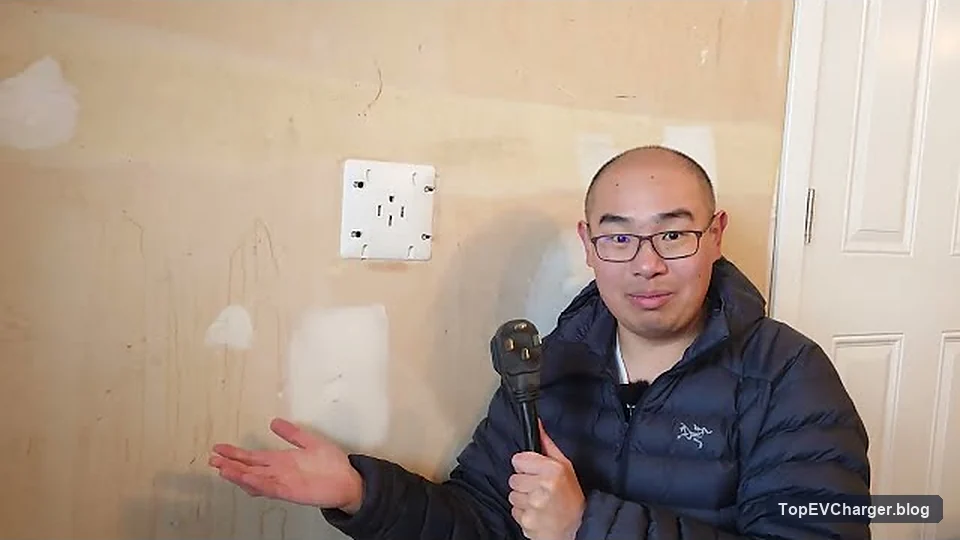
Gather vital information before scheduling an electrical contractor consultation. Note your vehicle model, onboard charger maximum acceptance rate, and daily driving mileage.
Take clear photographs of your current electrical service panel and meter. Ensure you capture the main breaker amperage rating label legibly for remote estimates.
List all major heavy appliances in your home, including dryers and ranges. Providing these details accelerates the initial load assessment process significantly.
Clearing physical clutter around your electrical panel ensures quick technician access. Preparation saves valuable time during professional on-site evaluation visits.
Locate your utility meter and photograph the main breaker label clearly. Documenting your current major appliance types helps technicians estimate your home baseline load before scheduling their initial site visit.
- Document your vehicle's maximum AC charging capability specifications.
- Photograph the main circuit breaker label and surrounding panel space.
- Compile a complete inventory of major household electric appliances.
- Clear all storage items blocking safe access to your service panel.
Frequently Asked Questions
Can a 100-amp panel support a standard 40-amp level 2 charger?
Usually no, because a 40-amp continuous load exceeds safe capacity limits. A full NEC load calculation is required to verify available household headroom.
What is the safest alternative if my panel cannot handle standard charging?
You can install a lower-amperage charger running at sixteen amps. Alternatively, smart energy management devices modulate charging speeds automatically.
Do I need a building permit to install a home charging station?
Yes, municipal electrical permits are legally mandatory for adding dedicated circuits. Permits ensure your installation complies with local safety codes.
How many miles of range does a 16-amp level 2 charger provide?
A sixteen-amp charger delivers roughly twelve to fifteen miles of range per hour. This easily replenishes standard daily commutes overnight.
When is a full 200-amp service panel upgrade absolutely necessary?
Upgrades become mandatory when NEC calculations reveal zero electrical headroom remaining. Homes with heavy electric heating systems frequently require panel replacements.