Tesla Level 1 vs. Level 2: Which Fits Your Setup Better?
Choosing between plugging into a standard wall outlet or installing a heavy-duty home charging station impacts your daily routine. Understanding electrical capacity helps determine your optimal charging architecture.


For standard commuters with minimal daily mileage, Tesla Level 1 suffices using a regular outlet. However, Level 2 delivers superior power delivery and faster replenishment for high-mileage drivers.
Compare all top models in our Best Ev Level 2 Charger.
Side-by-Side Breakdown
| Criteria | Tesla Level 1 | Level 2 | Edge |
|---|---|---|---|
| Peak Performance & Output | 1.4 kW to 1.9 kW (120V) | 7.6 kW to 11.5 kW (240V) | Level 2 |
| Duty Cycle & Consistency | Low thermal stress, slow recovery | Continuous high load, robust thermal management | Level 2 |
| Operating Noise & Vibration | Silent passive cooling operation | Near-silent operation with minor relay clicks | Level 2 |
| Portability & Footprint | Highly portable Mobile Connector | Wall-mounted fixed unit or hardwired | Tesla Level 1 |
| Maintenance & Service Life | Minimal wear on standard wall receptacles | Requires dedicated breaker and dock inspection | Level 2 |
| Power Requirements | Standard NEMA 5-15 household outlet | Dedicated 240V circuit (NEMA 14-50 or hardwired) | Level 2 |
| Best Ideal Use-Case | Low-mileage commuters under thirty miles | Long daily commutes and multi-EV households | Level 2 |
Electrical Architecture and Power Delivery Fundamentals
Standard household circuits deliver minimal amperage over a 120-volt connection, creating slow transfer rates. Upgrading to our featured best ev level 2 charger options eliminates frustrating overnight capacity shortages.
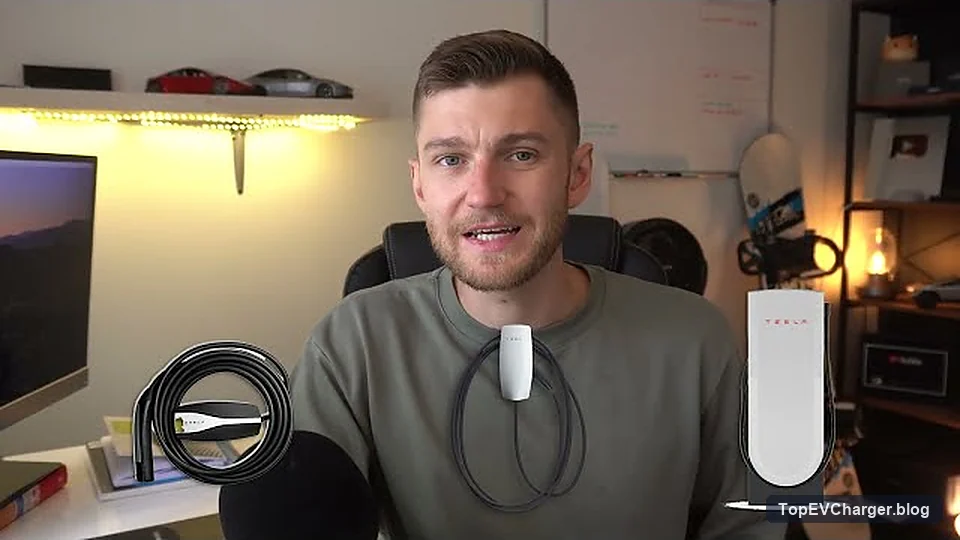
Upgrading to a dedicated 240-volt circuit multiplies potential wattage output significantly. Level 2 chargers utilize dual-phase residential electricity to dramatically accelerate vehicle battery replenishment speeds safely.
Tesla Mobile Connectors utilize standard 120V household outlets delivering 1.4 kW of continuous power. This architecture relies on single-phase alternating current routed through standard wall receptacles.
Conversely, dedicated wall units tap into 240V split-phase residential grids. This configuration feeds up to 48 amps, multiplying delivered power significantly while minimizing internal resistance losses over copper conductors.
- Standard 15-amp household circuit limitations
- Dual-phase 240V breaker panel requirements
- Voltage drop considerations over long wire runs
Circuit Capacity and Amperage Scaling
Evaluating your home electrical panel determines whether you need a service upgrade. Load calculations prevent breaker trips and ensure safe continuous operation.
Professional electricians assess total home electrical draw before mounting high-amperage hardware. Safety standards mandate strict adherence to local electrical codes.
- Total home electrical load assessment
- Continuous load safety margins
Performance Realities and Daily Replenishment Speeds
Plugging into a standard wall socket yields roughly two to three miles of range per hour. As detailed in our tesla wall connector review, standard outlets create slow charging speeds that recover minimal daily mileage.
Installing a dedicated home station provides up to forty miles of range per operating hour. Rapid energy transfer ensures complete battery restoration during off-peak night hours.
Charging via standard wall sockets yields roughly two to three miles of range per hour. Such sluggish replenishment barely offsets daily commutes for standard long-range battery packs.
Upgrading to high-amperage hardware recovers up to 44 miles per hour. Drivers can completely refill depleted packs overnight, avoiding public charging stations entirely during peak rate hours.
- Hourly range recovery metrics
- Overnight replenishment predictability
- Battery thermal conditioning impact on speed
Managing Long Commutes and High Mileage
Drivers exceeding forty miles daily quickly outgrow standard wall outlet capabilities. Level 2 infrastructure eliminates range anxiety by guaranteeing full morning battery capacity.
Fleet operators and dual-EV households rely entirely on rapid replenishment to maintain continuous daily operational readiness without relying on public chargers.
- Daily mileage threshold evaluations
- Multi-vehicle charging queue management
Thermal Dynamics and Hardware Durability Metrics
Continuous high-amperage electrical flow generates substantial thermal energy within charging hardware. Robust thermal management prevents connector degradation and protects internal circuitry.
Standard mobile connectors handle lower loads with minimal heat dissipation requirements. However, heavy-duty wall units incorporate advanced heat sinks to maintain safety.
Sustained electrical loads generate substantial heat inside the enclosure and plug terminals. Premium equipment incorporates temperature sensors right inside the NEMA plug to prevent dangerous thermal runaway.
Outdoor rated enclosures feature weatherproofing standards like NEMA 4 rating against heavy rain and dust. Robust polycarbonate casings resist UV degradation and accidental impacts in harsh winter environments.
- Thermal dissipation engineering
- Connector pin temperature monitoring
- Enclosure weather resistance ratings
Component Wear and Long-Term Reliability
Frequent plugging and unplugging of portable units increases physical wear on household outlets. Dedicated docks reduce mechanical stress on wall receptacles significantly.
Permanent wall-mounted stations feature weather-sealed enclosures designed for decades of exposure to harsh outdoor elements and temperature swings.
- Outlet receptacle degradation factors
- Weatherproofing and NEMA ratings
Installation Complexity and Infrastructure Requirements
Portable connectors require zero installation effort beyond plugging into an existing NEMA 5-15 receptacle. Immediate deployment makes mobile units ideal for temporary housing situations.
High-power home stations demand professional electrical permitting, heavy gauge wiring, and dedicated breakers. Proper installation ensures code compliance and long-term fire safety.
Level 1 setups require zero electrical work beyond plugging into an existing outlet. Homeowners installing the best jeep 4xe charging units must verify breakers handle continuous loads safely without tripping overloaded circuits.
Permanent wall installations mandate dedicated hardwired circuits or heavy-duty 14-50 receptacles. Licensed electricians must calculate voltage drop, conduit fill, and proper wire gauge per National Electrical Code requirements.
- Existing outlet compatibility checks
- Heavy-gauge copper wiring runs
- Permitting and inspection processes
Electrical Panel Upgrades and Load Management
Older homes with sixty to one hundred amp services may require expensive electrical panel upgrades. Smart load splitters offer alternatives when panel capacity is restricted.
Consulting a licensed electrician prevents costly mistakes and ensures your home infrastructure safely supports continuous high-draw electrical equipment.
- Main panel amperage evaluations
- Dynamic load balancing solutions
Portability, Footprint, and Ergonomic Design Factors
Mobile charging units store compactly in trunk compartments for emergency road trips and travel flexibility. Lightweight design allows easy transport between different properties.
Fixed wall units offer permanent cable management hooks and cleaner garage aesthetics without messy floor-standing cords. Ergonomic holster placement simplifies daily plugging routines.
Mobile connectors offer exceptional flexibility by traveling inside the vehicle trunk for emergency road recovery. Their lightweight body facilitates easy handling compared to heavy fixed wall units.
Stationary chargers mount securely to garage studs, providing a permanent cable management dock. This eliminates daily coiling strain, preserving flexible cable jackets from cracking in freezing temperatures.
- Trunk storage footprint
- Cable management efficiency
- Garage wall space utilization
Cord Length and Maneuverability Constraints
Standard mobile cords often require extension cords, which violates electrical safety codes and creates fire risks. Proper cable reach eliminates dangerous extension cord usage.
Wall units feature robust twenty-five-foot cables designed to easily reach vehicles parked outside or inside crowded home garages.
- Cable length specifications
- Extension cord safety hazards
Efficiency Losses and Operating Cost Considerations
Slower energy transfer over longer durations increases baseline electronic overhead power consumption. Standby energy draw accumulates slightly over extended charging cycles.
Faster high-voltage stations minimize total active system runtimes, reducing cumulative electronic conversion losses during sessions. Optimized efficiency lowers overall energy waste.
Low-amperage charging runs vehicle onboard computers and thermal management systems longer. This extended duration increases phantom energy consumption, lowering overall system efficiency during every charging session.
Faster delivery completes charging cycles rapidly, minimizing the percentage of energy consumed by auxiliary electronics. Maximizing grid transfer efficiency reduces total kilowatt-hours billed on monthly utility statements.
- Conversion efficiency percentages
- Standby power consumption metrics
- Off-peak utility rate alignment
Maximizing Utility Rate Structures
Installing our recommended best level 2 charger for tesla ensures rapid overnight energy delivery, cutting monthly utility bills through smart programmed scheduling during off-peak hours.
Slow portable chargers take multiple days to complete a full cycle, missing optimal narrow utility discount windows entirely and increasing overall operational expenditures.
- Time-of-use rate optimization
- Session duration management
Selecting the Ideal Configuration for Your Workload
Assessing your daily driving habits and current electrical panel capacity clarifies your ideal charging strategy. Workload analysis prevents unnecessary infrastructure expenditures.
Weekend drivers and low-mileage commuters safely rely on basic household outlets without modification. Daily commuters benefit immediately from upgrading to dedicated high-speed home hardware.
Low-mileage drivers with predictable schedules often survive using standard wall sockets without upgrading electrical panels. Assess your exact daily mileage requirements before committing to costly infrastructure upgrades.
Households managing multiple electric vehicles or towing heavy loads need the reliability of dedicated charging hardware. Prioritize future-proofing your garage to accommodate larger battery capacities safely and efficiently.
- Daily mileage threshold calculations
- Future vehicle acquisition planning
- Property ownership and rental constraints
Balancing Upfront Investment and Long-Term Convenience
Upfront hardware and installation expenses balance out through years of effortless daily charging convenience. Time saved on public charging far outweighs initial costs.
Renters or temporary residents often find portable mobile solutions provide sufficient flexibility without requiring permanent property modifications or landlord approval.
- Upfront capital expenditure vs utility
- Rental property feasibility
Frequently Asked Questions
Can I use an extension cord with my portable charger?
You should never use a standard extension cord because sustained high electrical draws generate extreme heat and severe residential fire hazards over time.
Always plug mobile charging units directly into a properly rated wall receptacle to ensure absolute operational safety, prevent thermal overload, and avoid catastrophic equipment damage during every session.
Do I need a permit to install a high-power home station?
Most municipal building codes require a licensed electrical permit and professional safety inspection before operating permanently mounted high-voltage charging equipment.
This mandatory legal process guarantees that your home wiring meets strict national electrical safety standards, prevents electrical overload risks, and protects your valuable homeowners insurance coverage from potential liability issues.
How much daily range does a standard wall outlet recover?
Plugging into a standard household receptacle delivers approximately two to three miles of driving range per hour of active connection time.
Consequently, slow overnight replenishment recovers only thirty to forty miles during a typical twelve-hour resting period, making it completely inadequate for high-mileage drivers who require full battery capacity every single morning.
Will charging overnight on a high-power station degrade my battery?
Advanced vehicle battery management systems protect against degradation by actively regulating internal thermal temperatures during high-speed energy transfer sessions.
Routine home replenishment maintains optimal battery health far better than frequent DC fast charging on public networks, ensuring long-term battery longevity and minimal capacity loss over many years of driving.
Can I take my home charging station with me when moving?
Hardwired stations remain permanently attached to your property, while plug-in units utilizing a heavy-duty receptacle can be easily unplugged and relocated to a new garage.
Portable mobile connectors offer maximum travel flexibility for renters and frequent movers who want hassle-free equipment portability without losing their initial hardware investment over time.