Nema 14 30 vs. Nema 14 50 Ev Charger: Which Fits Your Setup Better?
Choosing the right home charging receptacle demands balancing available amperage against daily driving demands. Understanding your electrical panel capacity prevents costly rewiring errors during installation.

Selecting the NEMA 14-50 provides maximum future-proof charging speeds for most modern electric vehicles. Choose the NEMA 14-30 only when working with existing dryer circuits and moderate daily mileage commutes.
Compare all top models in our Best Ev Level 2 Charger.
Side-by-Side Breakdown
| Criteria | Nema 14 30 | Nema 14 50 Ev Charger | Edge |
|---|---|---|---|
| Peak Performance & Output | 24 Amps continuous (5.8 kW) | 40 Amps continuous (9.6 kW) | Nema 14 50 Ev Charger |
| Duty Cycle & Consistency | Good for moderate overnight top-offs | Engineered for sustained heavy loads | Nema 14 50 Ev Charger |
| Operating Noise & Vibration | Silent solid-state operation | Silent solid-state operation | Tie |
| Portability & Footprint | Compact plug configuration | Heavier gauge wiring required | Nema 14 30 |
| Maintenance & Service Life | Lower thermal stress on terminals | Requires high-grade industrial receptacles | Nema 14 30 |
| Power Requirements | Requires 30-amp dedicated breaker | Requires 50-amp dedicated breaker | Nema 14 30 |
| Best Ideal Use-Case | Plug-and-play retrofit projects | New construction and rapid charging | Nema 14 50 Ev Charger |
Electrical Infrastructure and Circuit Architecture
Evaluating your home electrical panel dictates which receptacle you can safely install. The Nema 14 30 utilizes a three-pole, four-wire configuration rated for thirty amps maximum continuous current draw.
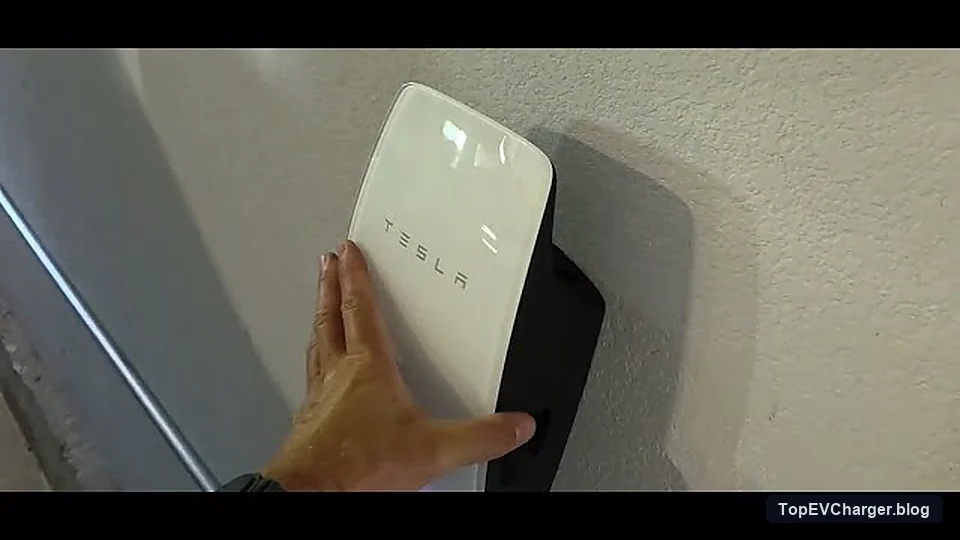
Conversely, our emporia level 2 ev charger review highlights how heavy six-gauge copper wiring and a dedicated fifty-amp breaker prevent dangerous thermal overload during extended charging sessions.
NEC safety codes mandate strict ampacity matching for continuous loads exceeding two hours. Ignoring these crucial thermal thresholds risks insulation breakdown, arcing failures, and potential residential electrical fires.
Both outlets require dedicated four-wire configurations featuring two hot lines, a neutral, and a bare copper ground wire routed safely through rigid metallic conduit per NEC requirements.
The NEMA 14-30 standard relies on ten gauge copper conductors paired with a thirty-amp double-pole circuit breaker, limiting overall sustained amperage delivery for residential EVSE installations.
Upgrading to a NEMA 14-50 receptacle demands six gauge conductors and a fifty-amp breaker, which accommodates heavier electrical loads but substantially increases panel installation labor costs.
- Nema 14-30 runs on standard 10-gauge wire configurations.
- Nema 14-50 requires robust 6-gauge copper conductors.
- Both setups mandate dedicated breakers in your main panel.
Breaker Panel Capacity Assessment
Your main service panel must have adequate physical space and electrical headroom for the new load. Adding a fifty-amp circuit often requires a heavy service upgrade in older homes.
Always consult a licensed electrician to perform a comprehensive load calculation before purchasing equipment. Overloading your main bus bar creates severe safety hazards that compromise household power.
- Calculate total home amperage draw accurately.
- Verify physical breaker slot availability in the panel.
Output Capacity and Charging Speeds
Charging speed represents the most visible difference between these two popular connector types. The Nema 14 30 delivers roughly twenty-four amps of continuous output, translating to about fifteen miles per hour.
Comparing top units in our best 240v ev charger lineup shows that stepping up to forty amps of continuous power yields approximately thirty miles of range per hour.
Larger battery packs found in modern electric trucks benefit immensely from higher amperage rates. Overnight turnaround times drop drastically when utilizing the robust fifty-amp power delivery protocol.
Operating at two hundred forty volts, the NEMA 14-30 delivers a maximum continuous output of twenty-four charging amps, yielding roughly 5.8 kilowatts of usable power.
This lower power threshold translates to approximately twenty miles of range added per hour of charging, perfectly matching overnight recovery needs for standard commuter vehicles.
Conversely, the NEMA 14-50 supports forty amps of continuous delivery, supplying 9.6 kilowatts to replenish large battery electric vehicle packs much faster during peak off-peak hours.
- Side A delivers roughly 5.8 kilowatts of power.
- Side B outputs an impressive 9.6 kilowatts continuously.
- Higher amperage cuts total overnight replenishment times.
Real-World Replenishment Metrics
Daily commuting distance dictates whether lower output speeds adequately serve your driving habits. Vehicles driven under fifty miles daily recover easily on lower amperage circuits overnight.
Frequent long-distance drivers need the rapid recovery speed offered by high-capacity connections to ensure morning readiness.
- Measure daily commute length before selecting hardware.
- Factor in weekend travel patterns and recovery windows.
Thermal Performance and Continuous Duty Load
Electrical resistance generates heat whenever high currents pass through building wire and plug terminals. Premium industrial-grade receptacles mitigate excessive heat buildup during extended charging cycles.
The smaller contact surfaces on standard thirty-amp plugs experience higher thermal stress over time. Using cheap residential outlets with high-draw chargers frequently causes melting and catastrophic hardware failure.
Thermal management remains critical for maintaining safe operating temperatures inside the garage enclosure. Selecting robust hardware safeguards your home against thermal runaway events.
Continuous loads require strict adherence to the eighty percent NEC rule, meaning a thirty-amp circuit safely handles twenty-four amps of steady, continuous thermal current draw.
Receptacles must utilize industrial-grade phenol or nylon housings to prevent terminal degradation caused by excessive resistive heating during long overnight charging sessions in garages.
The heavier NEMA 14-50 circuit configuration handles forty amps continuously, generating significantly more thermal stress that demands high-torque terminal screw connections to prevent electrical arcing.
- High current creates unavoidable electrical resistance heat.
- Industrial receptacles prevent terminal degradation effectively.
- Always inspect plugs regularly for discoloration or warmth.
Mitigating Resistance and Heat
Proper torque specifications during installation eliminate loose connections that accelerate dangerous heating. Torque screwdrivers ensure terminal screws match strict manufacturer engineering tolerances.
Applying antioxidant paste on aluminum wire runs further prevents galvanic corrosion and thermal resistance spikes.
- Follow strict manufacturer torque guidelines precisely.
- Inspect wire terminations annually for secure seating.
Enclosure Durability and Hardwire Integration
Physical build quality ensures your charging equipment withstands harsh garage environments and weather exposure. NEMA-rated enclosures protect internal logic boards from moisture, dust, and accidental impacts.
Many homeowners eventually bypass wall plugs entirely by opting for direct hardwire installations. Hardwiring eliminates plug failure points and allows higher amperage configurations up to forty-eight amps.
Evaluating your garage layout helps determine whether a plug-in unit or hardwired setup makes sense.
Surface-mounted heavy utility outlet boxes require robust NEMA 4 ratings if installed outdoors, protecting internal copper contacts against driving rain, windblown dust, and ice accumulation.
Standard plug-in EVSE units experience mechanical wear on spring contacts, making hardwire integration a superior choice for permanent installations seeking maximum long-term electrical reliability.
Robust weatherproof covers featuring spring-loaded locking mechanisms ensure that the outdoor receptacle remains completely sealed against moisture ingress when the charging cord is disconnected.
- NEMA enclosures shield electronics from environmental hazards.
- Hardwiring removes vulnerable plug and socket interfaces.
- Impact-resistant polymer casings survive heavy garage usage.
Weatherproofing and Garage Placement
Outdoor installations demand strict adherence to weather-resistant housing standards to prevent moisture ingress. Outdoor-rated housings keep delicate internal circuits completely dry during heavy rainfall storms.
Positioning the unit near your vehicle parking spot minimizes cable tension and prevents tripping hazards.
- Verify weatherproofing ratings for exterior garage mounts.
- Keep cable runs short to reduce mechanical stress.
Electrical Efficiency and Standby Draw
Power conversion efficiency dictates how much electricity transforms into actual vehicle battery charge. Quality internal transformers maintain high conversion efficiency while minimizing wasted phantom energy.
Standby power consumption remains low across both charger types, drawing minimal wattage when idle. Smart connectivity features like Wi-Fi apps draw slightly more quiescent power than basic units.
Optimizing your charging schedule around off-peak utility rates maximizes overall system cost-effectiveness.
Evaluating options featured in our best ev level 2 charger guide reveals internal power supplies consuming minor standby energy to maintain continuous Wi-Fi mesh connectivity and cloud telemetry.
Voltage drop across long cable runs introduces minor resistive losses, making proper wire sizing critical for maximizing overall circuit efficiency between the service panel and vehicle.
Modern higher amperage circuits typically experience slightly lower relative resistance losses under load, yet baseline transformer conversion efficiencies remain consistent across both connection protocols.
- High conversion rates minimize electricity waste significantly.
- Idle standby draw stays negligible on modern units.
- Smart features add minor quiescent power consumption.
Standby Power Management
Understanding idle energy consumption helps keep utility bills predictable over long operational lifespans. Smart chargers consume minor standby power to maintain cloud connectivity for scheduling.
Disabling unused features can marginally reduce unnecessary electrical drain during extended periods of vehicle inactivity.
- Monitor idle power draw via smart app metrics.
- Disconnect network features if maximum efficiency is prioritized.
Installation Logistics and Space Requirements
Physical installation complexity varies significantly based on existing home wiring and panel distance. Retrofitting a thirty-amp circuit often utilizes existing dryer lines with minimal hassle.
Running new heavy-gauge lines for larger equipment requires drilling through studs and conduit management. Professional installation ensures compliance with local building codes and manufacturer warranty validation.
Planning cable management hooks keeps your garage organized and prevents premature cord wear.
Routing thick gauge copper electrical cable through tight residential framing requires careful adherence to bending radius limitations to prevent insulation micro-fracturing during wall fishing.
Electrical panel capacity constraints often dictate your choice, as adding a fifty-amp double-pole breaker demands significantly more available busbar space than a thirty-amp breaker.
Wall space ergonomics demand mounting the receptacle between forty-eight and sixty inches above the finished floor to prevent excessive strain on the heavy molded plug.
- Retrofits save considerable time and material expenses.
- Heavy wiring demands professional electrical permit approval.
- Organized cable routing prevents accidental cord damage.
Cable Routing and Storage Ergonomics
Managing twenty-five feet of heavy charging cable requires sturdy wall-mounted holsters. Ergonomic holsters prevent kinks and protect the vehicle connector pin interface from dirt.
Keeping cables elevated off the garage floor protects them from being crushed by vehicle tires.
- Install sturdy wall mounts near the charging unit.
- Coil cables loosely to prevent internal wire stress.
Selecting the Ideal Power Protocol for Your Fleet
Matching your equipment choice to onboard charger capacity ensures optimal performance, much like units reviewed in our best level 2 charger for jeep 4xe guide. Selecting the Nema 14 30 suits smaller battery electric vehicles.
Investing in higher capacity infrastructure future-proofs your home for larger electric SUVs and trucks. Carefully weigh your long-term transportation needs against your current electrical panel capacity.
Consulting certified professionals guarantees a safe, code-compliant installation tailored to your specific household demands.
Modern plug-in hybrid electric vehicles easily replenish their smaller battery packs overnight using the simpler NEMA 14-30 infrastructure, avoiding unnecessary home electrical upgrade expenses.
Busy households operating dual battery electric vehicle fleets benefit immensely from the higher output capacity of a NEMA 14-50 circuit to ensure back-to-back charging.
Evaluating your long-term home transportation needs ensures that your chosen electrical architecture safely accommodates future automotive advancements without requiring costly secondary electrical panel retrofits.
- Match hardware output to onboard vehicle charger limits.
- Consider future vehicle upgrades before final installation.
- Prioritize safety and professional electrician consultations always.
Long-Term Fleet Scalability
Anticipating future household vehicle acquisitions prevents the need for costly electrical redos later. Scalable infrastructure allows seamless upgrades when adding second electric vehicles to your garage.
Installing higher capacity wiring upfront saves labor costs and ensures readiness for next-generation automotive technology.
- Plan for multi-vehicle households during initial setup.
- Choose higher amperage options for maximum versatility.
Frequently Asked Questions
Can I use an existing dryer outlet for my electric vehicle?
You can utilize existing dryer outlets safely if the circuit matches your charger requirements. Verify local electrical codes and ensure the circuit features a dedicated breaker before plugging in your device.
What happens if I draw too much current through a mismatched plug?
Excessive current draw creates dangerous thermal buildup at the terminal connection points. Severe resistance heating can melt receptacle housings and potentially trigger hazardous electrical fires within your garage.
Is professional installation required for home charging receptacles?
Hiring a licensed professional electrician ensures compliance with local municipal electrical safety standards. Certified installation prevents costly wiring mistakes and validates crucial manufacturer warranty coverage terms.
How much faster is a high-amperage connection compared to standard options?
Higher amperage connections deliver nearly double the hourly driving range replenishment speed. Rapid recovery times make high-capacity chargers ideal for larger vehicle battery packs and busy daily commutes.
Do these receptacles work safely in outdoor environments?
Outdoor usage requires specialized weather-resistant enclosures rated for wet conditions. Proper NEMA ratings protect internal electrical components from heavy rain, snow, and intrusive dust particles.