Lucid Connected Home Charging Station vs. Tesla Wall Connector: Which Fits Your Setup Better?
Lucid Connected Home Charging Station and Tesla Wall Connector represent elite EV supply equipment designs. Choosing the right unit balances raw electrical output against vehicle ecosystem demands.

The Tesla Wall Connector wins for universal ecosystem versatility and dynamic power sharing. Meanwhile, the Lucid Connected Home Charging Station excels for dedicated high-amperage Lucid Air fast home replenishment.
Compare all top models in our Best Ev Level 2 Charger.
Side-by-Side Breakdown
| Criteria | Lucid Connected Home Charging Station | Tesla Wall Connector | Edge |
|---|---|---|---|
| Peak Performance & Output | 19.2 kW (80A) | 11.5 kW (48A) | Lucid Connected Home Charging Station |
| Duty Cycle & Consistency | Continuous commercial grade | Continuous residential grade | Tie |
| Operating Noise & Vibration | Completely silent passive cooling | Completely silent passive cooling | Tie |
| Portability & Footprint | Heavy wall mount chassis | Slim architectural profile | Tesla Wall Connector |
| Maintenance & Service Life | Modular internal components | Sealed solid-state build | Tesla Wall Connector |
| Power Requirements | 100A dedicated breaker | 60A dedicated breaker | Tesla Wall Connector |
| Best Ideal Use-Case | Maximum speed Lucid garage | Multi-EV mixed fleet homes | Tesla Wall Connector |
Electrical Architecture and Power Delivery Capacities
Delivering maximum amperage safely requires robust internal busbars and thick copper wiring. The Lucid Connected Station handles up to 80 amps, requiring a heavy-duty supply circuit.
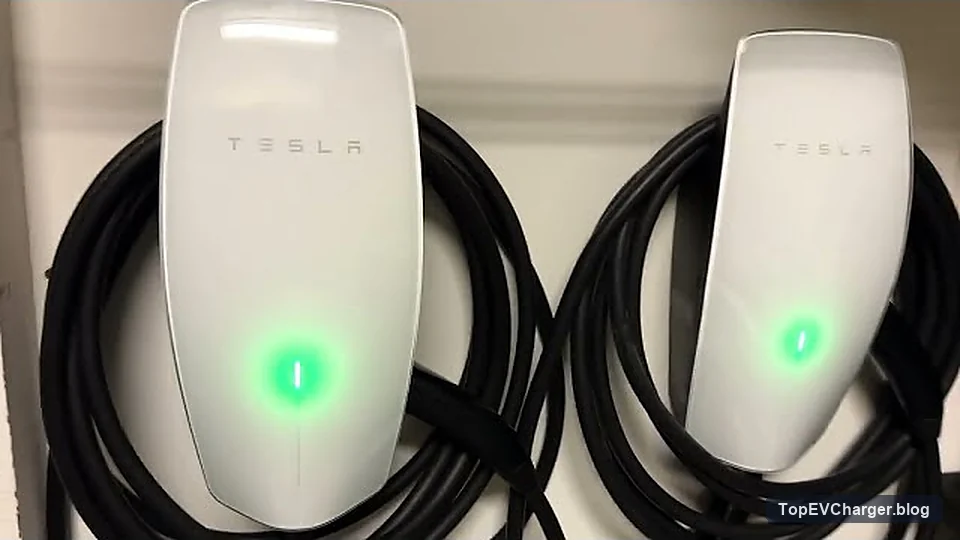
Conversely, the Tesla unit caps output at 48 amps, matching standard residential garage constraints. Selecting between these limits depends entirely on your home electrical panel capacity.
You can learn more in our Tesla Wall Connector review, noting that older hardware supported up to 80 amps on dedicated high-capacity circuits before modern revisions standardized at 48 amps.
Conversely, the Lucid Connected Home Charging Station outputs a robust 80 amps maximum, utilizing advanced power electronics designed to support high-draw residential electrical panels without tripping primary breakers.
- Lucid delivers 19.2 kW maximum power output.
- Tesla supplies up to 11.5 kW continuously.
- Both require dedicated hardwired circuit installations.
High-Amperage Circuit Demands
Operating an 80-amp EV supply equipment necessitates heavy-gauge copper wiring and professional load calculations. Upgrading existing residential electrical panels can add significant upfront expenses.
- Heavy copper cabling prevents thermal degradation.
- Professional electrical panel load audits are mandatory.
Circuit Protection and Wiring Demands
National Electrical Code mandates a continuous load factor of 125 percent, requiring heavy-gauge copper wiring and appropriately sized conduit when installing these high-amperage Level 2 EV charging stations safely.
Residential electricians must evaluate ambient garage temperatures and voltage drop calculations before terminating large service conductors into the internal terminal blocks of either charging hardware unit.
Connector Ergonomics, Cable Flexibility, and Thermal Management
Cable suppleness during sub-freezing mornings dictates everyday user satisfaction. The thick cable on the Lucid unit maintains flexibility thanks to specialized elastomeric outer jacketing materials.
Tesla utilizes a lighter, highly pliable tether that handles exceptionally well in tight garage spaces. Both designs integrate reliable strain relief boots preventing internal copper fatigue.
Ergonomic engineering dictates user comfort during daily plugging routines, where the Tesla unit utilizes a lightweight handle with a built-in release button communicating directly with vehicle charge ports.
According to our best level 2 home charging station guide, the Lucid unit employs balanced handle geometry featuring integrated thermal sensors to prevent overheating during high-draw summer sessions.
- Lucid features heavy-duty weather-resistant cable shielding.
- Tesla employs a remarkably flexible proprietary tether.
- Both connectors include robust locking latches.
Thermal Performance Under Load
Continuous high-current power transfer generates measurable internal heat within charging handles. Advanced temperature sensors automatically throttle current if terminal pins experience unsafe thermal spikes.
- Built-in thermistors monitor internal handle temperatures.
- Automated throttling prevents connector thermal damage.
Cable Construction and Cold Weather Handling
Maintaining flexibility in sub-freezing temperatures requires specialized thermoplastic elastomer jackets that prevent stiffness, allowing users to coil the 24-foot cable effortlessly despite harsh winter conditions.
Internal copper stranding counts directly influence the bend radius and overall weight of the tethered cable assembly, balancing durability against daily user fatigue during frequent garage storage.
Smart Grid Integration, Software Controls, and Dynamic Load Balancing
Modern home chargers require reliable Wi-Fi connectivity for remote scheduling and firmware updates. The Lucid ecosystem offers deep smartphone app integration tailored for energy monitoring.
As outlined in our Tesla Gen 3 Wall Connector review, the hardware delivers seamless over-the-air updates and multi-unit power sharing to prevent main service panel overloads.
Smart grid connectivity relies on robust Wi-Fi modules enabling seamless firmware updates, remote session scheduling, and integration with local utility demand-response programs to minimize residential electricity costs.
The Tesla ecosystem leverages proprietary app controls for power sharing across multiple units, whereas the Lucid platform incorporates Open Charge Point Protocol standards for broader third-party energy management system integration.
- Lucid utilizes companion smartphone application controls.
- Tesla enables native power sharing between chargers.
- Both support automated off-peak charging schedules.
Multi-Unit Power Sharing
Deploying multiple chargers in a single garage requires intelligent circuit sharing algorithms. Tesla hardware coordinates power distribution seamlessly without requiring expensive electrical service panel upgrades.
- Daisy-chain communication links multiple chargers.
- Dynamic amperage allocation protects main breakers.
Advanced Load Management Topologies
Dynamic load balancing prevents main service panel overloads by continuously measuring total home electrical consumption via current transformers and dynamically modulating EV charging amperage in real time.
Network security protocols safeguard residential routers from unauthorized access while transmitting granular energy consumption telemetry back to cloud databases for remote diagnostics and performance analysis.
Enclosure Durability, Weather Resistance, and Climate Performance
Outdoor installations demand high NEMA ingress protection ratings against driving rain and heavy snow. Both charging stations feature robust weatherproof enclosures engineered for year-round exterior mounting.
Direct sunlight exposure can degrade standard plastics over time. High-grade ultraviolet stabilizers protect these exterior housings from fading and structural embrittlement in hot desert climates.
Outdoor installation demands rigorous weatherproofing ratings, with both chargers achieving high NEMA 4 or equivalent ingress protection standards against driving rain, heavy snowstorms, and windblown dust particles.
Polycarbonate faceplates undergo extensive ultraviolet stabilization testing to prevent yellowing or structural degradation when exposed to direct sunlight in harsh desert environments over many years of service.
- Enclosures carry official outdoor weather ratings.
- Sealed internal electronics resist moisture corrosion.
- Operating temperature ranges exceed standard extremes.
Sub-Zero Climate Resilience
Winter weather tests the physical resilience of charging cables and plastic latches. Premium elastomeric compounds prevent tether stiffening during extended freezing temperature cycles.
- Cold-weather rated jackets prevent cracking.
- Latch mechanisms resist ice accumulation.
Thermal Dissipation and Internal Operating Limits
Passive cooling fins machined directly into the rear aluminum chassis dissipate internal component heat efficiently without relying on failure-prone mechanical cooling fans inside sealed enclosures.
Internal microprocessors continuously track ambient operating temperatures, automatically throttling charging current downward if internal thermal thresholds approach critical limits during extreme heat waves.
Installation Protocols, Electrical Code Requirements, and Safety Standards
National Electrical Code mandates strict safety protocols for permanent EV charger wiring installations. Licensed electricians must integrate appropriate ground-fault circuit interrupter protection into your panel.
Hardwiring connections eliminate potential point-of-failure risks associated with heavy industrial outlet receptacles. Proper torque specifications on terminal blocks prevent dangerous electrical arcing occurrences.
Professional installation requires adherence to local building codes, proper torque specifications on power terminals, and compliance with National Electrical Code Article 625 regarding electric vehicle supply equipment.
Integrated ground fault circuit interrupters provide vital personal protection by instantly disconnecting power if current leakage is detected across the internal circuit board or output cable assembly.
- National Electrical Code compliance is mandatory.
- Hardwired connections ensure long-term thermal safety.
- Professional installation prevents warranty voiding issues.
Torque Specifications and Terminal Safety
Ensuring correct screw terminal torque during installation prevents high-resistance connections. Professional contractors use calibrated tools to guarantee secure electrical contact across all power blocks.
- Calibrated torque drivers eliminate loose connections.
- Proper pressure stops terminal block oxidation.
Hardwire vs Plug-In Configuration Standards
Hardwired configurations eliminate potential failure points associated with heavy-duty NEMA 14-50 receptacles, ensuring maximum long-term reliability and satisfying strict building codes in various municipalities.
Licensed contractors must verify service panel capacity and install appropriate overcurrent protection devices before commissioning either high-power charging station for residential EV owner daily use.
Charging Efficiency, Standby Draw, and Real-World Speed Benchmarks
Conversion efficiency determines how much electricity actually reaches your vehicle battery pack. Both units achieve exceptional conversion ratings exceeding ninety-five percent under normal operating conditions.
Standby power consumption remains minimal while idle in standby mode overnight. Rapid replenishment rates ensure large battery packs achieve full state-of-charge before morning commutes.
Conversion efficiency measures how effectively alternating current from the grid transforms into direct current for the vehicle battery, with modern electronics achieving roughly 95 percent efficiency.
Parasitic standby power consumption remains exceptionally low for both units, ensuring minimal utility draw when the chargers sit idle between active vehicle charging sessions throughout the year.
- High conversion efficiency minimizes energy waste.
- Standby power draw is negligible.
- Fast replenishment speeds support daily driving.
Standby Power Consumption
Maintaining active Wi-Fi radios and control boards draws a tiny amount of vampire power. Modern EV supply equipment engineers these idle loads to consume under five watts.
- Idle power draw remains under five watts.
- Connected features incur minimal electricity costs.
Range Replenishment Rates per Hour
Delivering a full 48 amps continuously yields approximately thirty-seven miles of driving range per hour of charging, depending on the specific aerodynamic efficiency of the EV model.
Voltage sag under heavy residential loads can marginally impact actual power delivery speeds, making heavy-gauge supply wiring essential for maintaining peak charging performance during evening hours.
Ecosystem Compatibility, Adapter Protocols, and Vehicle Integration
Evaluated thoroughly in our Tesla J1772 Wall Connector review, connector standardization has shifted toward North American standards, ensuring long-term compatibility across evolving electric vehicle fleets.
Using approved third-party adapters allows cross-platform charging without risking damage to vehicle charge ports. Proper mechanical latching prevents accidental disconnection during active high-power transfer sessions.
Native connector design dictates vehicle compatibility, requiring certified adapters like the SAE J3400 standard to bridge proprietary hardware interfaces across diverse manufacturer lineups without risking thermal damage.
Seamless vehicle integration allows drivers to monitor charging progress, lock unauthorized connector usage, and schedule off-peak replenishment directly through smartphone applications or central infotainment touchscreens.
- Standardized plugs improve long-term hardware utility.
- Certified adapters protect vehicle inlet pins.
- Cross-brand compatibility broadens daily usability.
Adapter Safety and Certification
Relying on tested, certified adapter hardware protects both vehicle inlets and charging cables. Uncertified adapters can overheat and cause severe electrical damage during high-amperage sessions.
- UL certification ensures safe adapter operation.
- Proper pin alignment prevents arcing damage.
Interoperability and Future-Proofing Standards
As North American charging standards transition rapidly toward unified plug configurations, selecting hardware with modular cabling options ensures long-term utility across multiple generations of electric vehicles.
Comprehensive software update pathways allow manufacturers to deploy new communication protocols and grid interaction features remotely, protecting consumer investments against shifting utility regulatory frameworks.
Frequently Asked Questions
Can the Lucid unit charge non-Lucid electric vehicles safely?
Yes, the Lucid Connected Station utilizes standard universal J1772 connection protocols that comfortably accommodate virtually any compatible battery electric vehicle currently available on the broader retail automotive market today.
Utilizing proper manufacturer certified physical adapters ensures completely seamless cross-brand power delivery without ever risking thermal damage to sensitive onboard vehicle computer hardware components.
Does the Tesla Wall Connector require a specific dedicated circuit breaker?
The Tesla Wall Connector definitely requires a dedicated sixty-amp electrical circuit breaker to reliably deliver its maximum forty-eight-amp continuous power output safely to your electric vehicle every single night.
Professional residential electricians can easily configure lower internal amperage settings if your existing home service panel capacity requires manual load management adjustments.
Can multiple Tesla Wall Connectors share a single electrical circuit?
Up to six individual Tesla charging hardware units can intelligently daisy-chain together to dynamically share available home electrical amperage from one single shared circuit breaker setup safely.
This advanced automated power-sharing capability actively prevents residential electrical service panel overloads when charging multiple household battery electric vehicles simultaneously overnight without ever requiring expensive main electrical service upgrades.
Which charger provides faster replenishment speeds for a Lucid Air?
The Lucid Connected Home Charging Station delivers up to an impressive nineteen point two kilowatts of electrical power, yielding significantly faster replenishment speeds for large battery packs.
This exceptional high-output capability fully utilizes the advanced onboard dual-charger architecture found in specific luxury Lucid Air vehicle trim configurations during standard overnight residential charging sessions.
Are both charging stations rated for permanent outdoor weather exposure?
Both the Lucid Connected Station and the Tesla Wall Connector feature robust commercial-grade NEMA-rated weather-resistant exterior enclosures designed specifically for harsh garage or exterior environments.
These heavily sealed housings protect sensitive internal electrical components securely against heavy driving rain, winter snowstorms, and extreme ultraviolet solar radiation exposure over many decades of dependable everyday use.