Level 1 vs. Level 2 Ev Charger: Which Fits Your Setup Better?
Choosing the right residential charging architecture requires balancing electrical capacity with daily driving demands. This technical breakdown evaluates voltage, installation realities, and thermal performance.

For most modern households, the Level 2 Ev Charger wins due to rapid replenishment speeds and superior thermal efficiency. Level 1 remains viable strictly for ultra-low mileage daily commuters.
Compare all top models in our Best Ev Level 2 Charger.
Side-by-Side Breakdown
| Criteria | Level 1 | Level 2 Ev Charger | Edge |
|---|---|---|---|
| Peak Performance & Output | 1.4 kW to 1.9 kW (120V) | 7.4 kW to 19.2 kW (240V) | Level 2 Ev Charger |
| Duty Cycle & Consistency | Low continuous thermal load | High continuous thermal stress | Level 2 Ev Charger |
| Operating Noise & Vibration | Silent passive cooling | Minimal relay click and fan hum | Level 1 |
| Portability & Footprint | Highly portable cordset | Wall-mounted heavy chassis | Level 1 |
| Maintenance & Service Life | Minimal wear on household outlet | Requires receptacle and wiring inspection | Level 1 |
| Power Requirements | Standard NEMA 5-15 outlet | Dedicated 240V breaker panel circuit | Level 2 Ev Charger |
| Best Ideal Use-Case | Plug-in hybrids or low miles | Daily BEV primary transit | Level 2 Ev Charger |
Fundamentals of Household EV Charging Architecture
Residential electric vehicle charging relies on converting alternating current from the grid into direct current for the onboard battery pack. Understanding this conversion process highlights why hardware tiers differ fundamentally in power delivery capabilities.
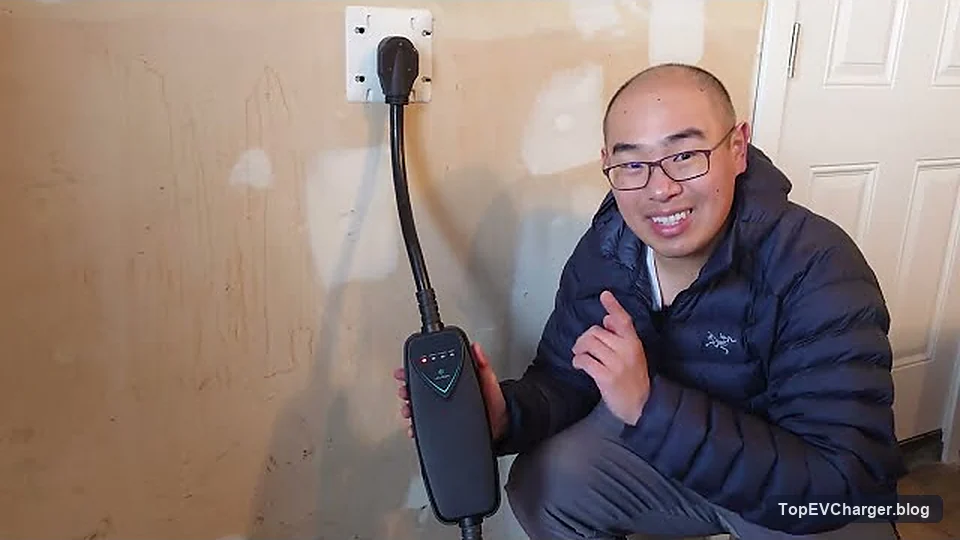
Standard household wiring supports basic portable units without specialized electrical modifications. Permanent high-output stations require dedicated hardware installation to handle increased amperage loads safely over extended operational windows.
Choosing between these architectures depends heavily on your vehicle battery capacity and overnight dwell times. Evaluating your driving habits prevents under-provisioning your home charging infrastructure.
- Alternating current grid conversion dynamics
- Portable cordset versus permanent hardwired units
- Amperage load capacity considerations
Core Operational Differences
Level 1 architecture utilizes standard household receptacles for slow trickle charges. Conversely, dedicated 240-volt systems like the best level 2 charger for jeep 4xe supply substantial electrical current directly.
Evaluating your daily mileage requirements ensures your chosen setup maintains reliable battery reserves without putting undue strain on residential electrical distribution panels.
- 120-volt standard household outlets
- 240-volt dedicated circuit architecture
Electrical Engineering Specifications and Voltage Mechanics
Engineering specifications dictate how much energy reaches your electric vehicle during every charging session. Voltage differentials dictate the foundational speed at which electrons flow through the onboard charging module.
Standard household circuits operate at 120 volts, restricting maximum amperage to twelve or sixteen amps continuously. Dedicated high-voltage circuits elevate potential delivery significantly, reducing total replenishment time exponentially.
Proper circuit sizing prevents tripping breakers and protects sensitive residential wiring from excessive heat accumulation during long recharging sessions.
- 120V versus 240V circuit design
- Amperage limits and continuous loads
- Onboard charger conversion efficiency
Circuit Protection and Amperage Limits
National Electrical Code guidelines require continuous loads to operate at eighty percent of breaker capacity. This safety margin prevents overheating in residential wiring during long, multi-hour charging sessions.
Standard 15-amp outlets limit equipment to twelve continuous amps. Selecting equipment from our best budget level 2 charger roundup allows safe continuous delivery up to forty amps.
- Eighty percent rule for continuous loads
- Breaker sizing and wire gauge requirements
Charging Speeds and Real-World Range Replenishment Rates
Range replenishment rates vary drastically between standard wall outlets and dedicated high-voltage charging units. Hourly range recovery serves as the primary metric for evaluating everyday charging convenience and efficiency.
Basic Level 1 connections deliver minimal range per hour. High-output alternatives featured in our best level 2 charger for tesla guide restore twenty to sixty miles of range.
Matching your hardware output to your vehicle acceptance rate guarantees optimal energy transfer speeds without hardware throttling.
- Two to five miles per hour for Level 1
- Twenty to sixty miles per hour for Level 2
- Battery capacity and ambient temperature impact
Matching Hardware to Daily Commute Demands
Daily driving distance dictates whether slow trickle charging satisfies your transportation requirements. Commuters driving under thirty miles daily often find basic equipment sufficient for overnight replenishment.
Long-distance commuters or multi-vehicle households require rapid high-voltage replenishment to maintain operational readiness without relying heavily on expensive public fast-charging infrastructure.
- Sub-thirty mile daily commute thresholds
- Multi-vehicle household energy demands
Installation Realities, Permitting, and Infrastructure Upgrades
Installing residential charging equipment involves varying degrees of electrical complexity and professional labor requirements. Panel capacity assessments are critical before integrating high-amperage equipment into older residential electrical systems.
Basic equipment requires zero installation effort beyond plugging into an existing grounded receptacle. Permanent systems demand licensed electricians to run heavy-gauge wiring and mount robust enclosures securely.
Adhering to local building codes ensures insurance validity and protects your property against electrical faults.
- Plug-and-play simplicity for basic units
- Licensed electrician requirement for 240V
- Electrical panel capacity evaluations
Evaluating Your Home Electrical Panel
Older homes with 100-amp service panels often require expensive service upgrades before installing heavy electrical loads. Choosing from our best ev level 2 charger options ensures proper capacity matching.
Local permitting offices enforce strict electrical codes regarding conduit routing, GFCI protection, and outdoor weatherproofing for all permanent residential installations to ensure long-term safety.
- 100-amp versus 200-amp service panels
- GFCI protection and conduit requirements
Thermal Management, Safety Standards, and Duty Cycles
Thermal management plays a vital role in maintaining equipment longevity and preventing catastrophic electrical failures during operation. Continuous duty ratings test the internal components under maximum thermal stress conditions.
Basic trickle units generate minimal heat due to low current flow, reducing thermal stress on plugs. High-amperage equipment incorporates advanced cooling fins and temperature sensors to prevent thermal runaway.
Robust thermal engineering ensures reliable performance across freezing winters and scorching summer heatwaves.
- Thermal stress and component longevity
- Internal temperature sensor integration
- UL certification and safety standards
Understanding UL Certification and Compliance
Nationally Recognized Testing Laboratories evaluate all charging hardware for rigorous electrical safety and weather resistance standards. Using uncertified equipment increases the risk of residential electrical fires.
Professional-grade enclosures feature robust NEMA ratings to withstand severe outdoor weather conditions, moisture ingress, and accidental physical impacts without compromising internal electrical integrity.
- NRTL testing and certification marks
- NEMA enclosure weatherproofing ratings
Auxiliary Battery Maintenance Across Both Tiers
The low-voltage auxiliary battery powers essential vehicle computers and safety systems regardless of charging tier. DC-to-DC converters maintain this critical battery during extended high-voltage vehicle charging sessions.
Slow overnight charging sessions keep auxiliary systems active for longer durations, occasionally causing premature auxiliary battery wear. Modern electric vehicles manage this intelligently, but routine inspection remains necessary.
Preventing auxiliary drainage ensures your vehicle initializes its high-voltage contactors reliably every single morning.
- 12V auxiliary battery health monitoring
- DC-to-DC converter operational cycles
- Extended dwell time considerations
Preventing Auxiliary Battery Depletion
Long charging durations mean auxiliary computers remain powered, drawing minor currents from the 12-volt battery system. Ensuring software updates are current prevents parasitic drain issues during prolonged charging.
Routine diagnostic checks help identify failing auxiliary batteries before they prevent your electric vehicle from initializing its high-voltage contactors and starting successfully.
- Parasitic drain management
- Software update protocols
Economic Efficiency and Long-Term Operating Costs
Evaluating total cost of ownership involves comparing upfront hardware expenses against long-term energy efficiency gains. Charging efficiency losses are higher during slower sessions because vehicle onboard systems remain awake longer.
High-voltage equipment reduces total system active time, minimizing auxiliary electrical draw and optimizing overall energy transfer efficiency. Utility time-of-use rate structures maximize savings during scheduled overnight windows.
Strategic energy management turns residential charging into a significant monthly financial savings mechanism.
- Standby energy consumption differences
- Time-of-use utility rate optimization
- Upfront hardware versus operational savings
Maximizing Utility Rate Incentives
Smart charging hardware allows users to schedule replenishment during off-peak hours when electricity rates drop significantly. Capitalizing on these utility programs reduces monthly fueling expenses substantially.
Balancing equipment installation costs against long-term utility savings helps homeowners determine the optimal charging tier for their specific budgetary and transportation needs.
- Off-peak scheduling capabilities
- Rebate and incentive programs
Frequently Asked Questions
Can I use an extension cord with my residential EV charging equipment?
Using standard extension cords with residential charging equipment creates severe fire hazards due to high resistance and continuous electrical loads. Always plug units directly into dedicated wall receptacles.
Do I need a permit to install a permanent high-voltage home charging station?
Most local building authorities require electrical permits for installing permanent 240-volt charging equipment to ensure compliance with safety codes. Professional electricians typically handle this permitting process directly.
Why does charging slow down significantly when the vehicle battery approaches full capacity?
Battery management systems intentionally taper electrical current as cells approach maximum capacity to prevent overheating and cell degradation. This protective thermal throttling occurs across all charging tiers.
Will frequent high-voltage charging degrade my electric vehicle battery faster?
Modern electric vehicles feature sophisticated thermal management systems that protect battery packs from degradation during high-voltage charging sessions. Standard daily use remains well within safe operational parameters.
How do outdoor weather conditions impact residential EV charging performance?
Extreme ambient temperatures force onboard thermal management systems to consume energy for battery conditioning rather than driving range. Quality enclosures protect hardware from moisture and freezing temperatures.