Level 1 vs. Level 2 Charging: Which Fits Your Setup Better?
Selecting your residential EV supply equipment requires balancing daily driving mileage against your home's available electrical capacity. Understanding these fundamental charging topologies ensures optimal battery health and predictable daily energy replenishment.

For everyday commuters and multi-car households, Level 2 is the definitive winner due to rapid energy recovery. Level 1 remains a viable backup choice strictly for low-mileage drivers with minimal daily transit needs.
Compare all top models in our Best Ev Level 2 Charger.
Side-by-Side Breakdown
| Criteria | Level 1 | Level 2 Charging | Edge |
|---|---|---|---|
| Peak Performance & Output | 1.4 kW (120V / 12A) | 7.2 to 11.5 kW (240V / 30-50A) | Level 2 Charging |
| Duty Cycle & Consistency | Extended duration sessions | Rapid overnight replenishment | Level 2 Charging |
| Operating Noise & Vibration | Completely silent passive cooling | Silent operation with optional smart fans | Tie |
| Portability & Footprint | Highly portable trunk cordset | Wall-mounted enclosure with heavy cable | Level 1 |
| Maintenance & Service Life | Minimal wear on standard outlets | Requires periodic terminal inspections | Level 1 |
| Power Requirements | Standard household NEMA 5-15 outlet | Dedicated 240V double-pole circuit | Level 1 |
| Best Ideal Use-Case | Low-mileage plug-in hybrids | Daily commuters and full battery EVs | Level 2 Charging |
Defining the Electrical Foundations of Level 1 Equipment
Level 1 charging hardware utilizes standard NEMA 5-15 household receptacles. Delivering 120 volts of alternating current, these entry-level cords plug directly into ordinary wall outlets without specialized electrical modifications.
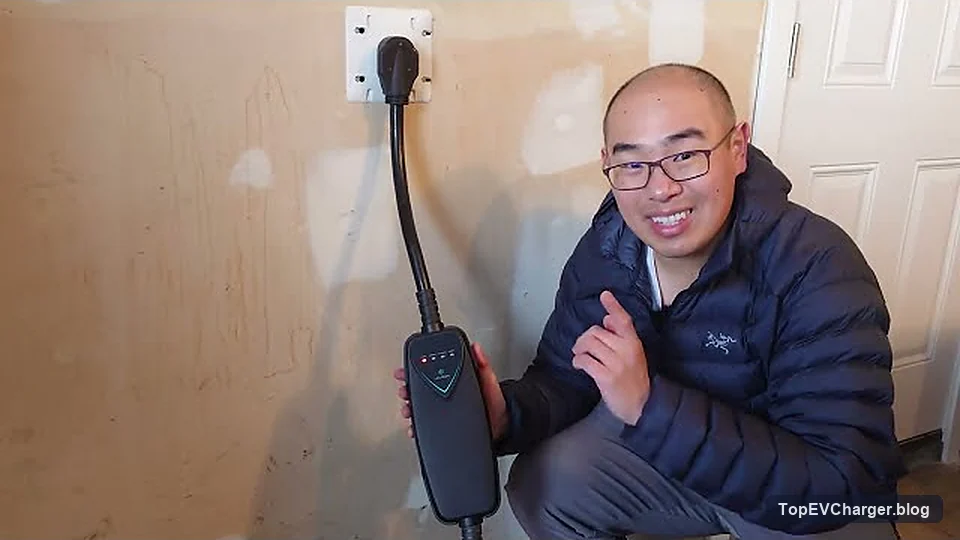
Output currents are typically limited to 12 amps, yielding approximately 1.4 kilowatts of usable power. This modest electrical delivery suits vehicles sitting idle for extended periods overnight or on weekends.
Portable cordsets offer unmatched convenience for drivers who park near existing garage outlets. However, the slow energy transfer rate requires careful alignment with your daily driving mileage habits.
- Standard 120-volt residential wall plug connectivity.
- Fixed 12-amp draw delivering 1.4 kW capacity.
- Zero dedicated wiring or breaker panel upgrades required.
Evaluating Cordset Safety and Onboard Integration
The portable cordset houses an inline control box managing ground fault protection. Vehicle onboard chargers convert this incoming alternating current into direct current for the battery pack.
Thermal sensors inside the standard plug monitor temperature increases during long sessions. If excessive heat develops, the unit automatically throttles current to prevent household wiring damage.
- Integrated circuit control box managing fault protection.
- Inline thermal sensors monitoring receptacle temperature rises.
Architectural Scope and Circuit Realities of Level 2 Units
Level 2 residential equipment operates on 240 volts of alternating current. This higher voltage mirrors heavy-duty kitchen appliances like electric ranges and clothes dryers requiring dedicated double-pole circuit breakers.
Amperage ratings typically range from 30 to 50 amps for hardwired or plug-in setups. This robust configuration delivers between 7.2 and 11.5 kilowatts directly to your electric vehicle.
Choosing hardware from our best level 2 home charging station lineup transforms residential garage replenishment into a rapid experience. Proper circuit engineering protects your home's electrical grid during peak draw periods.
- Requires dedicated 240-volt double-pole electrical circuits.
- Amperage ranges from 30 amps up to 50 amps.
- Delivers substantial power outputs between 7.2 and 11.5 kW.
Hardwired Versus Plug-In Installations
Hardwired units eliminate receptacle failure points and support maximum continuous amperage safely. Plug-in models utilize NEMA 14-50 outlets, offering portability if you relocate your charging equipment later.
Both configurations demand professional electrician assessments to evaluate main panel capacity. Exceeding local electrical code requirements ensures long-term operational safety and residential code compliance.
- Hardwired connections eliminate mechanical receptacle wear points.
- NEMA 14-50 plug-in units provide installation flexibility.
Energy Transfer Rates, Amperage, and Real-World Recovery Speeds
Speed differences between both technologies dictate your daily convenience factor. Level 1 equipment recovers roughly two to five miles of driving range for every single hour plugged into the wall.
Conversely, Level 2 infrastructure replenishes 20 to 30 miles of range per hour. This velocity completely refills a depleted large-capacity battery pack overnight while you sleep.
Evaluating your daily commute distance helps determine whether slow trickle charging satisfies your lifestyle or leaves you stranded with low state-of-charge warnings.
- Level 1 adds 2 to 5 range miles hourly.
- Level 2 delivers 20 to 30 range miles hourly.
- Overnight recovery favors Level 2 for large batteries.
Accounting for Conversion Losses and Ambient Temperatures
Onboard chargers experience thermal conversion losses during AC-to-DC energy transfer. Protecting your equipment against harsh temperatures is detailed further inside our winterizing outdoor level 2 ev charging station guide.
Cold winter weather further impacts charging efficiency by forcing thermal management systems to warm batteries. High-power Level 2 units handle these climate demands much faster than basic cords.
- Longer conversion cycles increase cumulative standby energy losses.
- Sub-zero temperatures demand active battery thermal management power.
Thermal Management, Safety Protections, and Electrical Standards
Safety certifications govern all listed hardware, especially when exploring details on how does level 2 electric vehicle charging work. Underwriters Laboratories standards mandate rigorous drop testing and robust overcurrent protection across every manufactured cord.
Level 2 chargers incorporate sophisticated ground-fault circuit interrupters monitoring current balance. Any imbalance instantly trips the internal relay, cutting power before electrical shock hazards threaten human operators.
Rigorous adherence to National Electrical Code guidelines prevents residential fires and guarantees that your charging hardware operates within safe thermal thresholds.
- Certified under strict Underwriters Laboratories electrical safety standards.
- Advanced GFCI protection monitors live current imbalances constantly.
- Enclosures rated for outdoor weather and heavy impacts.
Managing Cable Flexibility and Connector Wear
Copper conductors inside heavy-duty cables experience mechanical fatigue over years of coiling. Quality equipment uses flexible thermoplastic elastomers maintaining pliability even during freezing winter conditions outdoors.
J1772 connector latches and contact pins endure thousands of mating cycles. Regular maintenance spraying with approved contact cleaners prevents oxidation and preserves optimal electrical conductivity over time.
- Thermoplastic elastomer jackets maintain cold-weather cable flexibility.
- Connector pins require occasional cleaning to prevent oxidation.
Installation Ergonomics, Infrastructure Upgrades, and Wiring Demands
Before upgrading your service, review our guide on whether you can a 100 amp panel support level 2 charging safely. Homeowners evaluate outlet wiring gauges to ensure standard copper lines handle continuous loads.
Level 2 deployments frequently necessitate panel capacity evaluations and heavy copper wire runs. Electricians install thick cables through conduit, mounting wall enclosures securely at ergonomic heights for comfortable daily handling.
Thoughtful spatial planning in your garage prevents physical strain on cables and ensures easy access for daily vehicle plugging routines without awkward bending.
- Level 1 involves zero setup beyond standard wall outlets.
- Level 2 requires professional panel upgrades and conduit runs.
- Ergonomic mounting heights reduce physical cable strain.
Assessing Garage Layouts and Cord Management
Proper garage layout planning prevents tripping hazards from loose charging cables. Wall-mounted holsters and overhead cable retractors keep heavy lines off concrete floors, protecting insulation from vehicle tire damage.
Positioning the enclosure near your vehicle charge port avoids tension on terminal connections. Thoughtful spatial design significantly extends the operational lifespan of both cables and vehicle inlet ports.
- Wall holsters and retractors prevent floor damage.
- Strategic placement avoids mechanical tension on vehicle ports.
Daily Duty Cycles, Vehicle Battery Health, and Efficiency Profiles
Battery management systems regulate cell temperatures throughout every charging session. Operating continuously at lower currents allows Level 1 to complete gentle transfers, though extended duration keeps auxiliary systems awake.
Level 2 minimizes electronic module active time by finishing replenishment quickly. Modern lithium-ion packs handle both speeds comfortably without experiencing accelerated degradation under normal residential operating parameters.
Matching your charging protocol to actual weekly mileage ensures that vehicle electronics spend appropriate downtime in sleep mode between driving trips.
- BMS technology protects cells across all charging speeds.
- Level 2 minimizes vehicle computer module active time.
- Lithium-ion chemistry tolerates both daily replenishment methods safely.
Tailoring Charging Habits to Commuter Demands
Drivers covering under thirty miles daily often find baseline equipment completely sufficient. Weekend road warriors or dual-EV households quickly outgrow slow speeds, making higher power output an absolute necessity.
Evaluating your actual weekly mileage prevents overspending on heavy electrical upgrades. Matching your hardware choice directly to commuting realities optimizes household energy expenditure and daily convenience.
- Low-mileage drivers successfully utilize basic outlet equipment.
- Dual-vehicle homes require faster residential energy replenishment rates.
Economic Realities: Hardware Longevity Versus Utility Rates
Initial financial investments vary dramatically between basic cords and advanced wall units. While baseline equipment costs nothing extra upfront, utility time-of-use rate structures favor rapid overnight energy transfer windows.
Charging faster during off-peak hours maximizes utility savings under smart rate plans. High-efficiency Level 2 hardware captures cheap nighttime electricity far more effectively than slow legacy trickle options.
Balancing upfront installation expenses against ongoing monthly electricity savings helps homeowners select the most financially sensible residential charging configuration.
- Initial hardware expenses differ significantly between types.
- Off-peak utility rate plans favor rapid energy transfer.
- Smart scheduling features optimize monthly electricity bill savings.
Evaluating Long-Term Equipment Durability and Warranties
Reputable manufacturers back residential charging hardware with comprehensive three-year warranties. Commercial-grade internal components resist power surges, ensuring reliable operation through thousands of heavy residential duty cycles.
Investing in robust surge protection devices safeguards sensitive vehicle electronics from lightning strikes. Proper maintenance guarantees your charging investment delivers dependable performance for over a decade.
- Three-year manufacturer warranties protect hardware investments.
- Surge suppression devices shield internal electronics from damage.
Frequently Asked Questions
Can I use an extension cord with my Level 1 or Level 2 charger?
Never use standard household extension cords with electric vehicle charging equipment because high continuous current draws quickly melt plastic insulation and create severe electrical fire hazards.
If you require additional reach for your parking spot, you must have a licensed electrician install a proper, heavy-duty circuit closer to the vehicle.
Will Level 2 charging degrade my electric vehicle battery faster?
Advanced battery management systems actively monitor and regulate individual cell temperatures throughout every single Level 2 energy transfer session to completely prevent internal thermal stress.
Extensive real-world industry data confirms that standard residential Level 2 charging causes negligible long-term cell degradation compared to frequent public DC fast-charging sessions.
Do I need a permit to install a Level 2 home charger?
Local electrical building codes almost universally require professional permits and formal municipal inspections for new 240-volt dedicated circuit installations to guarantee complete residential electrical safety.
Hiring a licensed electrical contractor ensures your home wiring meets all local regulatory standards and fully protects your comprehensive homeowners insurance coverage against accidental losses.
Can Level 1 charging handle a full battery replenishment overnight?
Standard Level 1 equipment only adds about two to five miles of driving range per hour, making complete overnight battery replenishment impossible for large modern vehicle battery packs.
Drivers with long daily commutes will quickly find that baseline 120-volt charging leaves their electric vehicles severely undercharged by morning departure time.
What electrical upgrades are needed for a smart Level 2 charger?
Smart Level 2 chargers typically require a dedicated 50-amp double-pole circuit breaker and heavy-gauge copper wiring routed safely through protective metal conduit.
If your main residential electrical service panel lacks physical breaker space or total amperage headroom, a certified electrician must install a subpanel or complete utility service upgrade first.