Level 1 vs. Level 2 Charging Battery Life: Which Setup Protects Your EV?
Selecting the proper residential charging architecture requires balancing thermal efficiency against daily driving demands. Understanding your EV battery chemistry ensures long-term capacity retention without unnecessary hardware strain.

Level 1 offers ultra-low current stress, but Level 2 provides superior thermal management balance and efficiency, making it the overall winner for modern daily driving workloads.
Compare all top models in our Best Ev Level 2 Charger.
Side-by-Side Breakdown
| Criteria | Level 1 | Level 2 Charging Battery Life | Edge |
|---|---|---|---|
| Peak Performance & Output | 1.4kW to 1.9kW standard household draw | 7.2kW to 19.2kW dedicated circuit output | Level 2 Charging Battery Life |
| Duty Cycle & Consistency | Extremely long, multi-day replenishment windows | Rapid 4-to-8 hour full charge cycles | Level 2 Charging Battery Life |
| Operating Noise & Vibration | Completely silent passive cooling profile | Quiet operation with intermittent internal fan cooling | Level 1 |
| Portability & Footprint | Highly portable cordset fits in trunk | Wall-mounted hardwired or plug-in enclosure | Level 1 |
| Maintenance & Service Life | Minimal electrical stress on vehicle inverter | Balanced thermal load reduces onboard losses | Level 2 Charging Battery Life |
| Power Requirements | Standard NEMA 5-15 standard wall outlet | Dedicated 240V high-amperage electrical circuit | Level 1 |
| Best Ideal Use-Case | Low-mileage commuters and plug-in hybrids | Daily high-mileage EV owners and families | Level 2 Charging Battery Life |
Understanding the Fundamentals of Electric Vehicle Charging Speeds
Every electric vehicle relies on converting alternating current from your home into direct current for the battery pack. This power conversion process generates inherent heat, which directly influences the long-term health of your chemistry.
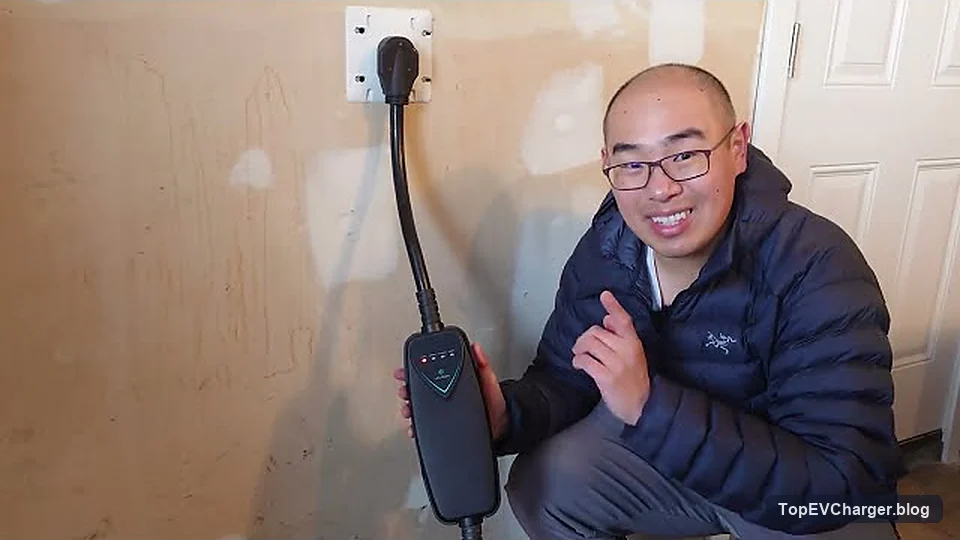
Our level 2 charging operation guide explores foundational differences between standard sockets and dedicated high-voltage equipment. Analyzing these speeds helps drivers protect their high-voltage assets during daily transit.
Electric vehicle charging speeds depend on the conversion efficiency between alternating current from the grid and direct current stored inside the lithium-ion battery pack architecture. Onboard chargers manage this critical power transformation securely.
Understanding baseline electrical parameters helps homeowners protect their vehicle infrastructure. Voltage variations directly influence the overall amperage draw, dictating how fast electrons safely migrate into the electrochemical cell structure during everyday operations.
- Standard household circuits deliver minimal current loads
- Higher voltage lines reduce total active charging duration
- Power conversion efficiency shifts depending on input amperage
- Grid capacity limits determine maximum household amperage draws.
- Onboard charger limits restrict incoming AC power throughput.
Charging Levels at a Glance
Level 1 equipment plugs directly into standard residential receptacles without modification. It delivers roughly two to five miles of driving range per hour, creating very long replenishment cycles.
Level 2 architecture requires specialized residential electrical upgrades but supplies robust power. This configuration restores twenty to sixty miles of range hourly for efficient turnaround times.
- Level 1 uses standard 120-volt household outlets
- Level 2 utilizes heavy-duty 240-volt dedicated circuits
Decoding the Physics of Level 1 Baseline Power Delivery
Operating on a standard 120-volt circuit, Level 1 equipment draws roughly twelve to sixteen amps. This modest energy flow creates virtually zero thermal stress on the vehicle charging port and onboard electronics.
Because power delivery is extremely slow, the onboard thermal management system rarely activates cooling loops. However, extended charging times mean internal computers stay awake longer, causing parasitic energy loss overall.
Level 1 equipment relies on standard household circuits delivering 120 volts at 12 amps continuous maximum output. This supplies approximately 1.4 kilowatts of raw power, creating lengthy replenishment cycles for modern electric vehicles.
Our 100 amp panel support guide examines whether older residential wiring can safely handle extended thermal resistance. Prolonged electrical stress during overnight sessions can accelerate component degradation inside standard wall receptacles.
- Low amperage minimizes immediate thermal resistance
- Extended active hours keep onboard computers powered
- Overall conversion efficiency drops during extended sessions
- Standard NEMA 5-15 outlets experience high continuous resistance.
- Thermal thresholds demand dedicated circuits for safety compliance.
Basics of Electric Vehicle Charging Mechanics
The onboard charger converts AC grid power to DC pack storage continuously. Low-draw systems minimize component heat accumulation but increase parasitic drain from auxiliary control modules staying active.
Minimizing electrical stress sounds ideal for longevity, yet prolonged converter operation introduces different wear patterns. Balancing active cooling duration against total cycle time remains vital for cell preservation.
- Onboard converters manage internal cell voltage regulation
- Control modules draw steady power during charging sessions
Evaluating Level 2 Architecture and High-Output Delivery
Level 2 units supply 240 volts at currents ranging from sixteen to eighty amps. This substantial throughput slashes replenishment times, allowing vehicles to reach full capacity during off-peak overnight electricity hours.
Faster replenishment means your vehicle spends less total time with active control systems running. This efficiency prevents unnecessary vampire drain on the vehicle electrical grid infrastructure.
Our outdoor charging winterization guide highlights how split-phase 240-volt equipment delivers 3.8 to 19.2 kilowatts. This substantial power increase reduces complete replenishment times to just a few safe hours.
Hardwired installations eliminate vulnerable mechanical connection points like heavy-duty plug receptacles. Utilizing thicker copper wiring guarantees stable delivery while maintaining compliance with local National Electrical Code standards for residential garages.
- Dedicated 240-volt lines supply high continuous amperage
- Shorter charging windows reduce auxiliary computer uptime
- Optimized schedules align with utility rate structures
- Split-phase 240V lines drastically reduce total energy loss.
- Hardwired units minimize heat buildup at connection terminals.
What Installing Level 2 Actually Involves
Professional installation requires running heavy copper wiring from your main electrical panel to a garage wall. Electricians must verify total panel capacity to handle the continuous load safely.
Hardwired units or heavy-duty receptacles ensure safe delivery of high current levels. Proper grounding and breaker sizing protect your home and vehicle from electrical faults.
- Requires dedicated circuit breaker installation
- Heavy-gauge wiring prevents excessive voltage drop
Chemistry Realities: How Current Affects Lithium-Ion Degradation
Lithium-ion cells degrade primarily through chemical aging, calendar wear, and thermal stress. Moderate charging currents prevent localized high temperatures that accelerate electrolyte breakdown inside individual pouch cells.
Our best level 2 home charging station guide evaluates models designed to protect pack longevity while offering fast recovery. These units maintain safe manufacturer parameters during daily residential use.
High current charging introduces localized mechanical stress within the cathode and anode materials. Rapid lithium-ion intercalation forces micro-cracks in the crystal lattice, accelerating permanent capacity fade over hundreds of operating cycles.
Conversely, slower Level 1 charging applies minimal electrical force, reducing internal resistance heating. However, the extended duration spent at elevated states of charge can induce minor solid electrolyte interphase growth inside cells.
- Chemical degradation depends on temperature and state of charge
- Home charging speeds avoid extreme high-rate degradation
- Internal resistance changes gradually over thousands of cycles
- Intercalation stress scales directly with high amperage rates.
- Extended dwell times at 100 percent increase chemical wear.
Factors Influencing Battery Longevity
Keeping your state of charge between twenty and eighty percent protects cell integrity. Extreme high or low charge states combined with heat create accelerated wear on cathode structures.
Climate exposure significantly impacts overall capacity retention across seasonal temperature swings. Managing parking conditions helps mitigate environmental stress on the high-voltage pack.
- State of charge management preserves cathode stability
- Extreme ambient temperatures accelerate chemical aging
Thermal Management Systems During Active Charge Cycles
Modern electric vehicles utilize liquid-cooling loops to regulate pack temperatures during replenishment. Level 2 charging initiates these pumps efficiently, maintaining optimal temperatures without running excessively long.
During Level 1 sessions, low heat generation rarely triggers active liquid cooling loops. While this seems beneficial, lack of temperature management can leave packs vulnerable in extreme ambient cold.
Modern electric vehicles employ sophisticated liquid cooling loops to regulate pack temperatures during high-output Level 2 sessions. Maintaining optimal thermal equilibrium prevents premature chemical breakdown of the sensitive internal components.
Level 1 charging often relies solely on passive ambient cooling due to low thermal output. While this avoids auxiliary pump wear, it extends the total timeframe components remain exposed to ambient heat loads.
- Liquid cooling maintains uniform cell temperatures
- Active thermal loops prevent localized hot spots
- Proper climate control preserves overall capacity
- Active coolant loops prevent localized hot spots during fast sessions.
- Passive cooling systems require longer dissipation windows in summer.
Home Charging Dynamics and Heat Dissipation
Efficient thermal dissipation protects internal cell tabs from micro-cracking over years of service. Balanced energy flow ensures stable temperatures across all battery modules.
Garage insulation and climate control further stabilize operating conditions during high-output sessions. This environment prevents sudden thermal spikes that degrade pack capacity over time.
- Garage insulation stabilizes ambient charging temperatures
- Cell tabs require steady thermal dissipation
Auxiliary 12V Battery Draw and Standby Energy Losses
Every time you plug in your electric vehicle, onboard computers and telematics modules wake up. Level 1 sessions keep these auxiliary computers powered much longer, increasing parasitic drain on the 12V battery.
Level 2 systems complete power transfer rapidly, allowing vehicle computers to enter deep sleep mode sooner. This efficiency preserves the health of your auxiliary 12V power supply.
Whenever an electric vehicle connects to an alternating current power source, onboard computers remain fully active. This auxiliary systems draw power from the 12-volt battery, which requires periodic replenishment from the main pack.
Slower charging sessions prolong this computer-on state, increasing cumulative vampire drain over time. Utilizing higher power throughput minimizes the total duration these auxiliary computers remain powered, improving overall system energy efficiency.
- Telematics modules remain active during charging sessions
- Extended charging windows increase auxiliary electrical load
- Rapid power delivery protects the 12V battery
- Extended session times increase total auxiliary vampire draw.
- DC-DC converters operate continuously during active AC charging.
Why the 12V Auxiliary Battery Needs Care
The auxiliary battery powers door locks, displays, and high-voltage contactor relays. Premature failure of this component leaves your vehicle immobilized regardless of main pack charge.
Choosing efficient charging setups reduces unnecessary computer uptime, extending the operational lifespan of your auxiliary electrical support systems.
- Auxiliary batteries operate vehicle control computers
- Minimizing computer uptime prevents premature failure
Matching Equipment Selection to Your Daily Mileage Needs
Evaluating your daily driving distance helps determine the ideal charging hardware upgrade. Drivers covering under thirty miles daily often find Level 1 entirely sufficient for needs without wiring expenses.
Commuters driving long distances or operating multi-vehicle households require Level 2 capability. Ensuring reliable overnight replenishment prevents range anxiety and maintains uninterrupted mobility.
Selecting appropriate charging hardware requires analyzing your average daily driving distance alongside local utility tariff structures. Homeowners with high mileage commutes benefit immensely from dedicated circuit installations capable of rapid overnight replenishment.
Conversely, drivers covering minimal daily miles can easily rely on basic equipment without sacrificing battery longevity. Evaluating realistic transportation needs ensures you avoid unnecessary electrical upgrades while protecting your long-term investment.
- Low mileage drivers can rely on basic outlets
- High mileage commuters benefit from rapid replenishment
- Multi-vehicle homes require robust electrical capacity
- Daily mileage metrics dictate required amperage output.
- Utility time-of-use windows favor faster charging speeds.
The Upgrade Decision Boiled Down
Upgrading your home infrastructure requires balancing upfront electrical costs against long-term convenience. Analyzing your specific driving habits ensures you select the optimum configuration for your lifestyle.
Proper equipment matching protects battery health while delivering dependable daily vehicle readiness. Making an informed choice eliminates unnecessary expenses and maximizes long-term value.
- Balance installation costs against daily driving demands
- Ensure electrical panel compatibility before purchasing hardware
Frequently Asked Questions
Does Level 1 charging degrade EV battery health faster than Level 2?
Neither charging level causes accelerated chemical degradation under normal residential conditions. Level 1 provides lower current, but Level 2 offers superior thermal efficiency overall.
How much range does Level 2 add compared to standard Level 1?
Level 1 adds roughly two to five miles of range hourly. Meanwhile, Level 2 supplies twenty to sixty miles hourly, ensuring rapid overnight replenishment for daily commuters.
Does faster charging generate more heat inside the battery pack?
Faster charging does increase internal resistance, but modern liquid cooling systems manage temperatures effectively. Proper thermal management prevents excessive heat accumulation during active sessions.
Why do vehicle computers stay awake longer during Level 1 charging?
Because energy transfer takes many hours, onboard control modules remain powered continuously. This extended computer uptime creates minor parasitic energy loss across sessions.
Is upgrading to a home Level 2 charger worth the installation cost?
Installing Level 2 equipment is worthwhile if your daily commute exceeds standard outlet capacity. It ensures reliable daily readiness and improves overall charging efficiency.