Juicebox 40 vs. Wallbox Pulsar Plus: Which Fits Your Setup Better?
Evaluating the Juicebox 40 and Wallbox Pulsar Plus requires examining physical hardware footprints, software reliability, and electrical performance benchmarks for residential garage charging setups.


The Wallbox Pulsar Plus wins for compact engineering and reliable software integration, while the Juicebox 40 faces ongoing ecosystem questions following corporate restructuring and app migration shifts.
Compare all top models in our Best Ev Level 2 Charger.
Side-by-Side Breakdown
| Criteria | Juicebox 40 | Wallbox Pulsar Plus | Edge |
|---|---|---|---|
| Peak Performance & Output | 40 Amps / 9.6 kW | 40 Amps / 9.6 kW | Tie |
| Duty Cycle & Consistency | Reliable continuous output | Exceptional thermal stability | Wallbox Pulsar Plus |
| Operating Noise & Vibration | Silent passive cooling | Silent passive cooling | Tie |
| Portability & Footprint | Bulky taller plastic housing | Compact polycarbonate chassis | Wallbox Pulsar Plus |
| Maintenance & Service Life | Transitional cloud support | Consistent firmware updates | Wallbox Pulsar Plus |
| Power Requirements | Dedicated 50-amp circuit | Dedicated 50-amp circuit | Tie |
| Best Ideal Use-Case | Legacy ecosystem users | Smart homes and tight spaces | Wallbox Pulsar Plus |
Architectural Footprint and Enclosure Engineering
Residential garage environments demand robust physical housings to withstand extreme seasonal temperatures, dust accumulation, and accidental impacts during daily parking maneuvers.
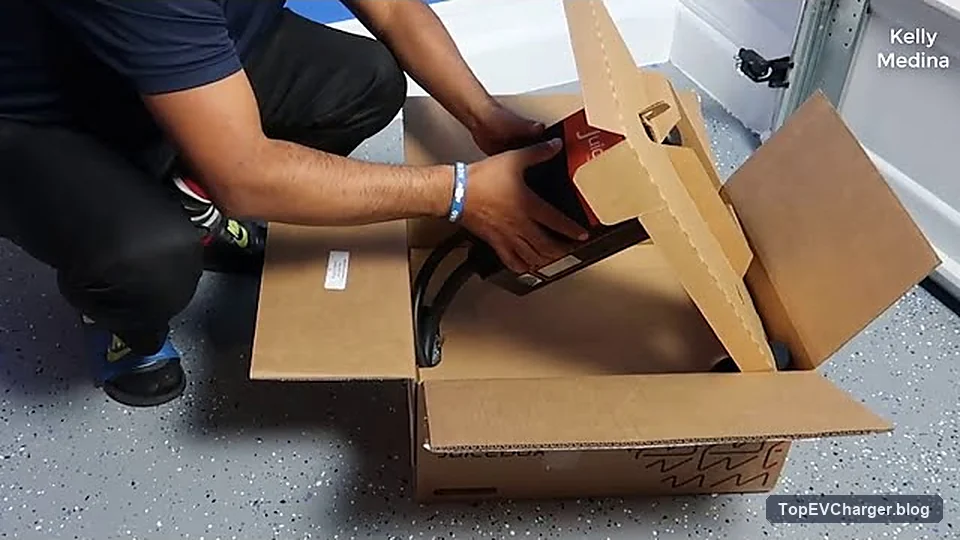
Our detailed Wallbox Pulsar Plus review highlights its remarkably compact polycarbonate chassis measuring roughly seven by seven inches, minimizing visual clutter on residential garage walls.
Conversely, the Juicebox 40 utilizes a taller, heavier plastic enclosure housing a distinct LED light ring that communicates active charging status across the garage space.
The JuiceBox 40 utilizes a rugged powder-coated steel chassis measuring approximately 11 by 7 inches, providing robust physical durability in harsh outdoor environments while maintaining a heavy structural weight profile.
Wallbox Pulsar Plus counters with an ultra-compact polycarbonate enclosure scaling roughly 6.6 by 6.6 inches, drastically minimizing visual intrusion in tight residential garages through advanced thermal injection-molded plastics.
Cable management ergonomics diverge significantly between units, as the JuiceBox relies on a separate wall holster, whereas the Pulsar Plus features an integrated wrap-around holster built directly into the housing geometry.
- NEMA 4 rating for weather resistance
- Compact footprint on tight garage walls
- Clear status indicators via integrated LEDs
Enclosure Durability and Weather Sealing
Both units carry NEMA 4 ratings, certifying their capability to resist driven rain, sleet, and ice accumulation when mounted in exterior residential parking locations.
However, Wallbox utilizes a sleeker single-piece cover design with concealed mounting screws, enhancing aesthetic appeal compared to the exposed chassis fasteners on the Juicebox.
- Outdoor wet-location rating
- Corrosion-resistant metal mounting brackets
Electrical Delivery and Output Capacities
Delivering consistent Level 2 charging speeds requires stable amperage delivery matched to your vehicle onboard charger limits and home electrical panel capacity.
Both units deliver a maximum output of 40 amperes, translating to roughly 9.6 kilowatts of electrical power transferred continuously into compatible electric vehicle battery packs.
This output provides approximately 37 miles of range per hour of charging, easily replenishing most daily commuter vehicles overnight during standard off-peak utility hours.
Both Level 2 stations deliver a maximum continuous current of 40 amperes, translating to a robust power output of 9.6 kilowatts when connected to a dedicated 50-ampere residential branch circuit.
Voltage tolerances operate efficiently across standard North American 208V to 240V grids, though minor voltage sags under heavy household loads can slightly reduce the actual charging speeds delivered to your vehicle.
Output cable flexibility remains paramount during sub-freezing morning routines, with the Pulsar Plus utilizing a thinner J1772 cable that retains superior cold-weather pliability compared to stiffer legacy conduits.
- Maximum continuous output of 40 amps
- Approximate 9.6 kW power delivery
- Compatible with standard 50-amp circuits
Amperage Adjustability and Circuit Matching
Homeowners with constrained electrical panels can easily adjust the maximum amperage output downward via internal settings or mobile applications to match existing breaker sizes.
This flexibility prevents overloaded residential circuits and eliminates the need for expensive electrical service upgrades while still ensuring safe, reliable overnight vehicle refueling.
- Configurable amperage limits
- Protection for older electrical panels
Connectivity Protocols and Software Interfaces
Smart charging hardware relies heavily on stable Wi-Fi and Bluetooth connectivity to schedule sessions, monitor energy consumption, and integrate with local utility demand response programs.
As noted in our Wallbox Pulsar Plus 48 review, the hardware supports both Wi-Fi and Bluetooth, ensuring reliable local control even when internet routers experience temporary dropouts.
The accompanying app provides granular scheduling tools, energy cost tracking, and seamless integration with smart home ecosystems like Amazon Alexa and Google Home assistants.
Connectivity architecture relies heavily on Wi-Fi 802.11 b/g/n standards operating on the standard 2.4 GHz frequency band, supplemented by local Bluetooth pairing for initial commissioning and offline diagnostics.
The Enel X Way application historically provided deep scheduling options, though recent server migrations have caused operational friction, contrasting with the more stable myWallbox portal and responsive smartphone app ecosystem.
Open Charge Point Protocol or OCPP compliance varies between hardware iterations, impacting advanced users who desire integration with local home energy management systems and independent photovoltaic generation arrays.
- Dual Wi-Fi and Bluetooth connectivity
- Local control without internet access
- Smart home assistant integration
Ecosystem Stability and App Reliability
Software performance dictates long-term user satisfaction, making reliable cloud infrastructure and responsive mobile applications crucial considerations for everyday residential charging equipment.
While both systems offer robust feature sets, recent corporate ownership shifts have introduced variable stability for legacy cloud platforms governing older hardware generations.
- Cloud infrastructure dependence
- Routine firmware updates over the air
Safety Compliance and Thermal Management Systems
Safe residential energy transfer demands rigorous internal monitoring to prevent overheating, ground faults, and potential electrical hazards during prolonged high-amperage charging cycles.
Examined further in our Wallbox Pulsar Plus 48A review, the unit includes integrated DC ground fault protection, reducing installation costs by eliminating expensive external breaker components.
Internal thermal sensors actively monitor operating temperatures, automatically throttling current delivery if internal components approach hazardous heat thresholds during severe summer weather.
Internal safety protocols mandate integrated ground-fault circuit interruption with automatic self-testing mechanisms, ensuring protection against lethal electrical shock hazards during wet weather or damaged cable events.
Thermal throttling algorithms continuously monitor internal semiconductor temperatures via embedded thermistor sensors, automatically scaling back current delivery if ambient garage heat exceeds safe operating thresholds.
NEMA environmental ratings ensure reliable weatherproofing, with both units achieving NEMA 4 ratings for dust-tight and water-resistant performance against driving rain and heavy sprinkler systems.
- Integrated DC ground fault protection
- Active thermal monitoring sensors
- UL safety certification compliance
Cable Flexibility and Cold Weather Performance
Heavy-gauge copper wiring inside the tethered output cable must remain pliable during sub-zero winter temperatures to ensure effortless coil storage and vehicle connection.
Both manufacturers utilize durable jacketing materials that resist stiffening in cold weather, though managing thick cables requires proper hook placement inside the garage.
- Flexible cold-weather cable jacketing
- Durable strain relief fittings
Installation Demands and Wiring Realities
Professional hardwiring or proper heavy-duty outlet installation ensures long-term operational safety and compliance with local National Electrical Code standards for residential charging stations.
Highlighted in our Wallbox Pulsar Plus 40A review, the hardware simplifies physical installation through lightweight construction and versatile bottom or rear cable entry points for clean routing.
The Juicebox 40 often utilizes a quick-release mounting bracket paired with a heavy plug-in configuration or direct hardwire box configuration depending on user preference.
Hardwired installations require precise torque specifications on terminal blocks, typically demanding copper conductors rated for at least 75 degrees Celsius to prevent dangerous terminal oxidation and loosening.
Plug-in configurations necessitate a heavy-duty NEMA 14-50 receptacle wired with appropriately sized gauge wire and protected by a dedicated double-pole breaker matching the unit's maximum amperage draw.
Conduit entry points differ significantly; the JuiceBox favors bottom-feed setups, while Wallbox provides flexible knockouts for rear and bottom wire routing to accommodate awkward garage stud layouts.
- Flexible conduit entry locations
- Lightweight wall-mounting brackets
- Hardwire or plug-in options
Electrical Requirements and Circuit Protection
Operating either unit at full forty-amp capacity mandates a dedicated 50-amp circuit breaker paired with heavy-gauge copper wiring routed directly from your electrical panel.
Certified electricians should evaluate existing infrastructure, verify panel load capacities, and ensure proper torque specifications on all terminal block connections during final setup.
- Dedicated 50-amp circuit requirement
- Professional electrician installation recommended
The Operational Reality: Reliability and Ecosystem Shifts
Long-term hardware ownership involves evaluating brand support, firmware maintenance longevity, and software continuity across changing corporate landscapes within the electric vehicle charging industry.
Wallbox maintains steady engineering development and responsive customer support channels, ensuring continuous software optimization and reliable cloud connectivity for its global customer base.
Conversely, users tracking Juicebox hardware must navigate evolving corporate structures that have created transitional periods for mobile application support and cloud service migration.
Long-term reliability depends heavily on cloud infrastructure stability, a factor that caused noticeable user frustration following Enel X's sudden exit from the North American residential EV charger market.
Wallbox maintains a more resilient operational posture with consistent firmware updates delivered directly through the cloud platform, ensuring seamless integration with evolving smart home automation routines.
Routine maintenance demands minimal effort beyond periodic visual inspections of the charging connector pins for pitting, wear, and accumulation of roadway debris or moisture.
- Brand support consistency
- Firmware maintenance lifecycles
- Cloud service stability
Daily Usability and Cable Management
Effective cable management prevents tripping hazards and protects the J1772 connector from physical damage caused by dragging across concrete garage floors daily.
Utilizing dedicated holster accessories keeps connectors secure and clean, extending the operational lifespan of internal pins exposed to outdoor dust and moisture.
- Preventing tripping hazards
- Protecting connector pins from debris
Choosing the Optimal Hardware for Your Daily Garage Workflow
Selecting between these two popular chargers depends on your priority regarding compact physical design, smart home connectivity features, and long-term ecosystem stability.
Homeowners seeking a streamlined aesthetic, robust local Bluetooth controls, and dependable software support will find the Wallbox unit exceptionally well-suited for daily needs.
Alternatively, those invested in legacy monitoring ecosystems or specific utility integration programs may weigh the functional trade-offs of the Juicebox hardware platform carefully.
Selecting the ideal charger requires weighing physical constraints, prioritizing the Pulsar Plus for compact garages requiring a space-saving footprint and reliable software connectivity.
Alternatively, legacy installations or specific fleet setups might accommodate the JuiceBox architecture, provided users accept potential firmware management shifts and reliance on third-party platform workarounds.
Evaluating your electrical panel capacity, daily commuting mileage, and tolerance for app-based troubleshooting ensures your chosen hardware delivers long-term satisfaction without unexpected operational friction.
- Prioritizing physical footprint size
- Evaluating smart home integration needs
- Assessing long-term software stability
Making Your Final Purchase Decision
Evaluate your local electrical panel capacity, garage wall space availability, and preferred smartphone integration before purchasing your permanent residential charging hardware solution.
Consulting a licensed electrician early in the decision-making process ensures seamless installation and prevents unexpected wiring expenses during your home garage upgrade project.
- Electrical capacity assessment
- Professional consultation benefits
Frequently Asked Questions
Does the Wallbox Pulsar Plus require an external ground fault breaker?
No, the Wallbox Pulsar Plus features fully integrated DC ground fault protection directly inside its remarkably compact housing unit.
This advanced safety mechanism significantly reduces your overall residential installation expenses by completely eliminating the absolute necessity for purchasing an expensive specialized breaker component located at your primary electrical service panel.
Can you adjust the amperage output on both chargers?
Yes, both popular charging units allow homeowners to easily adjust the maximum amperage output down from forty amps to precisely match limited electrical panel capacities.
This valuable configuration flexibility successfully prevents tripped circuit breakers and avoids costly electrical service upgrades while ensuring safe overnight vehicle charging operations inside your residential garage space.
Are both chargers rated for outdoor weather installation?
Both advanced charging systems carry robust weather-resistance ratings that certify their complete capability to withstand driven rain, sleet, snow, and extreme seasonal temperatures when mounted outdoors.
However, ensuring secure conduit connections and properly sealed wiring entry points remains absolutely critical for maintaining long-term hardware durability within harsh wet-location residential parking environments safely.
Do these chargers work with Tesla electric vehicles?
Yes, both the Juicebox 40 and Wallbox Pulsar Plus utilize the universal standard J1772 connector interface fully compatible with all modern Tesla electric vehicles currently manufactured.
Tesla drivers simply utilize the standard J1772-to-Tesla adapter included with their vehicle purchase to connect seamlessly and reliably replenish battery packs overnight at home safely.
What size electrical circuit is required for 40-amp output?
Operating either advanced charging station at its maximum forty-amp continuous capacity mandates a dedicated 50-amp circuit breaker paired directly with heavy-gauge copper wiring.
Professional licensed electricians should always evaluate your main residential electrical panel load capacity and verify proper terminal torque specifications during final installation to ensure absolute operational safety.