Hardwired vs. Plug In Ev Charger: Which Setup Fits Your Home Best?
Choosing between permanent and flexible EV power architectures demands careful evaluation of your electrical infrastructure. Hardwired connections prioritize maximum thermal stability, while plug-in units offer unmatched relocation flexibility.

For dedicated residential garages requiring continuous 48-amp output, hardwired units remain the superior technical choice. Homeowners needing garage portability should select plug-in models featuring robust industrial receptacles.
Compare all top models in our Best Ev Level 2 Charger.
Side-by-Side Breakdown
| Criteria | Hardwired | Plug In Ev Charger | Edge |
|---|---|---|---|
| Peak Performance & Output | Delivers up to 11.5kW continuous power | Capped by NEMA receptacle ampacity limits | Hardwired |
| Duty Cycle & Consistency | Handles maximum loads without terminal degradation | Susceptible to plug-face heat buildup over time | Hardwired |
| Operating Noise & Vibration | Silent operation with zero mechanical resonance | Potential audible hum if contacts loosen slightly | Hardwired |
| Portability & Footprint | Permanently mounted for dedicated home bays | Easily unplugged and taken to new properties | Plug In Ev Charger |
| Maintenance & Service Life | Fewer failure points across internal copper junctions | Requires periodic inspection of receptacle contacts | Hardwired |
| Power Requirements | Direct connection to dedicated breaker panel run | Requires specialized high-voltage wall receptacle | Plug In Ev Charger |
| Best Ideal Use-Case | High-mileage daily commuters requiring fast charging | Renters or multi-vehicle households wanting flexibility | Hardwired |
Core Electrical Architecture and Design Differences
Permanent charging hardware bypasses intermediate connection points by routing supply conductors directly into internal terminal blocks. This direct engineering approach eliminates potential resistance spots found in standard household wall receptacles.
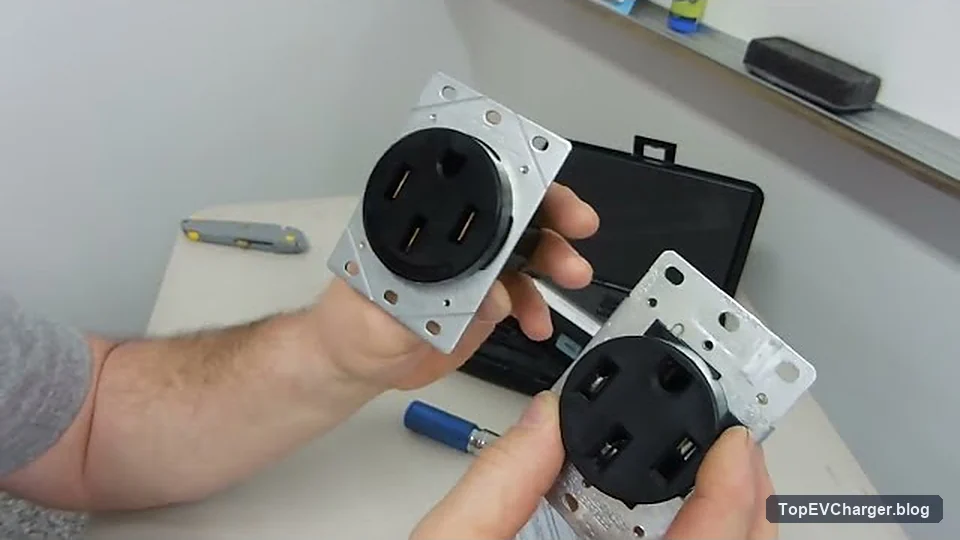
Conversely, flexible units utilize heavy-duty cord sets terminating in standardized industrial plugs. This design introduces a mechanical interface between your home electrical supply and the primary power conversion electronics.
Understanding these foundational differences helps technicians evaluate long-term safety margins under heavy daily electrical loads. Every connection point adds resistance, which directly impacts internal thermal management across extended charging sessions.
Hardwired Level 2 chargers eliminate intermediate connection points by terminating supply wires directly into the internal terminal block, ensuring lower electrical resistance as detailed in our best plug and play level 2 ev charger selection.
Plug-in architectures rely on a heavy-duty power cord and a NEMA receptacle, introducing a physical plug interface that must withstand repeated mechanical insertion and continuous thermal expansion cycles over years of daily charging.
Internal PCB layouts often feature dedicated sensing relays for hardwired units, whereas plug-in variants must integrate rigid thermal cutoffs directly into the molded plug housing to monitor ambient pin temperatures effectively.
- Hardwired systems eliminate plug-and-socket resistance entirely.
- Plug-in units rely on factory-molded industrial plug assemblies.
- Direct internal termination ensures superior long-term connection integrity.
Internal Terminal Block Engineering
Direct-wire terminals use torque-specified screw clamps to secure heavy copper conductors firmly. This prevents micro-vibrations from loosening strands during years of thermal expansion and contraction cycles.
Factory specifications dictate precise torque values to ensure optimal surface contact area without crushing stranded copper conductors inside the enclosure.
- Torque-specified terminal blocks prevent loose connections.
- Direct copper mating minimizes localized heating risks.
Performance Output and Continuous Thermal Loads
Delivering maximum amperage safely requires meticulous thermal management across every component in the circuit. Hardwired configurations consistently handle continuous 48-amp draws without experiencing localized overheating at junction interfaces.
Plug-in variants often encounter thermal throttling if the upstream receptacle degrades or accumulates internal oxidation over years of use. Maintaining optimal contact pressure inside wall receptacles is vital for safety.
Engineers design permanent units to operate near maximum thermal thresholds for hours daily. Eliminating mechanical plugs reduces overall system resistance, keeping operating temperatures comfortably within safety limits.
Continuous loads mandated by the National Electrical Code require equipment to operate safely at 80 percent of its maximum nameplate rating, making thermal dissipation a primary engineering concern for high-amperage residential EV supply equipment.
Hardwired configurations safely deliver the maximum 48 amps or 11.5 kilowatts continuously because direct terminal connections prevent localized hot spots, optimizing copper-to-copper contact integrity without relying on spring-tensioned receptacle contacts.
Plug-in chargers are frequently throttled to 40 amps or lower when paired with NEMA 14-50 outlets to prevent excessive heat generation at the prong interface, protecting the NEMA receptacle housing from premature degradation.
- Hardwired units sustain peak amperage without interface throttling.
- Receptacle wear can increase electrical resistance and heat.
- Thermal stability directly correlates with connection permanence.
Amperage Limits and NEC Regulations
National Electrical Code guidelines mandate strict continuous load de-rating factors for all EV supply equipment installations. Hardwired circuits utilize dedicated breakers sized precisely for the maximum configured output.
Plug-in units face strict limitations based on standard receptacle ratings, rarely exceeding specific amperage thresholds without triggering thermal protection protocols in smart breakers.
- NEC compliance ensures safe continuous current delivery.
- Receptacle ratings cap maximum deliverable vehicle power.
Installation Dynamics and Code Compliance Realities
Installing a permanent EV supply unit requires professional hardwire routing through rigid conduit or armored cable. Licensed electricians must calculate voltage drop, conduit fill ratios, and breaker sizing carefully.
Plug-in setups still demand professional installation of a specialized high-voltage receptacle on a dedicated circuit. Homeowners must never plug heavy EV loads into standard household outlets.
Navigating local electrical codes ensures your home remains compliant and fully protected against potential fault conditions. Professional installation guarantees proper grounding and surge suppression integration.
Installing a hardwired EV charger requires permanent conduit routing and direct wall mounting, demanding strict adherence to local building codes and often necessitating a licensed electrical permit for safe residential integration.
Modern residential electrical codes increasingly mandate GFCI protection for all garage circuits, which can create compatibility challenges if a hardwired unit features integrated GFCI circuitry that duplicates upstream breaker protections.
Plug-in installations depend heavily on the physical condition of the wall outlet, requiring industrial-grade receptacles rather than standard residential hardware to handle the rigorous thermal demands of daily electric vehicle charging.
- Hardwiring requires direct conduit runs and professional permitting.
- Receptacle installations demand heavy-gauge wiring and GFCI protection.
- Code compliance protects property and validates manufacturer warranties.
GFCI Breaker Requirements
Modern electrical codes require ground fault circuit interrupter protection for outdoor and garage receptacle installations, helping homeowners avoid problems addressed in our ev charger tripping guide.
Hardwired units often integrate internal fault monitoring, reducing reliance on expensive upstream GFCI breakers depending on local jurisdictional enforcement.
- Receptacle setups require costly upstream GFCI breakers.
- Integrated fault monitoring simplifies hardwired safety compliance.
Build Quality, Mechanical Durability, and Weatherproofing
Harsh garage environments and outdoor weather conditions demand robust enclosure engineering and superior ingress protection ratings. Hardwired units feature sealed housings designed to withstand moisture, dust, and temperature swings.
Plug-in models must protect both internal electronics and the vulnerable cord cap interface from environmental degradation. Water ingress at the plug face can cause catastrophic short circuits during storms.
Selecting enclosures with high NEMA ratings guarantees years of reliable service in exposed residential parking areas. Durable polycarbonate shells resist UV degradation and accidental mechanical impacts effectively.
Outdoor deployments expose charging hardware to severe environmental stressors, requiring robust NEMA enclosures that achieve superior weather resistance against driving rain, heavy snow, and damaging ultraviolet radiation exposure.
Hardwired units typically achieve higher ingress protection ratings because they completely bypass the vulnerable entry point created by a dangling power cable and a heavy-duty plug shroud.
Plug-in models must protect their detachable cables from strain fatigue where the cord enters the chassis, utilizing reinforced strain reliefs to maintain long-term mechanical stability during frequent handling.
- Permanent enclosures offer superior weather resistance ratings.
- Plug interfaces require careful protection from moisture ingress.
- Impact-resistant housings protect sensitive power conversion components.
Enclosure Rating Standards
NEMA 4X enclosures provide exceptional protection against windblown dust, rain, and corrosive splashing agents. This makes them ideal for outdoor garage mounting applications.
Indoor-rated units lack comprehensive weather seals, restricting their safe placement to climate-controlled residential garages or fully covered carports.
- NEMA 4X ratings ensure robust outdoor environmental defense.
- Indoor units require sheltered installation environments.
Operational Efficiency, Parasitic Draw, and Footprint
Energy efficiency during standby operations matters for homeowners monitoring cumulative household electricity consumption. Both topologies exhibit minimal parasitic draw, powering internal Wi-Fi radios and microcontrollers efficiently.
The physical footprint of a hardwired unit is typically sleeker because it lacks bulky plug assemblies hanging below the main housing. This streamlined aesthetic appeals to modern homeowners.
Optimized power conversion circuitry minimizes waste heat during active vehicle charging sessions, maximizing the electrical energy transferred directly into your electric vehicle battery pack.
Electrical conversion efficiency remains exceptionally high for both topologies, but hardwired systems slightly reduce overall circuit resistance, yielding marginal efficiency gains during long charging sessions at maximum amperage outputs.
Parasitic standby power consumption is generally negligible across modern smart chargers, though units with constant cellular connectivity may exhibit a steady background draw ranging from two to five watts.
When reviewing our recommended chargers for plug-in hybrids, you will notice that hardwired units offer a cleaner physical footprint without a bulky plug assembly.
- Standby power consumption remains negligible across both options.
- Streamlined hardwired units offer cleaner wall aesthetics.
- High conversion efficiency minimizes energy loss during sessions.
Standby Power Consumption
Smart connectivity features require constant network standby power to maintain app synchronization and scheduled charging routines. This background draw rarely exceeds a few watts.
Basic non-smart chargers consume virtually zero standby power, making them the most efficient choice for users who prefer manual vehicle scheduling.
- Smart features introduce minimal background power draw.
- Non-smart units offer absolute zero idle consumption.
Maintenance Protocols and Long-Term Reliability
Proactive maintenance ensures your charging equipment delivers safe, uninterrupted power throughout its operational lifespan. Hardwired systems require minimal oversight once properly installed and torqued.
Plug-in units demand regular physical inspections of the heavy-duty plug blades and wall receptacle contacts. Catching signs of discoloration or pitting prevents dangerous thermal events.
Cleaning connector pins and checking terminal tightness preserves low electrical resistance and prevents premature hardware failure in demanding residential environments.
Long-term reliability depends heavily on proactive maintenance routines, such as periodically inspecting terminal torque values inside hardwired units to prevent loose electrical connections from causing dangerous thermal events.
Plug-in chargers require routine inspection of the outlet blades and receptacle contacts, checking for signs of discoloration or pitting that indicate excessive contact resistance due to mechanical wear.
Component replacement is significantly easier with plug-in systems if the hardware fails, allowing homeowners to unplug the unit and swap it out without calling a certified professional electrician.
- Hardwired units require infrequent connection inspections.
- Plug-in setups demand routine checks for pin oxidation.
- Proactive maintenance prevents unexpected charging interruptions.
Receptacle Wear and Tear
Frequent plugging and unplugging cycles gradually weaken the spring tension inside industrial wall receptacles. Loose gripping force leads to arcing and dangerous localized heating.
Replacing worn receptacles proactively protects your vehicle charging cable from sustaining thermal damage at the plug interface during high-amp sessions.
- Repetitive insertion cycles weaken receptacle spring tension.
- Worn receptacles require prompt replacement by professionals.
Choosing the Right Topology for Your Specific Workload
Evaluating your driving habits and property ownership status clarifies which charging architecture best suits your needs. Homeowners planning to stay long-term benefit greatly from permanent hardwired installations.
Frequent movers, renters, and multi-vehicle households appreciate the mobility offered by high-capacity plug-in units. You can easily disconnect and relocate your equipment to a new residence.
Balancing upfront installation costs against long-term performance requirements ensures you invest wisely in reliable residential electric vehicle charging infrastructure.
Selecting the ideal charger topology requires evaluating your vehicle's maximum acceptance rate and daily commuting distance, factors we analyze in our best ev level 2 charger reviews alongside environmental ratings.
Homeowners who plan to relocate frequently or upgrade their charging hardware in the near future will find that plug-in units offer unmatched hardware portability and simplified removal processes.
Property owners seeking a permanent, high-amperage refueling station that maximizes charging speed while minimizing mechanical wear points should opt for a professionally installed hardwired unit.
- Hardwired units suit permanent homeowners and high-mileage drivers.
- Plug-in models provide unmatched relocation flexibility for renters.
- Assess your long-term charging demands before purchasing hardware.
Future-Proofing Your Home Infrastructure
Installing heavy-gauge wiring during initial construction accommodates higher amperage chargers as vehicle battery capacities continue to expand. Future-proofing saves money on electrical upgrades later.
Selecting versatile hardware ensures compatibility with your next electric vehicle purchase, maximizing the return on your residential infrastructure investment.
- Heavy wiring future-proofs your garage for faster chargers.
- Versatile hardware accommodates future vehicle technology.
Frequently Asked Questions
Can a plug-in EV charger match the charging speed of a hardwired unit?
Both types can deliver up to 48 amps if paired with proper wiring, but hardwired units maintain superior thermal stability during extended sessions without risking receptacle wear.
Is it legal to install a hardwired EV charger without a licensed electrician?
Most municipal electrical codes require professional installation by a licensed contractor to ensure proper permit sign-off and adherence to strict safety standards.
Why do some plug-in charger receptacles experience overheating issues?
Frequent insertion cycles and high continuous electrical loads can weaken internal spring contacts, creating higher electrical resistance and localized heat accumulation.
Can I easily unplug my plug-in charger and take it on road trips?
While physically possible, heavy industrial plugs are designed for stationary wall mounting and frequent disconnection can accelerate mechanical wear on the prongs.
Which option offers better long-term reliability for daily commuting needs?
Hardwired configurations provide fewer failure points by eliminating intermediate plug connections, making them the most reliable choice for heavy daily use.