Grizzl E Ultimate vs. Chargepoint Home Flex: Which Fits Your Setup Better?
Two industry giants clash in this engineering-focused head-to-head comparison. We evaluate thermal efficiency and software capability to help you choose.


Choose the Grizzl-E Ultimate for uncompromising heavy-duty outdoor weather resistance, or select the Chargepoint Home Flex for advanced scheduling software and dynamic amperage adjustment features.
Compare all top models in our Best Ev Level 2 Charger.
Side-by-Side Breakdown
| Criteria | Grizzl E Ultimate | Chargepoint Home Flex | Edge |
|---|---|---|---|
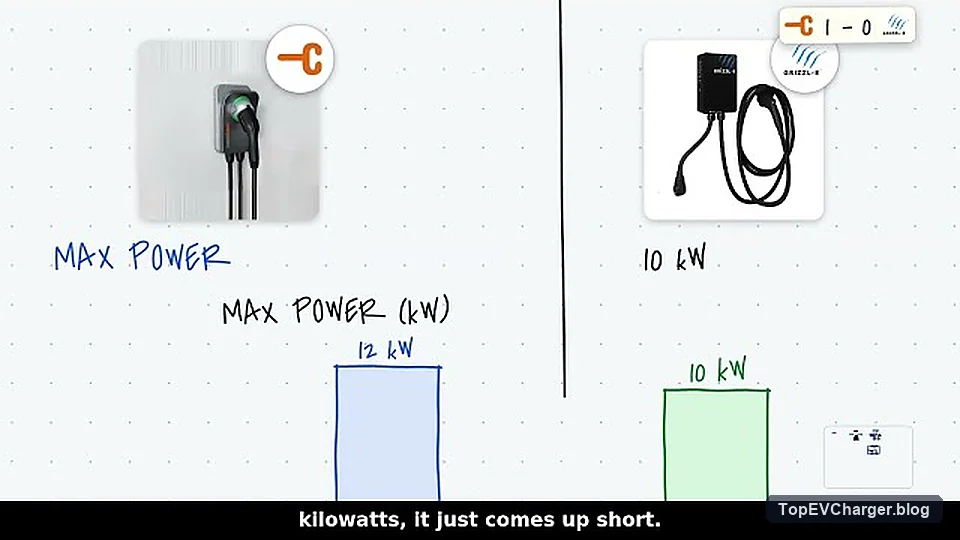
| Peak Performance & Output | Up to 48 Amps continuous output | Up to 50 Amps adjustable output | Chargepoint Home Flex |
| Duty Cycle & Consistency | Industrial grade thermal management | Optimized residential thermal dissipation | Grizzl E Ultimate |
| Operating Noise & Vibration | Completely silent passive cooling | Whisper-quiet solid-state switching | Tie |
| Portability & Footprint | Heavy cast aluminum chassis | Slim profile plastic housing | Chargepoint Home Flex |
| Maintenance & Service Life | Simplified non-smart analog design | Cloud-connected smart diagnostic system | Grizzl E Ultimate |
| Power Requirements | Hardwire or NEMA 14-50 plug | Hardwire or NEMA 14-50/6-50 plug | Chargepoint Home Flex |
| Best Ideal Use-Case | Extreme weather harsh garages | Smart homes and utility time-of-use | Split Choice |
Heavy-Duty Enclosure Engineering and Build Quality
Selecting a level two charging station requires balancing physical durability against software sophistication. As detailed in our Grizzl-E Ultimate review, this unit prioritizes raw mechanical resilience over connected ecosystem features.
Heavy-duty garage and outdoor installations demand robust ingress protection ratings. Enclosures must withstand wind-driven rain, freezing temperatures, and direct ultraviolet radiation without degrading internal components or cracking structural housings.
The Grizzl-E Ultimate utilizes a heavy cast aluminum chassis engineered to absorb direct impacts in commercial or residential garages, contrasting with the lighter polycarbonate construction of its rival.
Maintenance technicians must evaluate NEMA ratings, noting that details inside our Chargepoint Home Flex Nema 14 50 review highlight robust outdoor weatherproofing and corrosion resistance for coastal salt spray environments.
- NEMA 4X sealed aluminum casting prevents moisture ingress.
- Impact-resistant powder coat handles severe mechanical garage impacts.
- Proprietary thermal potting protects sensitive internal microprocessors securely.
Enclosure Materials and Weatherproofing
Cast aluminum provides superior thermal dissipation compared to injection-molded plastics. This metallic chassis ensures optimal heat shedding during maximum continuous amperage delivery across extended multi-hour charging sessions.
Gasket sealing integrity prevents moisture migration during high-pressure washing cycles. Installers should verify proper torque specs on enclosure fasteners to maintain watertight seals over years of outdoor exposure.
- Metal housings outlast plastic units in harsh ultraviolet environments.
- Silicone gaskets maintain elasticity across extreme thermal swings.
Electrical Output and Amperage Flexibility
Delivering rapid vehicle replenishment demands strict adherence to national electrical code standards. Both units support high-amperage delivery, but their configuration methods differ significantly for residential utility panels.
Circuit breaker sizing dictates your maximum continuous continuous output limits under continuous load rules. Selecting appropriate wire gauges prevents dangerous voltage drops during peak winter or summer charging cycles.
Delivering up to 48 amps of continuous current, units featured in our best level 2 home charging station guide require proper breaker sizing under National Electrical Code load rules.
The ChargePoint allows granular software-based amperage adjustments, whereas the Grizzl-E requires internal dip switch configurations to manually scale down output for smaller electrical service panels.
- 50-amp maximum output maximizes modern onboard vehicle chargers.
- Internal DIP switches or software toggles restrict maximum draw safely.
- Robust terminal blocks accommodate heavy copper building wires easily.
Circuit Protection and Wiring Requirements
Proper breaker sizing ensures your electrical panel operates well within safe thermal thresholds. Hardwiring these chargers eliminates potential points of thermal resistance found in standard wall receptacles.
Always consult a licensed electrician to verify your existing panel capacity before installation. Overloading residential services creates severe fire hazards during concurrent household appliance usage.
- Dedicated sixty-amp breakers support fifty-amp continuous loads safely.
- Torque screwdrivers prevent loose terminal connections over time.
Smart Connectivity and Grid Management Features
Modern electric vehicle owners increasingly demand smartphone integration for energy tracking and cost management. Connected chargers leverage home Wi-Fi networks to schedule refueling during off-peak utility hours.
Cloud platforms enable remote firmware updates and detailed session logging for tax credit compliance. However, non-smart chargers offer superior longevity by eliminating vulnerable connected microchips.
Advanced Wi-Fi connectivity enables the ChargePoint ecosystem to deliver real-time energy monitoring, automated scheduling, and utility demand response participation through comprehensive mobile applications and web dashboards.
Conversely, standard variants of the Grizzl-E prioritize offline reliability, omitting smart features to eliminate potential cybersecurity vulnerabilities and avoid total dependence on local wireless network signals.
- Wi-Fi connectivity enables real-time charging status monitoring remotely.
- Integration with utility demand-response programs lowers monthly electricity bills.
- Offline-capable hardware operates reliably without router dependencies.
Software Ecosystems and App Usability
Intuitive smartphone applications simplify daily EV ownership through automated scheduling features. Users can easily track kilowatt-hour consumption and calculate precise charging costs per monthly billing cycle.
Connectivity dropouts occasionally plague smart chargers situated far from wireless routers. Ensuring a strong garage Wi-Fi signal prevents frustrating synchronization errors during scheduled sessions.
- Cloud dashboards export comprehensive CSV data for expense tracking.
- Local Bluetooth pairing bypasses weak router signal issues.
Thermal Performance and Ambient Tolerances
Internal heat generation remains the primary enemy of high-powered electrical equipment. Efficient thermal dissipation extends component lifespan and prevents premature thermal throttling during sustained maximum output delivery.
Extreme ambient temperatures test the limits of power electronics housed inside sealed boxes. Heavy aluminum heat sinks absorb and radiate thermal energy away from sensitive relays effectively.
Effective thermal management dictates continuous output safety, utilizing heavy passive cooling fins designed to dissipate internal heat efficiently without ever relying on failure-prone internal cooling fans.
Both chargers maintain full operational integrity across extreme temperature swings, though ambient ratings demand proper shading in direct desert sunlight to prevent premature thermal throttling events.
- Passive cooling designs eliminate noisy, failure-prone internal fans.
- Thermal sensors automatically throttle current if internal temperatures spike.
- Wide operating temperature ranges handle sub-zero winter conditions reliably.
Duty Cycles and Stress Testing
Continuous duty ratings prove essential for households charging large battery packs overnight. Equipment built with industrial-grade components handles back-to-back vehicle charging without overheating concerns.
Thermal imaging reveals how efficiently each unit sheds internal electrical resistance heat. Superior engineering keeps exterior housing touch-safe even during peak summer afternoon sessions.
- Continuous 48-amp delivery requires robust internal busbars.
- Thermal compounding enhances heat transfer to outer metallic shells.
Cable Flexibility and Connector Ergonomics
Daily interaction with your charging equipment depends heavily on cable pliability and connector weight. Stiff cables become unmanageable in freezing winter temperatures, frustrating everyday residential garage routines.
Ergonomic handle designs ensure comfortable grips for users of all physical strengths. Quality strain reliefs prevent internal copper conductor fatigue near the base entry point.
Extreme sub-zero flexibility remains critical for cold climate users, where thick rubberized jackets prevent the output cable from stiffening and cracking during harsh winter weather operations.
Ergonomic SAE J1772 connector handles require comfortable grip angles and secure latching mechanisms designed to withstand thousands of plug-in cycles without wearing down the locking pin.
- Flexible rubberized jackets remain pliable in freezing weather.
- Standard SAE J1772 couplers fit every North American electric vehicle.
- Holster designs keep connectors securely docked away from garage floors.
Hose Management and Holster Design
Proper cable management prevents accidental tripping hazards inside busy residential garages. Integrated holster cradles protect connector pins from dust, dirt, and moisture accumulation.
Coiling twenty-five feet of heavy copper cable requires thoughtful wall mount placement. Selecting convenient mounting heights reduces strain on your wrists during daily plug-in routines.
- Standalone cable hangers prevent sharp bends in copper lines.
- Locking holsters deter unauthorized public usage outdoors.
Installation Requirements and Wiring Constraints
Physical mounting procedures dictate how easily a DIY enthusiast or professional can complete setup. Clear mounting brackets and accessible internal terminal blocks save valuable installation time.
Choosing between plug-in versatility and hardwired permanence depends on your amperage goals. High-amperage output above forty amps almost always mandates direct hardwire connections safely.
Permanent hardwired configurations provide the absolute highest reliability for continuous 48-amp loads, successfully eliminating potential point-of-failure vulnerabilities typically associated with high-current NEMA 14-50 wall receptacles.
Certified electricians must carefully verify wire gauge thickness and strict terminal torque specifications during mounting to prevent dangerous overheating issues inside the input power block.
- NEMA plug configurations allow simple unplugging when moving homes.
- Hardwiring eliminates heavy plug receptacles prone to thermal wear.
- Included mounting templates ensure level wall bracket positioning.
Mounting Hardware and Conduit Entries
Secure wall anchoring prevents heavy equipment from pulling loose from drywall or masonry. Using appropriate lag bolts and masonry anchors guarantees long-term structural stability under cable weight.
Bottom and rear conduit knockouts accommodate various professional wiring entry paths cleanly. Installers must use watertight conduit fittings for outdoor wet-location installations.
- Stud finder tools ensure proper structural backing support.
- Rubber O-rings maintain conduit entry waterproofing integrity.
Final Engineering Verdict and Matchups
Choosing the ideal level two charger requires weighing physical durability against software convenience. For instance, reading our Chargepoint Home Flex review helps evaluate smart features that optimize daily home energy usage.
Evaluating your specific garage environment and vehicle acceptance rate clarifies your purchase decision. Investing in quality electrical infrastructure guarantees safe, reliable vehicle fueling for years ahead.
Selecting the ideal electric vehicle charging hardware ultimately depends on balancing rugged physical durability requirements against advanced software integration needs for comprehensive home energy management.
Severe outdoor and industrial environments favor mechanically bulletproof hardware, whereas modern connected garages benefit immensely from smart cloud architectures and advanced dynamic load monitoring capabilities.
- Grizzl-E Ultimate excels in extreme weather and durability.
- Chargepoint Home Flex dominates in smart scheduling flexibility.
- Match your charger choice to your local climate and Wi-Fi.
Making Your Final Purchase Decision
Consider whether you truly need smart app features or simply want bulletproof reliability. Both chargers represent the pinnacle of modern residential electric vehicle supply equipment engineering standards.
Consulting professional electricians ensures your chosen amperage matches your home panel capacity. Enjoy fast, safe daily charging tailored specifically to your lifestyle needs.
- Assess local utility rebates for smart charger incentives.
- Prioritize heavy metallic builds for exposed outdoor parking.
Frequently Asked Questions
Can both chargers be installed outdoors without extra protective covers?
The Grizzl-E Ultimate utilizes a heavy-duty cast aluminum enclosure engineered specifically to withstand severe outdoor weather conditions without requiring additional protective covers.
Similarly, the Chargepoint Home Flex features a weather-resistant NEMA-rated enclosure built to handle rain, snow, and extreme temperatures when properly hardwired or plugged in.
What is the maximum amperage output available for these two units?
The Grizzl-E Ultimate delivers a maximum continuous output of up to forty-eight amperes for fast vehicle replenishment. Meanwhile, the Chargepoint Home Flex pushes slightly higher, providing up to fifty amperes of adjustable electrical output for compatible high-capacity vehicles.
Do these chargers require a Wi-Fi connection to function properly?
The Grizzl-E Ultimate operates entirely as a plug-and-play analog device without needing any internet connection or cloud servers. Conversely, the Chargepoint Home Flex utilizes Wi-Fi connectivity for advanced scheduling, energy tracking, and dynamic amperage adjustments through its mobile application.
Which installation method is safer for continuous high-amperage charging?
Direct hardwiring is universally recommended by master electricians because it eliminates potential thermal failure points associated with wall receptacles. Both units support hardwire installations, which prevent the degradation commonly seen in standard NEMA 14-50 plugs over time.
Are the charging cables flexible enough to use during freezing winter conditions?
The Grizzl-E Ultimate features a heavy-duty rubberized cable compound specifically formulated to remain pliable in sub-zero temperatures. The Chargepoint Home Flex also utilizes a high-grade flexible jacket, though extremely cold climates may require slightly more effort to coil.