Grizzl E Duo vs. Enphase Dual Ev Charger: Which Fits Your Setup Better?
Evaluating dual EV charging architectures requires analyzing raw current delivery and thermal management. We pit the Grizzl-E Duo against the Enphase dual architecture for garage efficiency.

Choose the Grizzl-E Duo for rugged, high-amperage raw durability in harsh garages. Select the Enphase system for advanced solar integration and granular software control.
Compare all top models in our Best Ev Level 2 Charger.
Side-by-Side Breakdown
| Criteria | Grizzl E Duo | Enphase Dual Ev Charger | Edge |
|---|---|---|---|
| Peak Performance & Output | Dual 40A shared / 80A total | Split microinverter output | Grizzl-E Duo |
| Duty Cycle & Consistency | Heavy industrial casting | Smart thermal throttling | Tie |
| Operating Noise & Vibration | Silent passive convection | Silent passive convection | Tie |
| Portability & Footprint | Wall-mounted heavy steel | Sleek modular profile | Enphase |
| Maintenance & Service Life | Simple modular repair | Cloud-connected diagnostics | Grizzl-E Duo |
| Power Requirements | 50A or 100A heavy feed | Dedicated multi-breaker | Grizzl-E Duo |
| Best Ideal Use-Case | High-capacity shared garage | Solar-paired residential hub | Enphase |
Evaluating Core Hardware and Heavy Enclosures
The Grizzl-E Duo utilizes a powder-coated steel enclosure designed to withstand heavy impacts and severe weather. This rugged exterior protects internal components from moisture ingress and physical damage during daily garage operations.
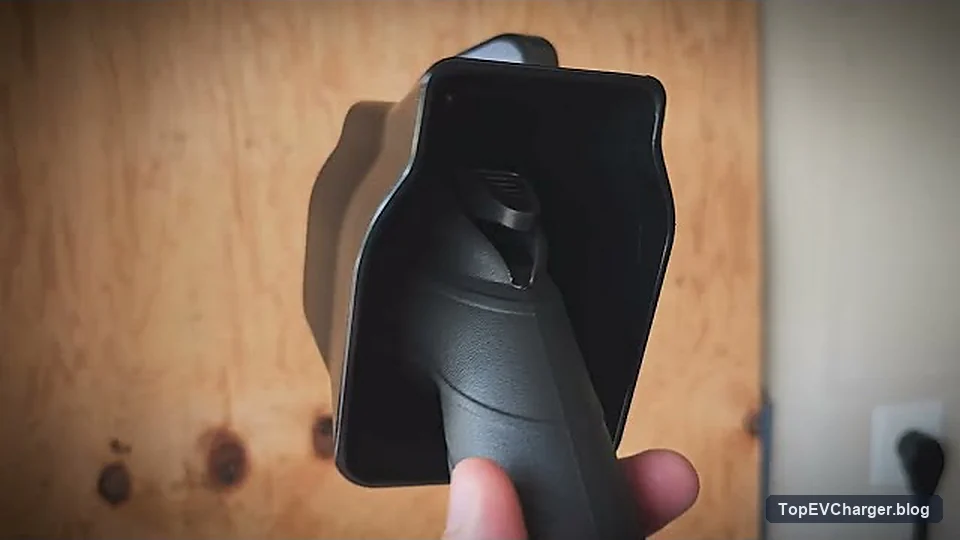
Conversely, details inside our Enphase IQ EV Charger review reveal a reliance on high-impact engineered plastics. These polymers optimize thermal dissipation while providing sleek aesthetic integration for modern garages.
- Heavy steel construction withstands harsh impacts
- Engineered plastics offer sleek thermal profiles
- Weatherproof ratings protect against driving rain
Chassis Metallurgy Versus Composite Plastics
Selecting between heavy steel and reinforced polymers dictates how the charger handles physical abuse. A cast metal box resists heavy knocks from garage doors or stray equipment much better than plastic.
However, advanced polymers resist corrosion from coastal salt spray more effectively than standard painted steel. Evaluating your local climate remains vital before finalizing your primary garage charging hardware purchase.
- Steel provides superior physical impact resistance
- Polymers prevent coastal salt corrosion issues
Power Sharing Strategies and Circuit Amperage
Managing two electric vehicles on a single electrical panel requires precise dynamic current allocation. Testing detailed in our Grizzl-E Duo review shows how internal logic boards split available amperage safely between two cables.
This dual-cable approach eliminates the need to install a second dedicated 50-amp branch circuit in your garage. Homeowners save substantial installation labor expenses by leveraging existing high-amperage infrastructure safely.
- Dynamic current splitting optimizes home panel loads
- Single circuit utilization reduces expensive electrical upgrades
Single Circuit Amperage Distribution
Feeding both vehicle ports from one shared breaker demands intelligent internal relay switching. When both cars plug in, the unit divides current evenly or prioritizes the first connected vehicle.
Understanding your home electrical panel capacity ensures you select the correct supply breaker. Undersized panels risk tripping breakers during peak household electrical usage windows throughout the evening.
- Intelligent relays manage dual vehicle draw
- Panel capacity dictates maximum supply amperage
Thermal Management and Continuous Duty Cycles
Continuous high-amperage charging generates significant internal heat within power delivery electronics. Similar heavy-duty hardware analyzed in our Grizzl E Smart Charger review relies on massive aluminum heat sinks for thermal management.
This passive cooling design eliminates mechanical failure points like cooling fans while maintaining continuous output. Heavy-duty charging sessions running near maximum amperage require robust thermal management to prevent premature shutdown.
- Passive aluminum heat sinks eliminate fan failures
- Continuous output remains stable under heavy loads
Passive Convection Versus Active Cooling
Eliminating internal cooling fans removes a common mechanical failure point in dusty garage environments. Passive convection relies entirely on ambient air movement across external fins to shed unwanted heat.
While active cooling can handle extreme ambient temperatures, passive systems offer superior long-term reliability. Industrial equipment manufacturers consistently favor passive thermal dissipation for harsh, maintenance-free operational profiles.
- Fanless designs prevent dust accumulation inside
- External fins maximize surface area cooling
Software Ecosystems and Dynamic Load Balancing
Modern home energy management extends far beyond simple plug-and-charge functionality for dual vehicles. The Enphase platform integrates seamlessly with broader home solar arrays and microinverter monitoring software ecosystems.
Users gain deep visibility into real-time energy production, consumption, and vehicle battery replenishment rates. Smart phone applications provide detailed historical data logs to track monthly charging costs accurately.
- Solar integration optimizes green energy usage
- Detailed mobile apps track charging history
Smart Connectivity and Cloud Diagnostics
Connected chargers allow remote firmware updates and scheduled charging during off-peak utility hours. Cloud connectivity enables utility demand-response participation, helping homeowners earn credits for reduced grid strain.
However, purely non-connected hardware offers immunity against network outages and potential cybersecurity vulnerabilities. Choosing between smart features and simple reliability depends on your personal appetite for connected tech.
- Off-peak scheduling lowers utility electricity bills
- Non-connected options eliminate cyber attack risks
Installation Demands and Electrical Infrastructure
Preparing your garage for multi-car setups involves strict adherence to electrical codes. Insights from our best dual port EV charger guide emphasize heavy-gauge copper wiring and properly torqued terminal lugs to prevent dangerous resistive heating.
Professional electricians must verify that your main service panel can handle the continuous electrical load. Failing to calculate total household amperage draw can result in frequent main breaker trips.
- Heavy-gauge copper wiring ensures safe power delivery
- Professional load calculations prevent panel overloads
Hardwired Versus Plug-In Connections
Hardwiring dual chargers directly to a dedicated breaker box provides the highest level of safety. Plug-in installations using heavy-duty NEMA 14-50 receptacles offer flexibility but require periodic visual inspections.
High-vibration environments benefit from hardwired setups because they eliminate heavy plug weight strain. Always consult licensed local electricians to determine the safest installation method for your property.
- Hardwiring eliminates heavy receptacle plug strain
- NEMA receptacles allow easier future unit swaps
Long-Term Durability and Field Serviceability
Investing in residential charging equipment requires examining warranty coverage and component replacement availability. Manufacturers offering modular internal components make out-of-warranty repairs significantly more practical for everyday owners.
Rugged outer casings protect internal circuit boards from accidental impacts, chemicals, and airborne moisture. Selecting equipment built for industrial environments ensures your charging station survives years of demanding use.
- Modular internal parts simplify out-of-warranty repairs
- Industrial build quality ensures decades of use
Weatherproofing and Environmental Seals
Garage and outdoor installations expose electrical equipment to extreme temperature swings and humidity fluctuations. High-quality silicone gaskets prevent moisture from penetrating sensitive microcontroller housings during severe storms.
Checking enclosure ingress protection ratings guarantees your chosen hardware withstands local weather conditions. Proper sealing prevents corrosion of internal copper busbars and extends overall equipment operating lifespan.
- Silicone gaskets block humidity and heavy rain
- Ingress ratings verify outdoor weather resistance
Cost Efficiency and Real-World Value Metrics
Balancing upfront equipment expenses against long-term electrical savings dictates true ownership value. Dual-cable charging systems eliminate the need to purchase two separate wall units and pay duplicate installation fees.
Factoring in potential utility rebates for smart charging capabilities can offset initial hardware investments. Smart systems also allow automated charging when electricity rates drop to their lowest nocturnal tiers.
- Dual cables reduce total hardware acquisition costs
- Automated off-peak charging maximizes utility savings
Evaluating Total Cost of Ownership
Initial purchase prices represent only a fraction of your long-term charging equipment expenses. Electrical installation labor, permit fees, and potential panel upgrades contribute heavily to your overall project budget.
Selecting durable, long-lasting hardware prevents costly premature replacements caused by environmental degradation. A well-chosen charging station pays dividends through reliable, maintenance-free daily transportation fuel delivery.
- Installation labor and permits impact total budgets
- Durable hardware prevents premature replacement costs
Frequently Asked Questions
Can a dual EV charger safely charge two vehicles simultaneously on one standard home circuit?
Yes, modern dual-port units dynamically split available electrical current between both connected vehicles using intelligent internal logic boards and safety firmware.
This ensures your main residential electrical panel never exceeds its rated capacity during peak evening household usage windows while dynamic current sharing safely prevents costly electrical service upgrades entirely.
What is the primary advantage of choosing a heavy steel enclosure over engineered plastics?
Heavy-gauge steel enclosures offer exceptional physical impact resistance against accidental bumps from garage doors, heavy tools, or wandering equipment in busy household spaces.
This rugged durability protects sensitive internal charging electronics from severe physical trauma and weathering, though powder-coated metal surfaces require careful maintenance in humid coastal salt spray environments.
How does passive thermal management affect the long-term reliability of a home charger?
Eliminating internal cooling fans removes a common mechanical failure point that frequently introduces garage dust and ambient moisture into sensitive charging electronics.
Passive convection relies entirely on massive external aluminum heat sinks to shed unwanted thermal energy, ensuring fanless thermal reliability across many years of continuous daily automotive operation.
Can I integrate my dual EV charging setup with an existing home solar array?
Certain advanced smart chargers integrate seamlessly with home microinverter monitoring ecosystems to capture and utilize excess photovoltaic energy production.
This capability allows homeowners to charge their electric vehicles primarily using clean solar power, maximizing renewable energy utilization and significantly lowering overall monthly household electricity utility bills.
What electrical wiring requirements must I consider before installing a high-amperage dual charger?
High-amperage dual chargers demand heavy-gauge copper wiring and properly torqued terminal connections to prevent dangerous resistive heating during long charging sessions.
Professional electricians must verify that your main service panel and supply breaker can handle the continuous electrical load before hardwiring the station into the home infrastructure.