Grizzl E Classic vs. Emporia Ev Charger: Which Fits Your Setup Better?
Choosing a heavy-duty charger requires weighing rugged indoor-outdoor construction against advanced smart energy integration. We evaluate the Grizzl-E Classic and Emporia to determine your ideal match.

For maximum outdoor weather resistance, the Grizzl-E Classic excels in harsh environments. Conversely, the Emporia EV Charger wins for garages needing dynamic load management and smart scheduling.
Compare all top models in our Best Ev Level 2 Charger.
Side-by-Side Breakdown
| Criteria | Grizzl E Classic | Emporia Ev Charger | Edge |
|---|---|---|---|
| Peak Performance & Output | 40A / 9.6kW (Hardwired 48A available) | 48A / 11.5kW (Adjustable) | Emporia Ev Charger |
| Duty Cycle & Consistency | Heavy industrial continuous load | Excellent thermal management | Grizzl E Classic |
| Operating Noise & Vibration | Completely silent passive cooling | Silent with minimal relay clicks | Tie |
| Portability & Footprint | Bulky heavy-duty aluminum housing | Compact polycarbonate slim profile | Emporia Ev Charger |
| Maintenance & Service Life | Rugged powder-coated metal chassis | Modular smart components design | Grizzl E Classic |
| Power Requirements | NEMA 14-50 or hardwire connection | NEMA 14-50 or hardwire connection | Tie |
| Best Ideal Use-Case | Exposed driveways and harsh winters | Smart homes and energy tracking | Emporia Ev Charger |
Engineering Architecture and Raw Power Delivery
When evaluating heavy-duty home charging hardware, maximum continuous amperage dictates overall replenishment speed. Both units deliver robust Level 2 delivery, but their underlying electrical architectures differ significantly for daily reliability.
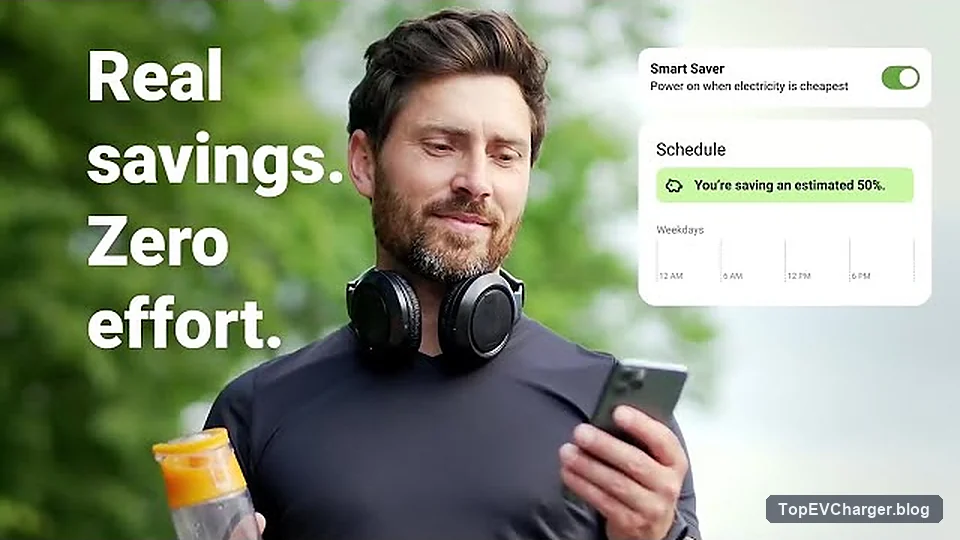
The Grizzl-E variant utilizes a rugged internal relay designed to withstand extreme thermal fluctuations. Meanwhile, Emporia integrates a highly efficient circuit board optimized for precise software-controlled power output adjustments.
The Grizzl-E Classic utilizes a rugged, dumb-charger architecture built around heavy-duty internal relays and fixed componentry. It delivers up to 48 amperes of continuous current without relying on complex digital microcontrollers.
Conversely, our Emporia Level 2 EV charger review highlights a sophisticated dynamic power board capable of adjusting output via Wi-Fi. This architecture supports precise circuit monitoring up to 48 amperes on hardwired setups.
- Continuous delivery amperage varies between models
- Thermal resilience protects internal switching relays
- Software optimization improves dynamic output scaling
Circuit Protection and Thermal Management
Maintaining stable voltage under heavy loads prevents premature thermal degradation. The Grizzl-E relies on robust physical shielding to suppress electrical noise and protect internal power components.
Emporia incorporates advanced digital voltage monitoring directly into its firmware to safeguard your vehicle onboard charger during unexpected grid fluctuations and brownout events.
- Physical shielding suppresses electromagnetic interference
- Firmware monitoring protects against grid anomalies
Build Materials and Environmental Durability
Outdoor installation exposes charging equipment to punishing UV rays, heavy rain, and sub-zero temperatures. Cast aluminum enclosures provide the Grizzl-E with unmatched physical impact resistance for exposed driveway installations.
Emporia utilizes a robust polycarbonate chassis that successfully achieves standard weatherproofing ratings. However, plastic materials demand more careful handling when wrapping thick cables in freezing weather conditions.
Grizzl-E constructs its enclosure from heavy cast aluminum, providing exceptional impact resistance and structural rigidity. This metallic housing boasts an IP67 rating, ensuring total protection against dust ingress and heavy driving rainstorms.
Emporia opts for a high-impact polycarbonate chassis that handles outdoor elements effectively while shaving off overall mounting weight. Its enclosure carries an NEMA 4 rating, certifying reliable weather-proofing against splashing water and ice formation.
- Aluminum frames withstand physical impact outdoors
- Polycarbonate bodies offer lightweight weather protection
- UV stabilization prevents premature shell fading
Cable Flexibility and Cold Weather Ergonomics
Thick copper conductors become notoriously stiff during winter months, complicating daily plug-in routines. Grizzl-E employs a super-robust rubber cable that resists cracking but requires extra muscle when frozen.
Emporia uses a slightly more pliable thermoplastic elastomer cable that remains remarkably flexible. This makes the cord much easier to coil neatly around the holster during late-night arrivals.
As detailed in our Grizzl-E Classic review, this unit features a thick thermoplastic elastomer cable engineered to withstand severe mechanical stress. However, the jacket stiffens in sub-zero temperatures, reducing cold-weather flexibility.
Emporia supplies a specialized flexible output cable designed to remain pliable even when ambient readings drop below freezing. This material compound prevents kinking and enhances daily handling ergonomics for residential garage environments.
- Rubber jackets prevent severe cracking in frost
- Elastomer compounds improve cold weather flexibility
- Holster design impacts daily storage convenience
Smart Integration and Software Ecosystems
Modern garage infrastructure increasingly relies on companion apps for scheduling and energy tracking. The Grizzl-E Classic completely bypasses Wi-Fi connectivity, offering pure dumb reliability without privacy vulnerabilities or network dropouts.
Our Emporia 48-amp smart EV charger review highlights an exceptionally rich software ecosystem featuring real-time power monitoring and solar matching. Users can easily track exact kilowatt-hour consumption from smartphones.
Operating strictly as a non-networked unit, the Grizzl-E Classic completely bypasses cloud software dependencies. Users must rely entirely on their electric vehicle onboard scheduling to manage off-peak charging times.
The Emporia ecosystem leverages a comprehensive mobile application interface for real-time energy tracking and cost calculations. Owners can easily configure scheduled charging sessions directly from their smartphones via local Wi-Fi.
- Wi-Fi exclusion eliminates local network troubleshooting
- Cloud connectivity enables comprehensive energy analytics
- Smart scheduling shifts charging to off-peak hours
Installation Demands and Electrical Safety
Proper electrical installation dictates long-term safety and operational compliance with local electrical codes. Both units support standard NEMA 14-50 plugs or direct hardwire configurations for maximum amperage output.
Professional electricians often praise the spacious internal terminal block found inside the Grizzl-E chassis. Emporia also provides clear labeling, though its compact footprint leaves slightly less room for stiff wires.
Both chargers demand a dedicated NEMA 14-50 receptacle or professional hardwired circuit rated for continuous electrical loads. Installers must torque internal terminal lugs precisely to prevent dangerous resistive heating during peak sessions.
Emporia includes integrated load management features via optional current sensors to prevent total home electrical overloads. The Grizzl-E relies solely on standard internal thermal protection breakers to mitigate excessive heat accumulation risks.
- Standardized plug options simplify garage retrofits
- Spacious wiring bays assist professional electricians
- Terminal block torque specs prevent loose connections
Maintenance Protocols and Long-Term Service Life
Minimizing downtime requires understanding potential failure points within daily charging equipment. The Grizzl-E features replaceable internal fuses and modular components that simplify out-of-warranty hardware servicing by local technicians.
Emporia relies heavily on its digital cloud ecosystem, meaning firmware updates continuously refine operational parameters. Long-term durability depends heavily on sustained server support and stable home Wi-Fi networks.
As noted in our Grizzl-E Smart charger review, maintaining this heavy-duty hardware requires periodic visual inspections of plug pins and cable strain relief. Its modular internal components facilitate straightforward repairs.
Emporia units require routine verification of Wi-Fi signal stability alongside standard firmware updates managed via the cloud. Users should inspect the polycarbonate housing seals annually to guarantee ongoing moisture defense.
- Modular components streamline physical hardware repairs
- Firmware updates deliver continuous background improvements
- Server reliance dictates long-term software feature access
Summary of Ideal Workload Assignments
Choosing the correct hardware depends entirely on your specific property layout and daily driving demands. Evaluate your environmental exposure and software preferences before committing to a final purchase.
Prioritizing rugged build quality naturally steers you toward the Grizzl-E device. Selecting advanced energy tracking and higher amperage leads directly to Emporia.
Select the Grizzl-E Classic for harsh outdoor environments requiring maximum physical impact resistance and zero software configuration. It suits property owners prioritizing set-and-forget hardware longevity above smart home connectivity.
Choose the Emporia charger if your installation involves tight garage spaces and detailed energy consumption tracking needs. It excels in residential settings demanding dynamic load management and advanced mobile scheduling flexibility.
- Match hardware build to environmental exposure
- Align software needs with your tech preferences
Frequently Asked Questions
Can the Grizzl-E Classic handle extreme winter sub-zero temperatures without failing?
Yes, its heavy-duty aluminum housing and robust internal relays are specifically engineered to withstand harsh outdoor environments without requiring any indoor shelter or garage protection.
Extreme weather durability remains a primary engineering highlight of this specific unit during brutal winter storms.
Does the Emporia EV charger require an active internet connection to function properly?
No, the unit operates perfectly as a standard plug-and-play charging station without Wi-Fi, though you will miss out on advanced scheduling and real-time energy tracking features. Local standalone operation remains fully supported right out of the box for privacy-focused users.
Which charger offers faster daily vehicle replenishment speeds in a standard garage setup?
The Emporia unit can deliver up to 48 amps when properly hardwired, whereas the standard Grizzl-E Classic typically limits output to 40 amps. Higher maximum amperage gives Emporia a slight speed advantage when installed on dedicated high-capacity circuits.
Are both of these Level 2 chargers certified for safe outdoor wet installations?
Yes, both units carry robust weather-resistance ratings that allow safe mounting on exterior garage walls or open driveways exposed to heavy rain and snow. Proper enclosure certifications ensure total electrical safety during severe regional weather events.
How difficult is the initial electrical installation for a certified electrician?
Both chargers feature standard configuration options using either a heavy-duty NEMA 14-50 plug or a direct hardwire setup for maximum electrical throughput. Standardized wiring terminals make professional installation straightforward and compliant for licensed electrical contractors.