Emt Conduit vs. Pvc Conduit Ev Charger: Which Setup Wins?
Selecting the right protective raceway for your Level 2 EV charging station demands careful evaluation of mechanical protection and environmental exposure. This technical guide contrasts steel electrical metallic tubing with rigid plastic piping.

For exposed indoor or commercial garage installations requiring heavy impact resistance, EMT conduit remains the premier industry choice. Conversely, PVC conduit excels in highly corrosive, damp outdoor zones where moisture mitigation is paramount.
Compare all top models in our Best Ev Level 2 Charger.
Side-by-Side Breakdown
| Criteria | Emt Conduit | Pvc Conduit Ev Charger | Edge |
|---|---|---|---|
| Peak Performance & Output | High thermal dissipation | Standard thermal retention | Emt Conduit |
| Duty Cycle & Consistency | Continuous 48A ready | Continuous 48A ready | Tie |
| Operating Noise & Vibration | Zero acoustic resonance | Zero acoustic resonance | Tie |
| Portability & Footprint | Rigid wall profile | Flexible sizing options | Pvc Conduit Ev Charger |
| Maintenance & Service Life | Requires rust monitoring | Maintenance-free polymer | Pvc Conduit Ev Charger |
| Power Requirements | Inherent grounding path | Requires ground wire | Emt Conduit |
| Best Ideal Use-Case | Commercial & indoor garages | Underground & wet locations | Split |
Engineering Structural Mechanics And Physical Protection Standards
Electrical Metallic Tubing utilizes galvanized steel to deliver superior crush resistance against accidental vehicle impacts in residential driveways. This metallic shield protects internal THHN conductors from sharp masonry edges and heavy compression forces.
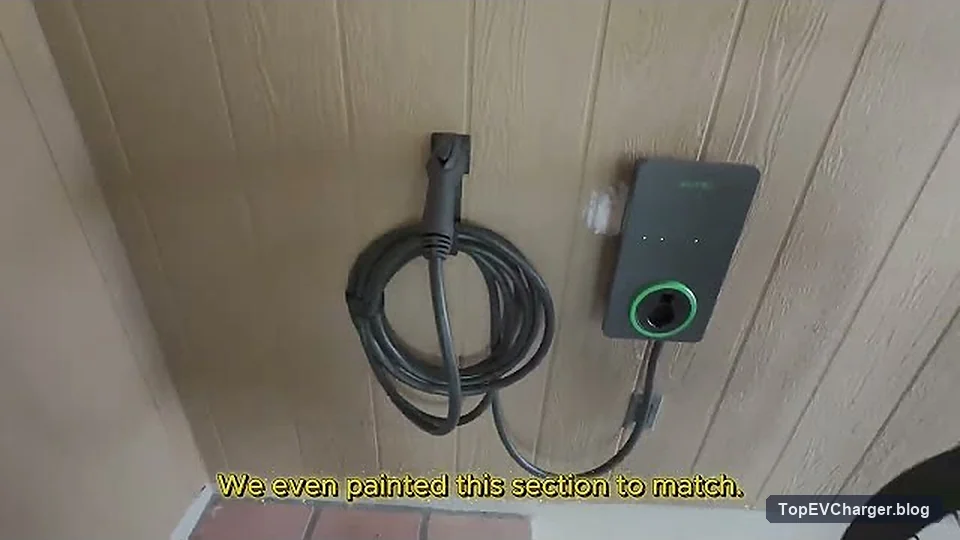
Polyvinyl chloride alternatives offer high flexibility and absolute corrosion immunity but lack the structural rigidity of steel. Mechanics must evaluate expected physical traffic when choosing between rigid metal shielding and resilient plastic raceways.
When routing home EV charger lines across exterior garage walls, electrical metallic tubing provides superior impact defense. This rugged protection safeguards circuits powering our best ev level 2 charger picks reliably.
Structural load calculations under NEC Article 358 dictate rigid steel supports every ten feet, preventing sagging spans that stress heavy copper service conductors feeding Level 2 charging stations over extended operational cycles.
- Steel walls resist heavy point loads.
- PVC absorbs minor impacts without denting.
- Grounding continuity differs significantly between systems.
Mechanical Impact Ratings in Commercial Environments
Commercial parking structures demand robust armor capable of withstanding bumper strikes and cart collisions without breaching the raceway interior. EMT construction satisfies stringent National Electrical Code requirements for physical damage protection.
Plastic conduits can shatter under heavy kinetic impacts during sub-zero winter temperatures, compromising the high voltage circuit integrity. Installers must deploy Schedule 80 PVC if plastic is mandated in high-traffic zones.
- Commercial garages require heavy armor.
- Schedule 80 withstands cold impacts better.
Corrosion Resistance And Environmental Exposure Dynamics
Environmental moisture poses a continuous threat to exterior electrical installations across diverse climate zones throughout North America. While galvanized steel resists surface oxidation indoors, continuous outdoor humidity can trigger red rust formation.
Polyvinyl chloride completely eliminates galvanic and electrochemical corrosion since the material is entirely non-conductive and chemically inert. This inherent chemical stability makes PVC systems ideal for marine environments or underground trench runs.
Galvanized steel tubing resists rust through sacrificial zinc coatings, but outdoor coastal environments demand weatherproof compression fittings and supplementary protective paint coatings to prevent premature galvanic pitting near residential marine zones.
Polyvinyl chloride conduit inherently withstands chemical fertilizers and moisture without degradation, yet UV exposure embrittles unprotected runs, requiring schedule 80 specifications for high-sun vertical drops supplying garage charging equipment.
- Humidity accelerates exterior steel oxidation rates.
- Plastic raceways never rust or degrade chemically.
- Sealants protect steel fittings from moisture ingress.
Subterranean Installation and Moisture Mitigation
Direct burial applications require materials that withstand soil acidity and constant moisture contact without structural breakdown. PVC conduit excels underground because it does not react with corrosive soil minerals or groundwater.
Deploying steel underground mandates specialized waterproof coatings to prevent galvanic degradation from earth chemicals. Electricians installing a reliable jeep 4xe charger setup strongly favor non-metallic piping below grade.
- Soil minerals corrode unprotected steel.
- Direct burial favors non-metallic options.
Thermal Expansion Characteristics And Electrical Loading
High amperage Level 2 charging generates sustained thermal output within copper conductors during multi-hour overnight power delivery sessions. Steel raceways effectively dissipate internal heat buildup while maintaining structural shape under elevated ambient temperatures.
Plastic conduits feature high coefficients of thermal expansion, meaning the pipes lengthen significantly during hot summer days. Installers must utilize expansion joints on long PVC runs to prevent buckling or joint separation.
Steel raceways exhibit minimal dimensional shifts under temperature swings, whereas thermal expansion coefficients for polyvinyl chloride pipes demand specialized expansion joints across long outdoor runs powering residential EV chargers.
Continuous fifty-amp current draws generate internal heat that accelerates conductor insulation aging if ambient temperatures exceed ratings, making conduit fill calculations vital for safe heat dissipation inside enclosed raceways.
- Copper wire heat transfers easily through steel.
- PVC expands markedly under direct solar radiation.
- Proper sizing prevents thermal throttling of conductors.
Managing Heat Dissipation in Enclosed Runs
Continuous 48-amp charging draws heavy current that warms wire insulation and surrounding conduit walls consistently. Thermal conductivity in metallic tubes helps cool the enclosed THHN cables more efficiently than plastic.
Plastic acts as a thermal insulator, trapping heat inside the raceway and potentially increasing conductor operating temperatures. Engineers calculate ampacity derating factors carefully when routing multiple circuits through PVC.
- Metallic tubes cool internal wires faster.
- Plastic traps heat inside conduit walls.
Grounding Path Integrity And Safety Compliance Standards
A major engineering advantage of metallic raceways is their dual role as an equipment grounding conductor system. EMT conduit provides a reliable low-impedance fault current path back to the main electrical panel.
Plastic systems cannot function as a ground path, forcing installers to pull a dedicated copper ground wire through every run. This requirement increases total copper costs and installation labor time for PVC setups.
Metallic electrical tubing frequently serves as an equipment grounding conductor when using proper compression fittings, satisfying strict NEC grounding rules without needing a separate green wire pulled through the raceway.
Nonmetallic systems mandate an independent copper equipment grounding conductor sized per table twenty-five hundred twelve, ensuring fault current safety for high-voltage home charging setups lacking inherent metallic continuity.
- Steel acts as an inherent equipment ground.
- Plastic requires a separate green grounding wire.
- NEC codes strictly govern grounding continuity rules.
Code Compliance and NEC Article Requirements
The National Electrical Code specifies secure fastening methods and proper depth parameters for exterior raceways. Reviewing trenching depth requirements for conduit ensures your underground feeder lines meet safety standards.
Navigating local amendments requires thorough understanding of whether your jurisdiction permits flexible plastic outdoors or demands rigid metal. Code adherence prevents costly inspection failures and safety hazards during final sign-off.
- Support intervals dictate mounting security.
- Local amendments override standard practices.
Installation Ergonomics, Labor Intensity, and Tooling
Bending metallic tubing requires professional hand benders, hydraulic formers, and precise angle calculations to achieve clean installation runs. Skilled labor is essential for executing accurate offsets and saddles with steel pipes.
Plastic piping offers rapid fabrication using simple hand saws, solvent cement, and standard fittings without specialized bending machinery. Contractors appreciate how solvent welding speeds up complex routing through residential basements and garages.
Bending rigid metal requires professional hand benders or hydraulic benders to achieve clean ninety-degree offsets, increasing physical labor intensity during complex garage installations for electric vehicle supply equipment.
Plastic conduit cuts quickly with simple hand saws and solvent welds effortlessly, offering superior installation ergonomics for DIY homeowners tackling straightforward garage wall runs for standard level two chargers.
- Hand benders shape metallic tubing precisely.
- Solvent cement locks plastic joints permanently.
- Lightweight PVC simplifies overhead ceiling runs.
Working with Compression Fittings Versus Solvent Welds
Assembling steel runs relies on compression or set-screw fittings that maintain secure mechanical attachment without chemical curing delays. Set-screw connectors accelerate indoor garage setups where moisture exposure remains minimal.
PVC installation demands careful primer and solvent application, requiring mandatory cure times before pulling heavy copper cables. Joint integrity depends entirely on proper chemical bonding during the solvent welding process.
- Compression fittings speed up steel builds.
- Solvent welds require curing time.
Long-Term Maintenance Protocols And Durability Analysis
Metallic raceways demand periodic visual inspections to catch early signs of corrosion near foundation penetrations or damp corners. Applying anti-corrosion paint extends the service life of exterior steel conduit installations significantly.
Plastic systems require virtually zero maintenance once installed, provided expansion joints were properly engineered during initial construction. Chemical inertness ensures PVC survives decades of exposure without structural fatigue or degradation.
Routine inspections must check steel conduit joints for moisture infiltration or surface rust, ensuring protective coatings remain intact across decades of seasonal weather changes affecting outdoor electrical enclosures.
Plastic runs need periodic checks for physical sagging between supports and joint separation caused by thermal shifting, preserving the structural integrity required for safe charging infrastructure upkeep.
- Steel needs occasional rust touch-up coatings.
- PVC remains maintenance-free throughout its life.
- Fasteners require checking for thermal loosening.
Weathering UV Radiation and Solar Degradation
Unprotected plastic exposed to direct sunlight can become brittle and crack over years of intense ultraviolet radiation exposure. Using UV-rated PVC or painting the exterior shields the polymer molecular structure effectively.
Galvanized steel features natural UV immunity, making it completely impervious to solar degradation when mounted along sun-drenched exterior walls. Solar resilience makes steel a reliable choice for exposed southern exposures.
- Sunlight degrades standard white PVC.
- Galvanized steel ignores ultraviolet rays.
Cost Analysis, Material Availability, and Project Value
While initial steel material expenses run slightly higher, the savings on eliminated ground wires often balance total project budgets. EMT pricing reflects durable manufacturing standards designed for decades of heavy structural performance.
Plastic materials generally feature lower upfront purchase costs, but labor expenses can rise when pulling separate ground conductors. Value optimization depends heavily on evaluating total installed labor alongside raw material expenditures.
Upfront material expenses favor plastic alternatives for extensive residential runs, yet total project budgeting must account for specialized solvent cements and required ground wire additions when calculating overall installation value.
Galvanized steel tubing involves higher initial equipment and fastener costs, but delivers unmatched longevity and robust physical defense, maximizing asset security for any best 240v ev charger installation project.
- Steel saves money on extra ground wire.
- PVC offers lower initial raw material costs.
- Labor time dictates overall project expense.
Making Your Final Raceway Selection Decision
Assess your specific mounting environment, weather exposure, and local electrical codes before purchasing installation supplies for your charger. Informed planning guarantees a safe, code-compliant charging setup that lasts for decades.
Balancing mechanical armor needs with moisture resistance ensures your EV investment remains protected against physical damage and electrical faults. System reliability starts with choosing the correct conduit for your garage.
- Inspect site conditions thoroughly.
- Match conduit type to environmental demands.
Frequently Asked Questions
Can I use EMT conduit outdoors for my Level 2 EV charger installation?
Yes, you can use EMT outdoors if you use proper weather-resistant fittings and sealants. However, continuous moisture can eventually cause exterior rust in wet climates.
Does PVC conduit require a separate ground wire for EV charger setups?
Yes, plastic raceways cannot serve as an equipment grounding conductor under the NEC. Installers must always pull a dedicated copper ground wire inside all PVC runs.
Which conduit material offers better physical protection against vehicle impacts?
Steel EMT provides vastly superior crush resistance and impact protection compared to plastic. Metallic armor prevents accidental vehicle damage in busy residential and commercial driveways.
Is PVC conduit better for underground EV charger supply line trenching?
Yes, PVC completely resists soil corrosion and moisture degradation in subterranean runs. Underground durability makes non-metallic piping the preferred choice for below-grade installations.
How do temperature changes affect rigid plastic conduit installations?
Temperature swings cause PVC to expand and contract significantly along long runs. Installers must deploy expansion joints to prevent buckling and structural joint separation.